
Professional football can become one of the cruelest disciplines on Earth. It teaches us that only the one who lifts the golden trophy at the end of the tournament has the right to glory. However, the human heart does not understand statistics or medals. The human heart understands dedication, resilience and self-respect.
The 2026 World Cup will be remembered for many reasons, but above all, for three men who came from modest nations, without the weight of the great historical favorites, and decided to leave their entire souls on the pitch.
They did not play in the grand final, but they achieved something much more difficult: conquering the hearts of the entire planet.
Here we tell you the moving stories of the three uncrowned champions who reminded us why we love this sport.
1. Vozinha: The unemployed 40-year-old guardian who stopped giants and became everyone’s hero.
At 40 years old, most footballers are already enjoying retirement in the comfort of their homes. But Josimar Dias, known worldwide as Vozinha, had other plans. The Cape Verde goalkeeper arrived at the World Cup representing a small archipelago of just 500,000 inhabitants. He did so, moreover, in a situation of total vulnerability: his contract with club Chaves expired on June 30, in the middle of the tournament, leaving him technically unemployed.
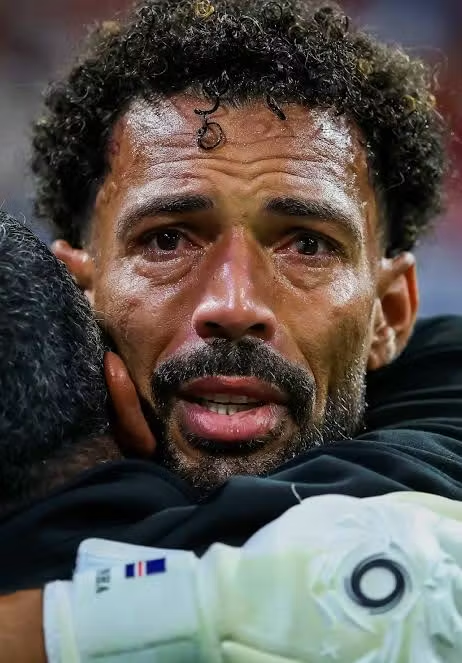
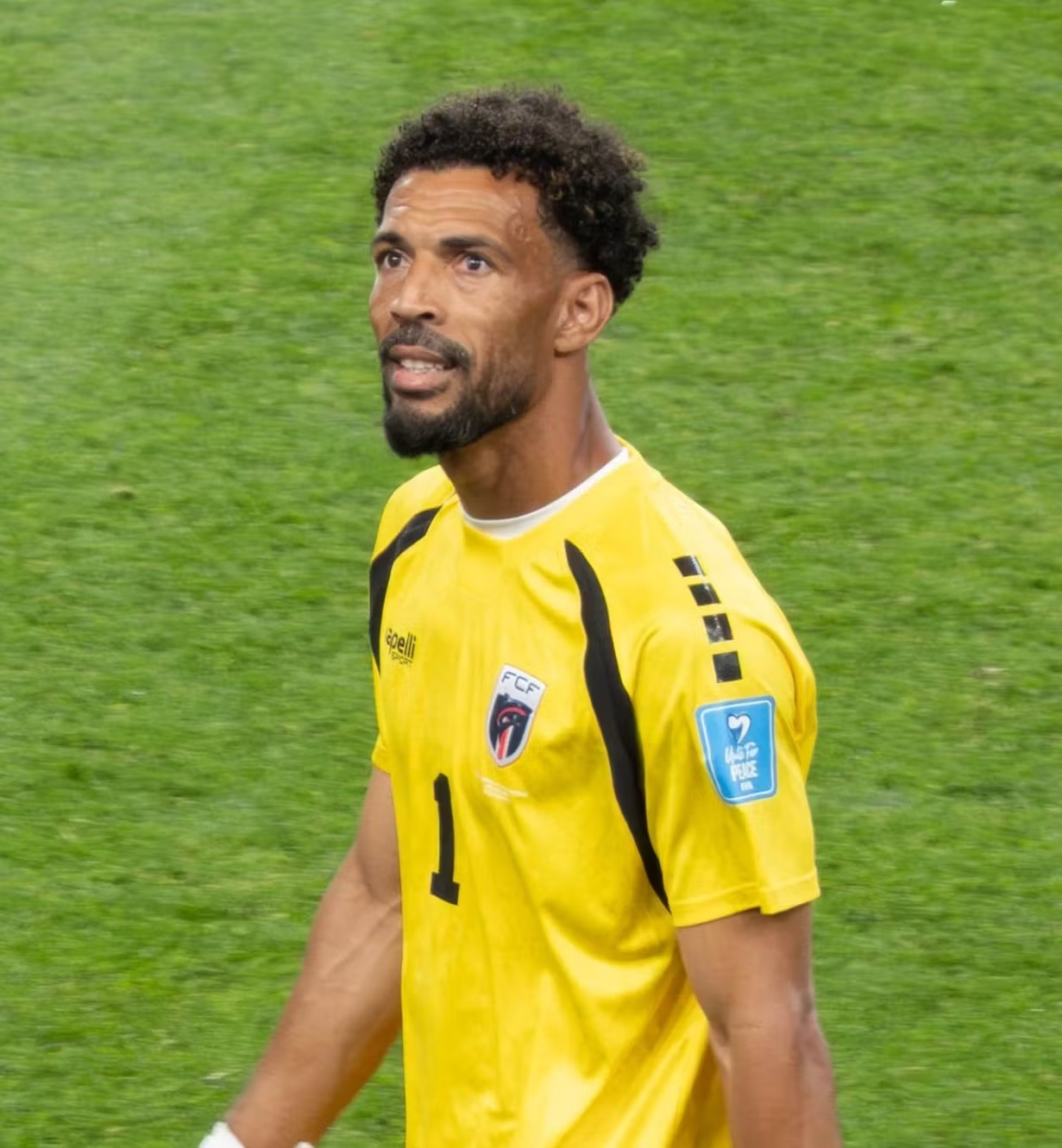
His climax came in the round of 16 against Lionel Messi’s Argentina. In a nail-biting match that went to extra time, Vozinha made 7 saves from another planet, forcing the world champions to suffer until the final second to beat Cape Verde 3-2.
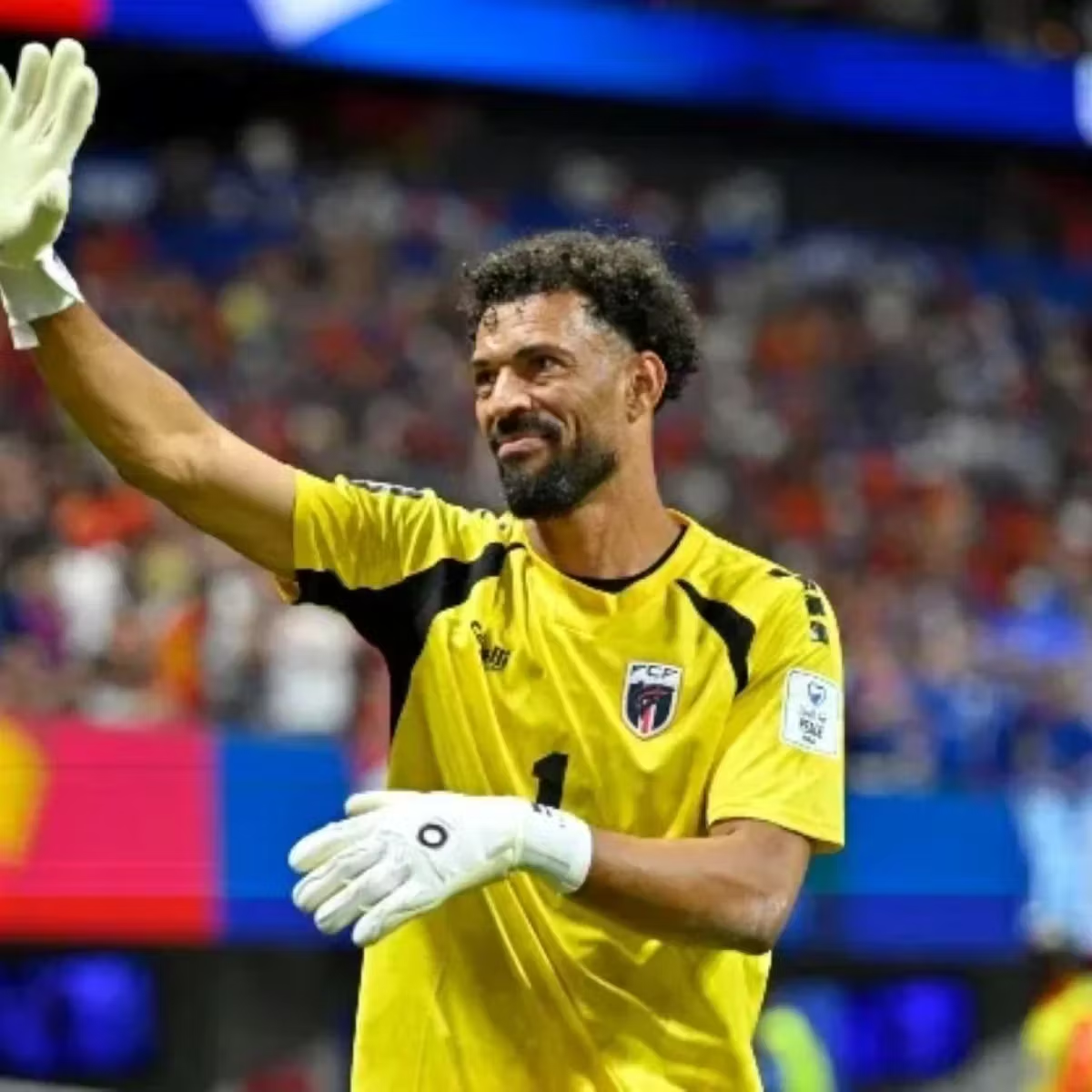
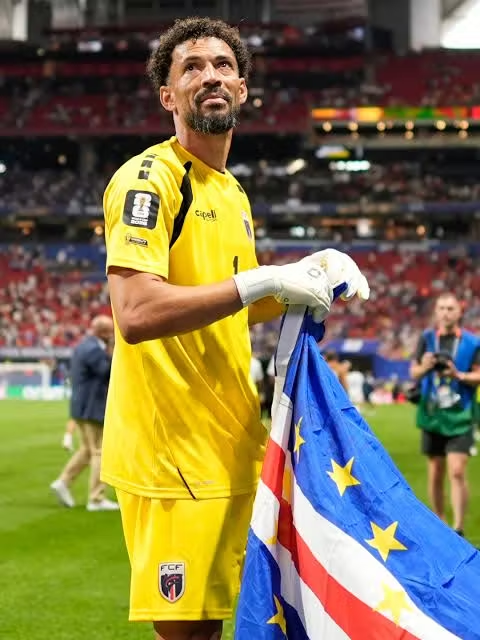
Vozinha did not advance any further in the physical tournament, but in the tournament of the soul he swept all before him: he gained the incredible figure of 28 million followers on Instagram during the World Cup, surpassing the growth of any other star. The whole world decided to adopt him as their favorite goalkeeper. Today, he is an eternal hero who showed us that dreams have no expiration date.
2. Erling Haaland: The ice colossus who broke down in tears out of pure love for his homeland.
Erling Haaland has always been labeled a “machine”, a cold cyborg designed solely to score goals in elite European football. But at this World Cup, the Norwegian giant laid himself emotionally bare before the eyes of the world and showed us his most tender and vulnerable side.
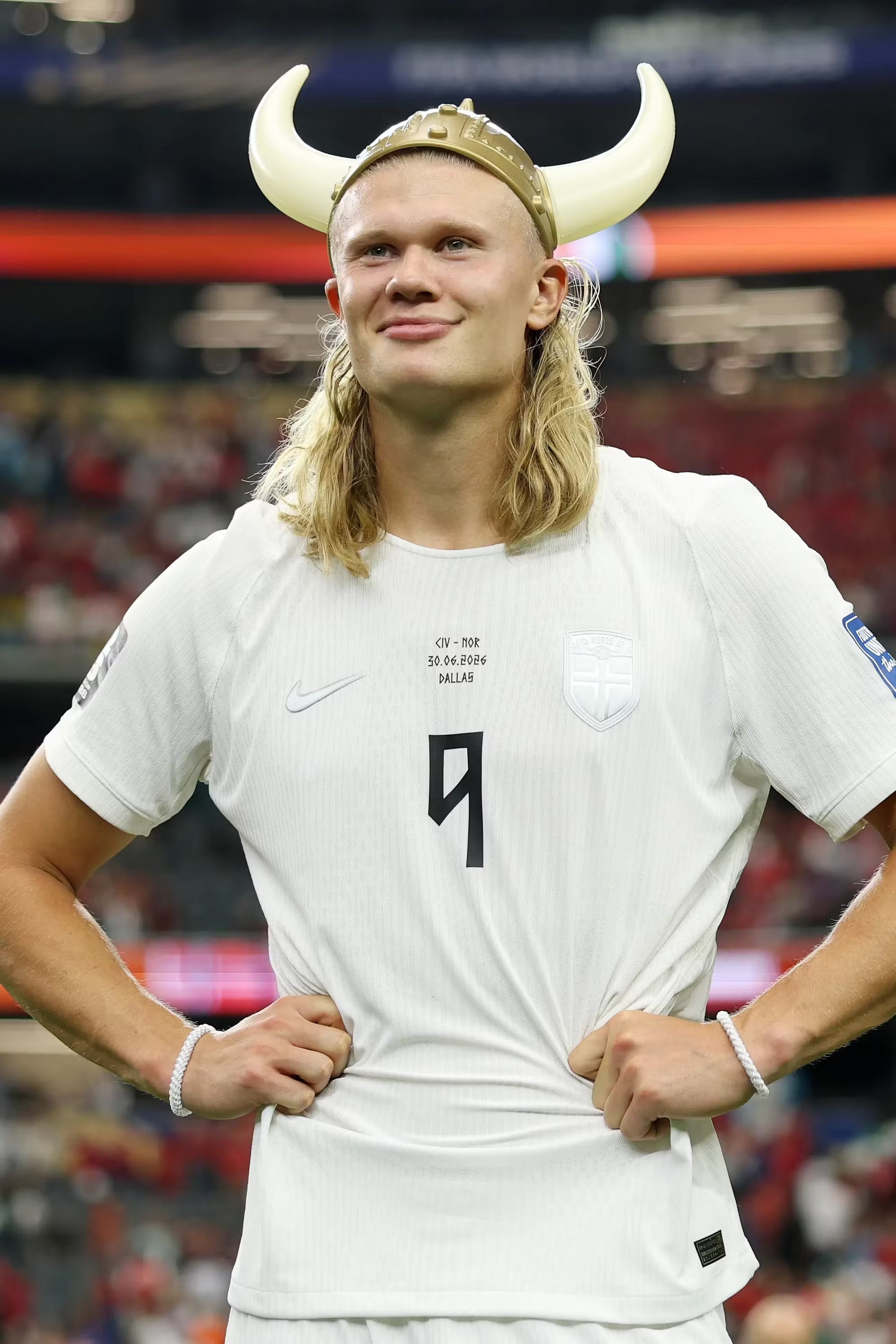

Norway was returning to a World Cup after decades of absence, and Haaland did not play for money or fame; he played with the desperation of a child who wants to make his mother proud. Seeing him celebrate every goal with a flushed face, shouting from the soul and hugging his teammates as if his life depended on it, was an injection of pure passion.
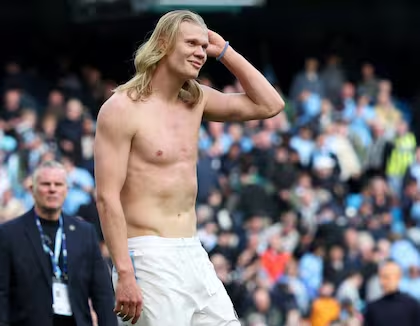
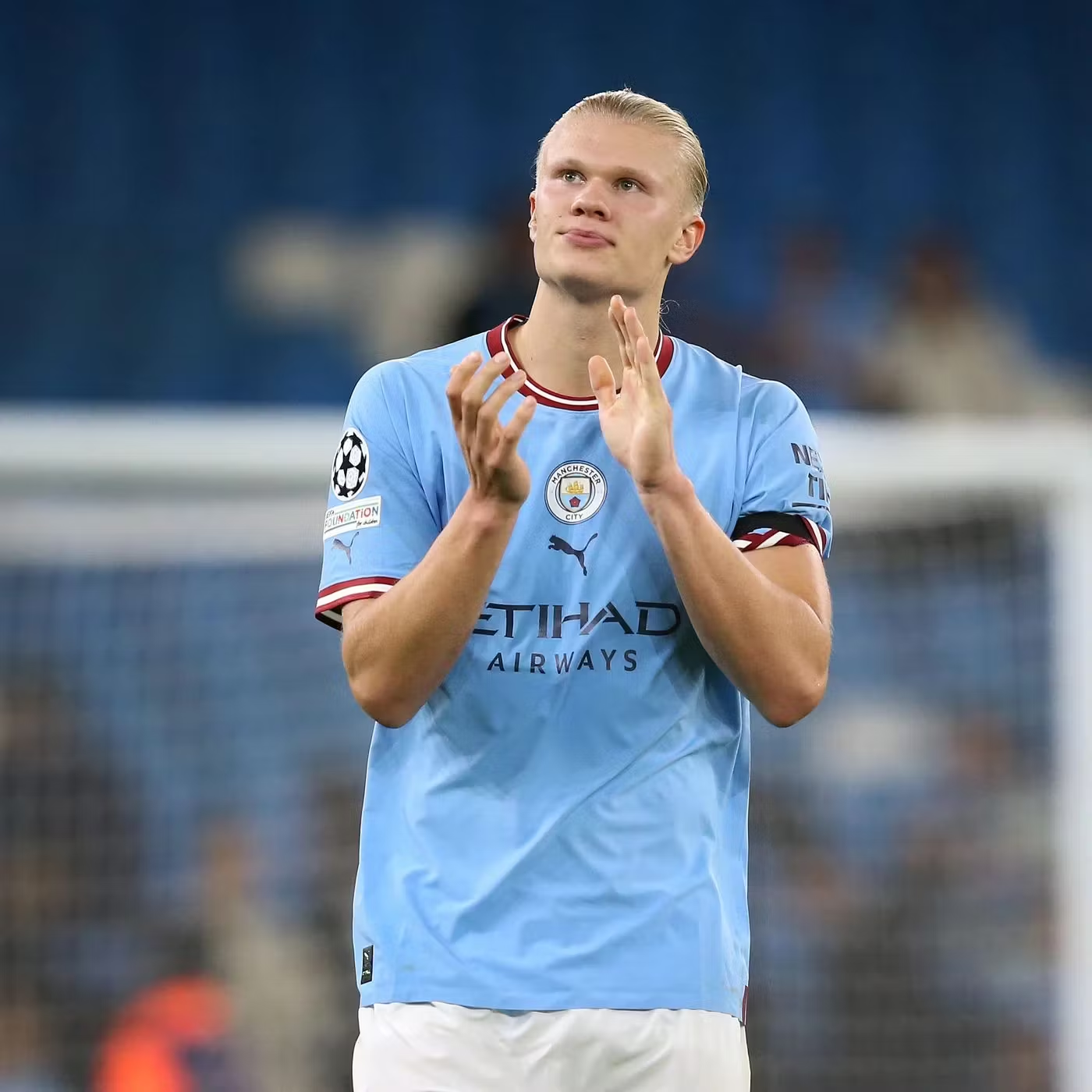
His crowning moment came in the round of 16, when he scored a historic brace to eliminate Brazil’s national team itself 2-1. The colossus fell to his knees, crying not from sadness, but from absolute national pride.
3. Mohamed Salah: The King’s tears that healed the pride of an entire continent.
For the people of Egypt, Mohamed Salah is much more than a footballer. He is a provider of hope, a man who builds hospitals and schools and funds the dreams of thousands of people in need in his homeland. At 34 years old, Salah knew that this World Cup was his last great opportunity to take his beloved national team to the very top.
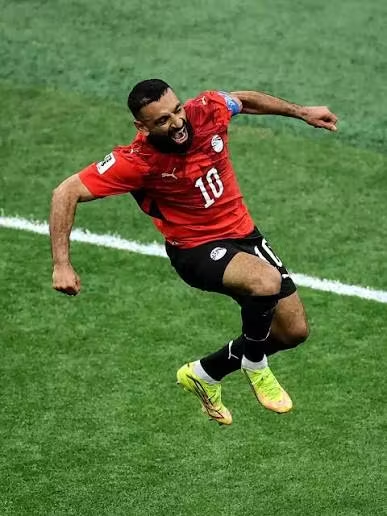
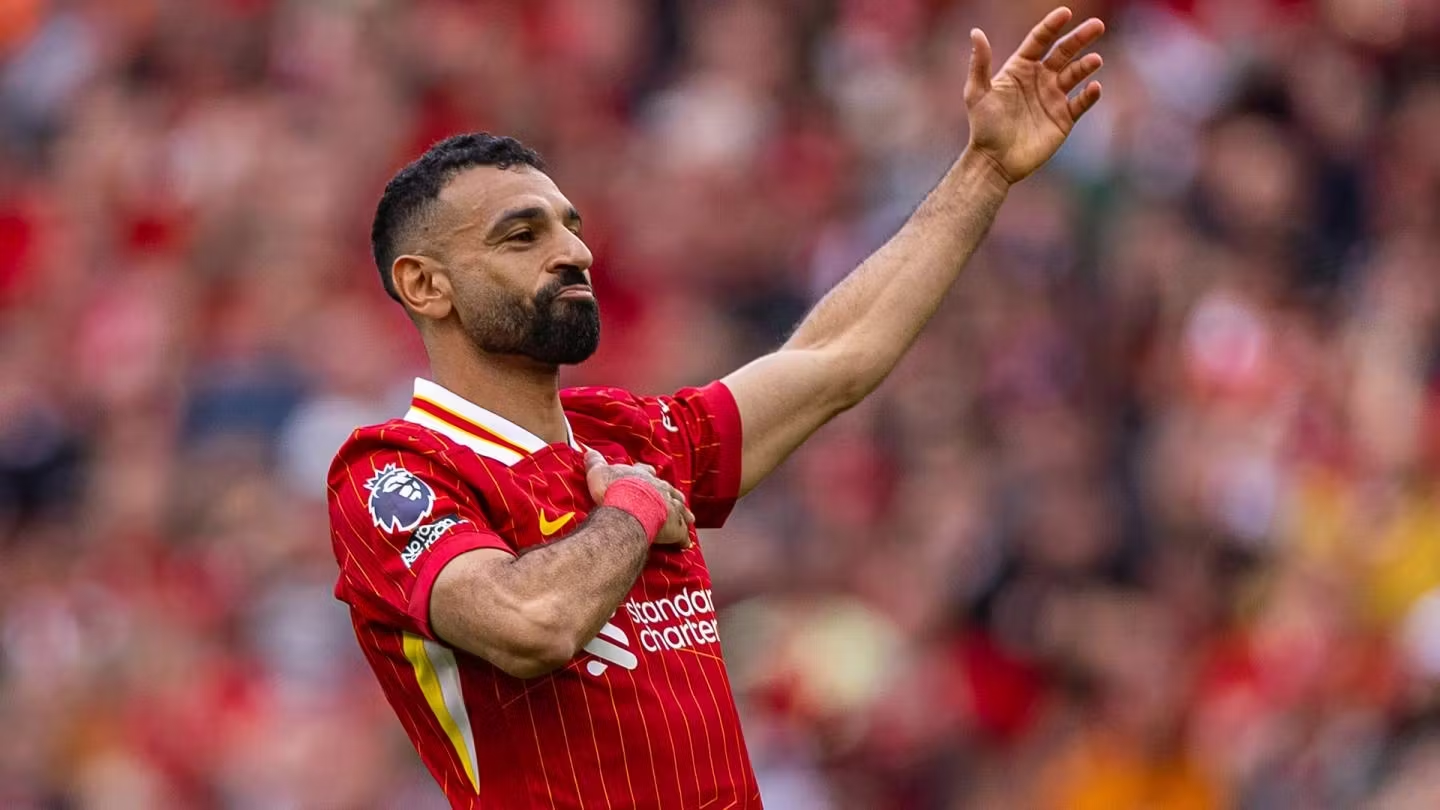
With unshakable maturity and leadership, he guided Egypt to the round of 16. There, in a match that brought Africa and the Arab world to a standstill, they faced Argentina. The encounter was a battle of titans that ended in a painful 3-2 defeat for the Pharaohs.
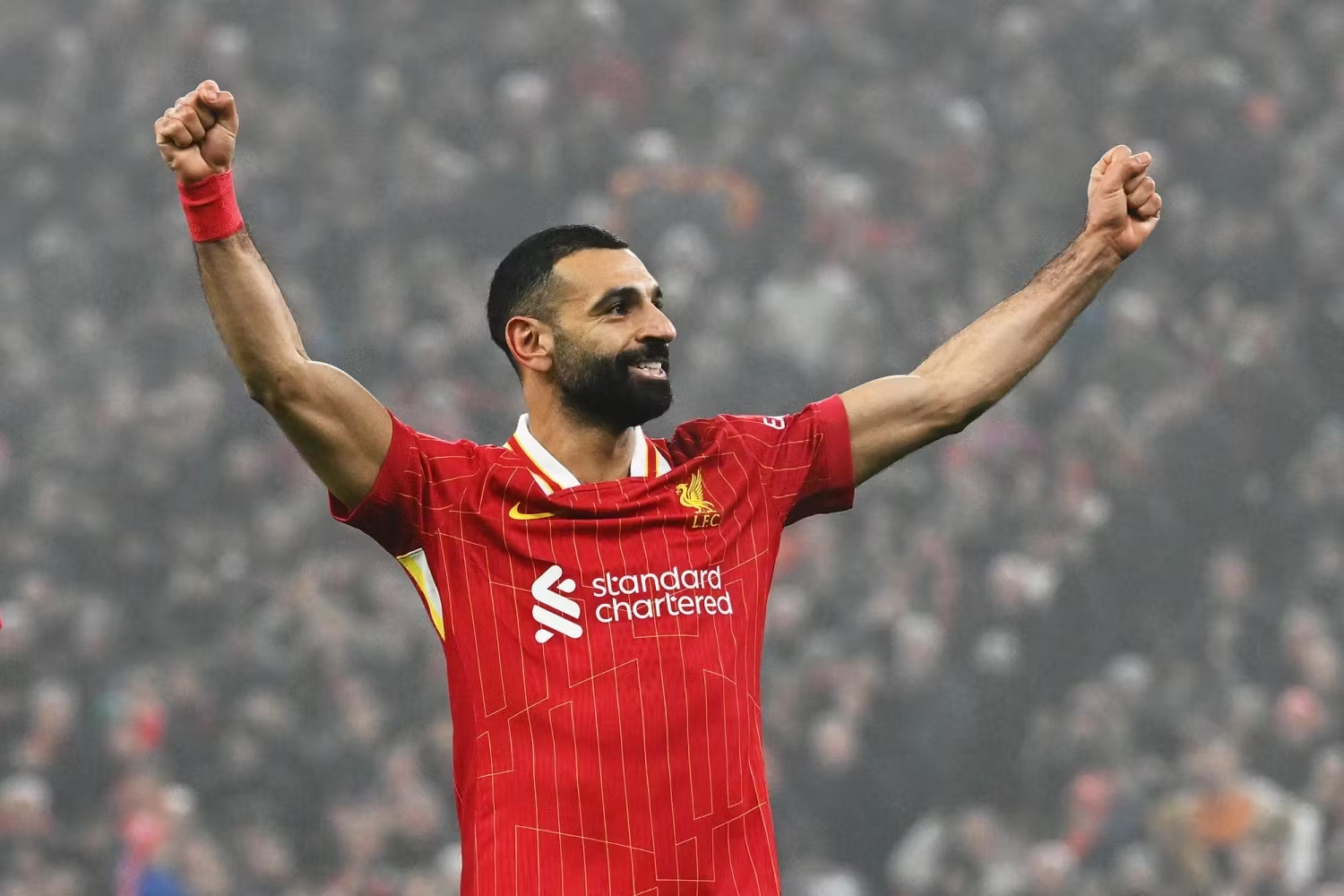
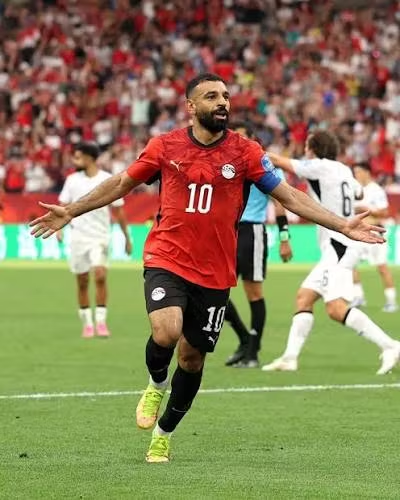
When the final whistle blew, the “King of Egypt” could not contain himself. He broke down crying inconsolably on the pitch, an image that went around the world and broke the hearts of millions. In his subsequent remarks, with brutal honesty, Salah confessed in a choked voice: “I have cried a lot this year”.
True triumph is eternal
When the stadium lights go out, the grass grows back and the statistics from this tournament begin to gather dust in the history books, people will not remember exactly the minutes played or the kilometers covered.
What humanity will remember forever is how it felt. We will remember the unemployed 40-year-old goalkeeper who flew like a bird to defend his small island, the Nordic giant who cried out of love for his shirt, and the humble king who gave his last tear for his people.
They did not win the World Cup. They did not need it. They took home the hardest trophy to obtain and the only one that lasts forever: our whole heart.