
In Aliança do Tocantins, Brazil, a photographer pointed his camera toward the sky and captured something that looked edited: an almost entirely yellow-and-white arara-canindé, with no trace of the intense blue that defines this species.
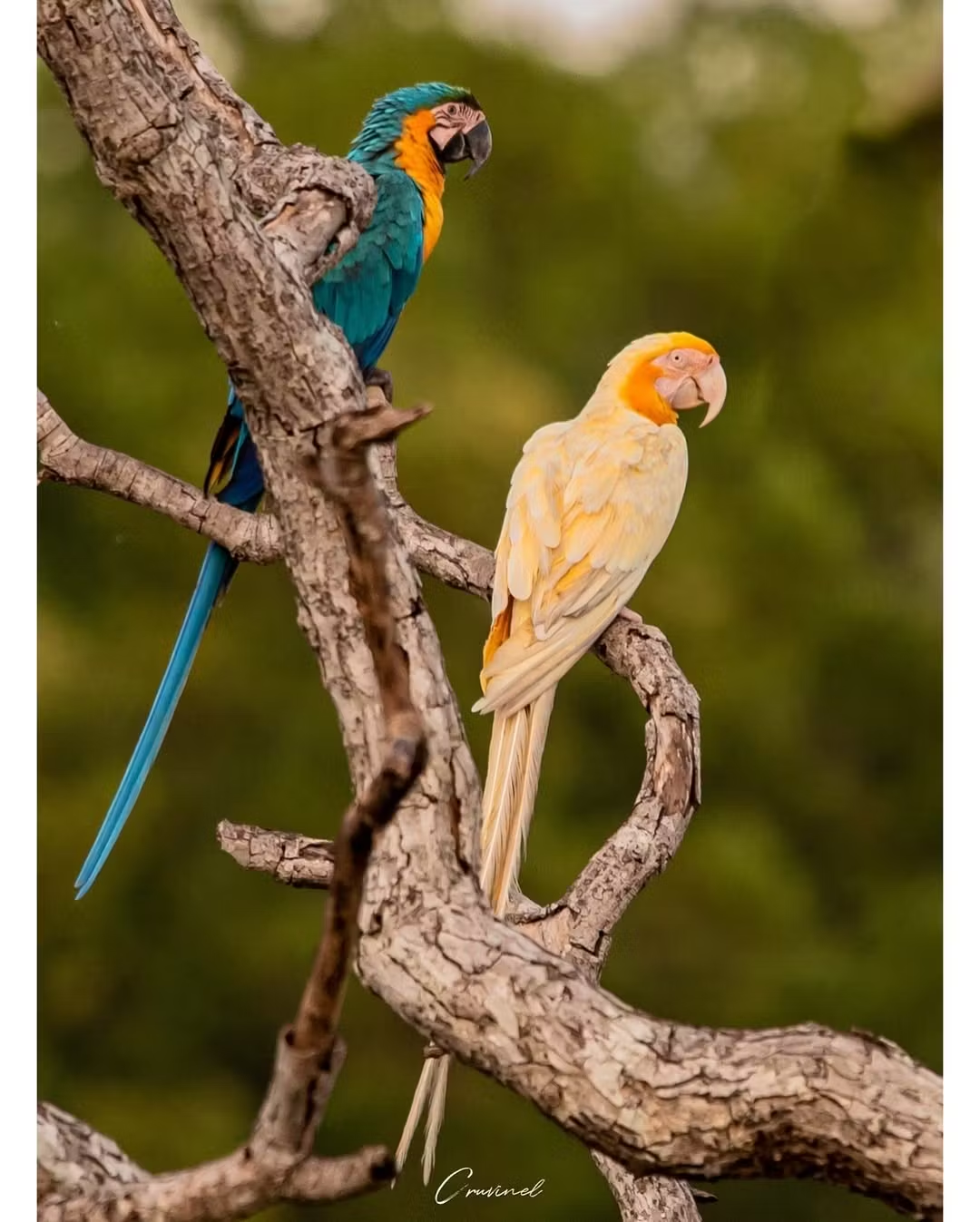
The explanation is not magic or Photoshop, but genetics. It is leucism or lutinism, a condition that reduces the pigmentation of the feathers and produces that pale and striking appearance. The curious detail is that, while to us it seems like a spectacle, for the bird it represents a real disadvantage: without its natural color, camouflaging itself among the foliage becomes much more difficult, and that exposes it more to predators.
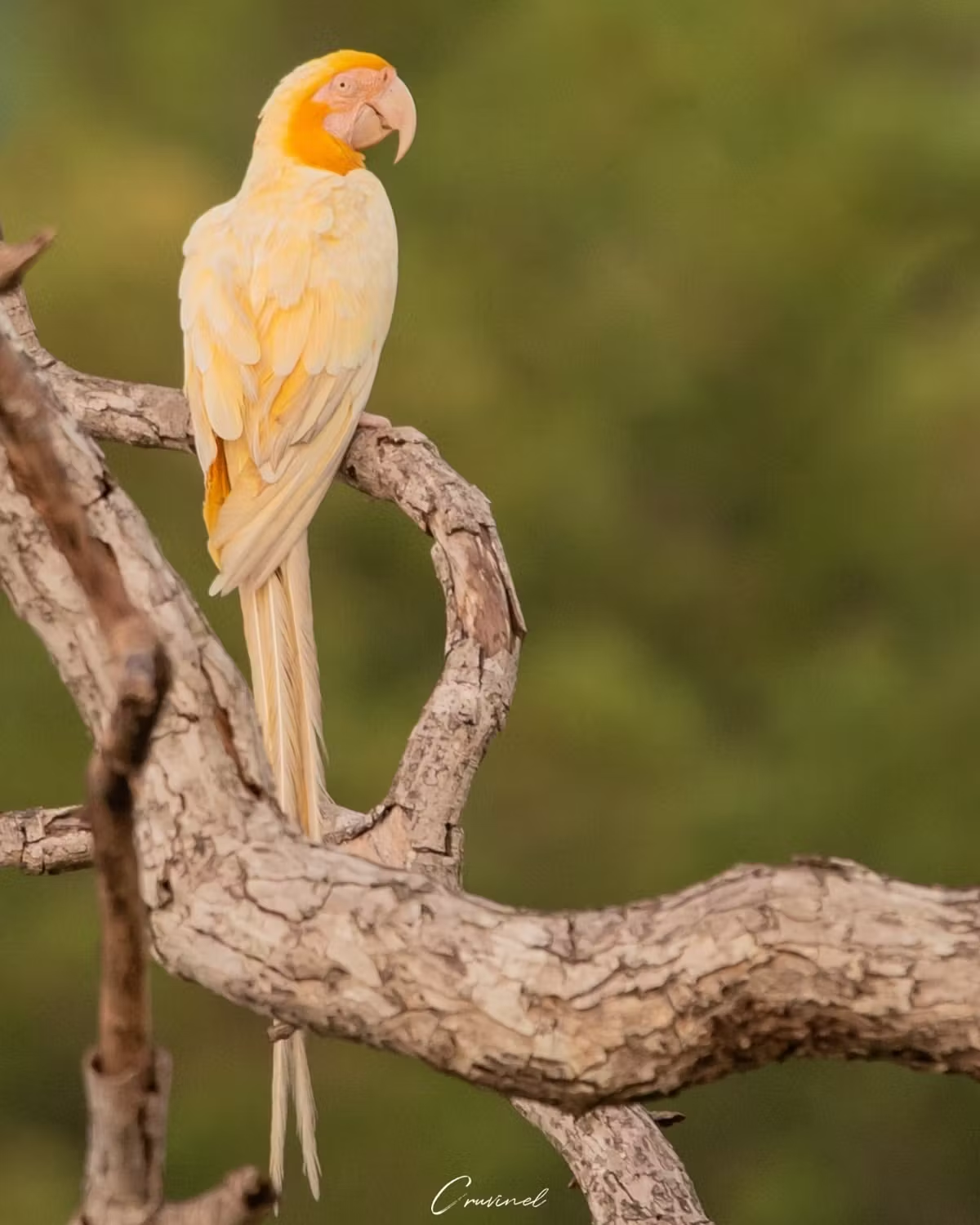
Wildlife lovers who saw the image agreed on one thing: finding this phenomenon in such a large bird is extremely unusual. You too can try to imagine it flying among the treetops, standing out like a golden flash amid the green.