
Doyle Lee Hamm had been on death row for decades when, in February 2018, the time came to carry out his sentence. However, the procedure that was supposed to end his life was suspended after the medical team failed to find a suitable vein for intravenous access. For approximately two and a half hours, attempts continued without success.
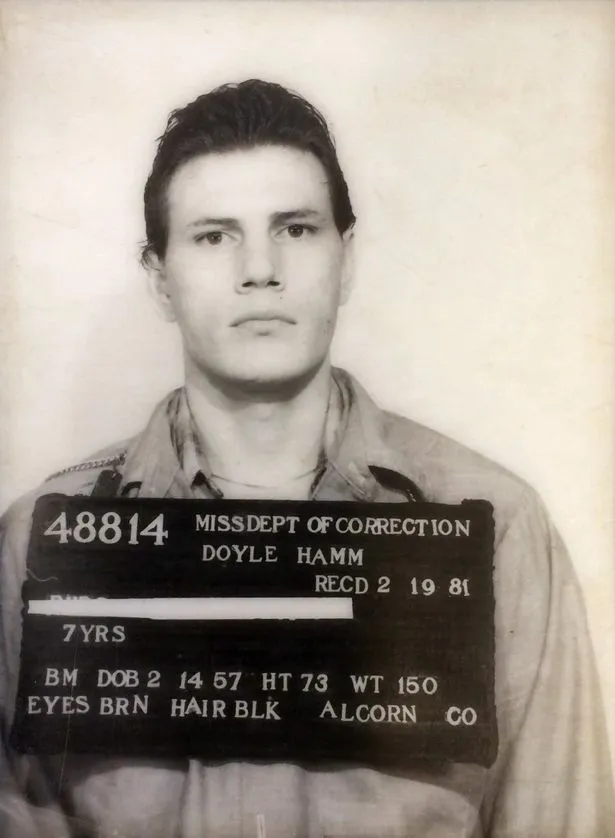
Hamm had lymphoma and his veins were severely compromised. His lawyer had warned before the execution that his medical condition could make it difficult to administer the lethal injection and expose him to unnecessary suffering. Despite those warnings, Alabama authorities began the procedure on February 22, 2018.
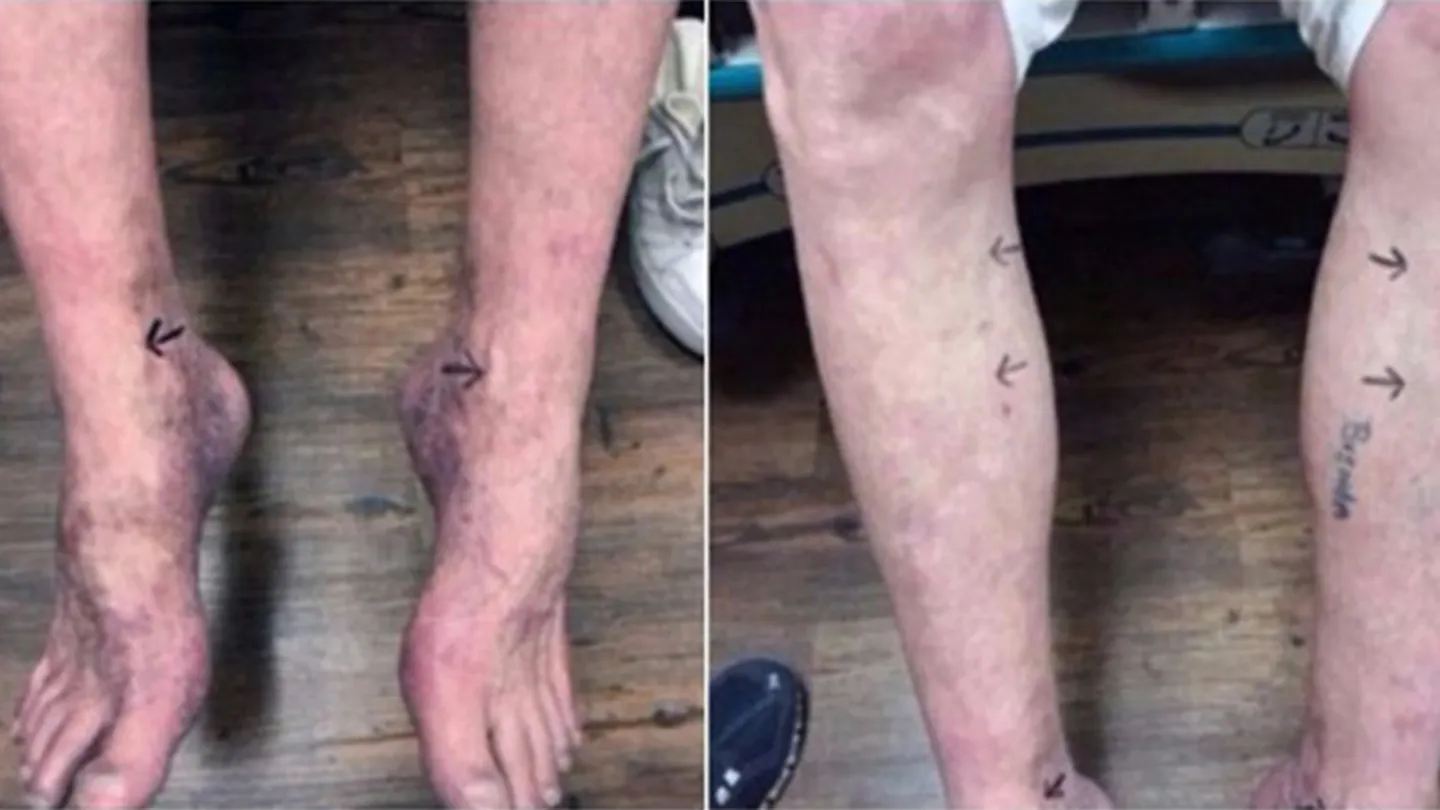
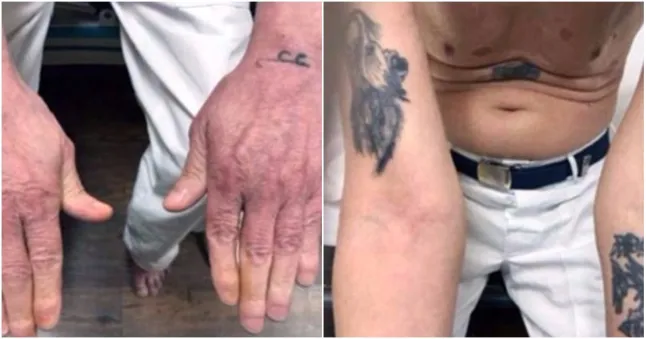
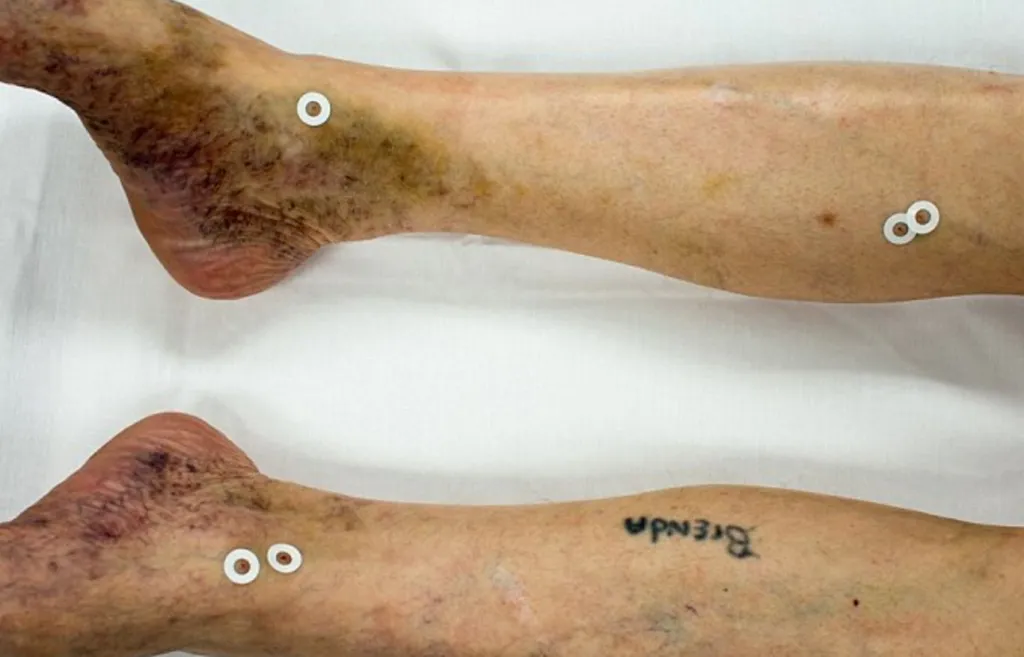
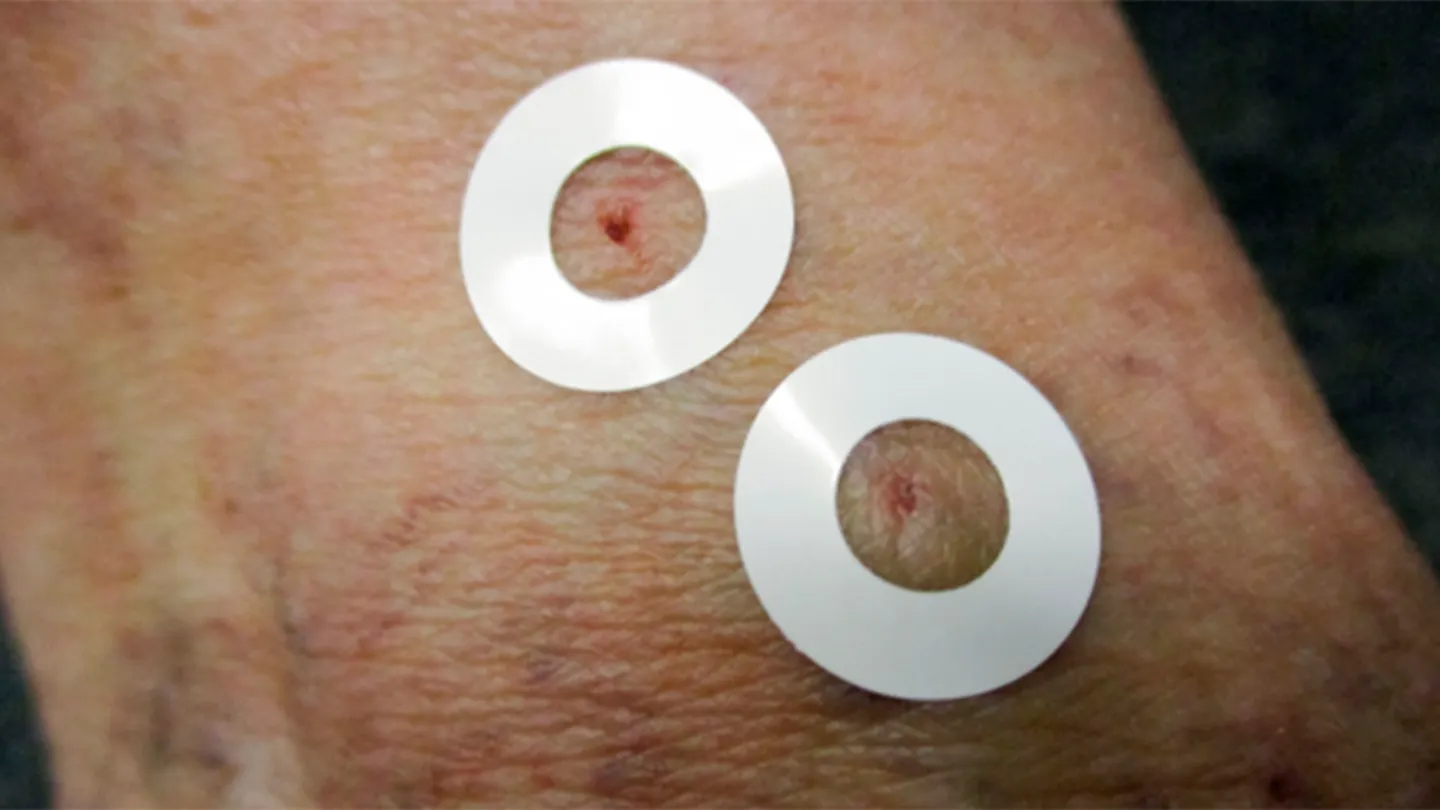
According to court records, attempts to establish intravenous access included needle sticks in various parts of his legs and the groin area. The execution was ultimately called off as midnight approached, the time when the court order authorizing it was due to expire.
The case sparked a legal dispute over the limits of capital punishment and whether authorities could try to execute a person again after a failed procedure. The defense argued that what had happened was extremely painful and that subjecting him to a second attempt would constitute cruel and unusual punishment. Alabama ultimately agreed not to seek another execution date.
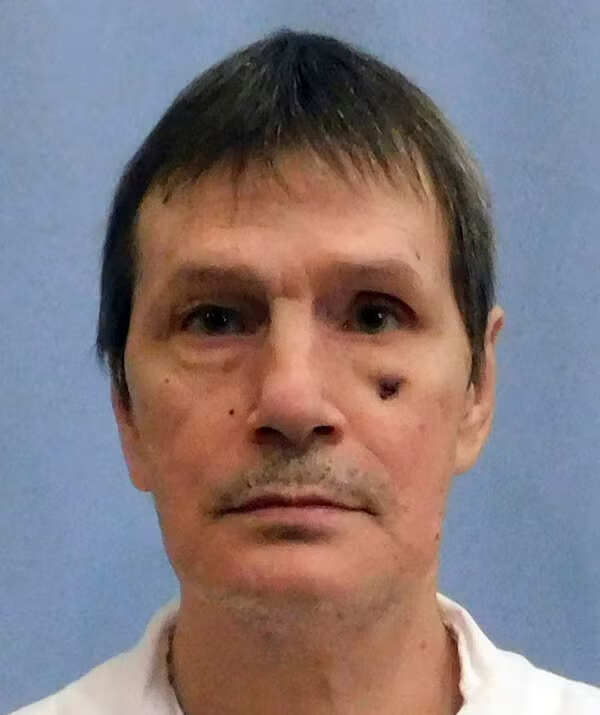
But Hamm was not released. He remained in prison until November 2021, when he died at age 64 from complications of the cancer he had. He was never again subjected to an execution.
His conviction dated back to 1987, when he was sentenced to death for the murder of Patrick Cunningham, a night clerk at the Anderson Motel in Cullman, Alabama. Cunningham was shot during a robbery in which money was also stolen. The case sent Hamm to death row, where he remained for decades.
His story ended with a paradox that is hard to ignore: the state had attempted to carry out the sentence but could not complete the procedure. Years later, Hamm died in prison from the disease he already had when authorities tried to kill him.