
Researchers at Memorial University, in Canada, published a study on May 27, 2026 that seems straight out of a science fiction movie.
They separated fragments from an animal’s body and left them in natural seawater, with no added nutrients. Instead of dying, the tissues closed their wounds, continued growing, and remained metabolically active for more than three years.
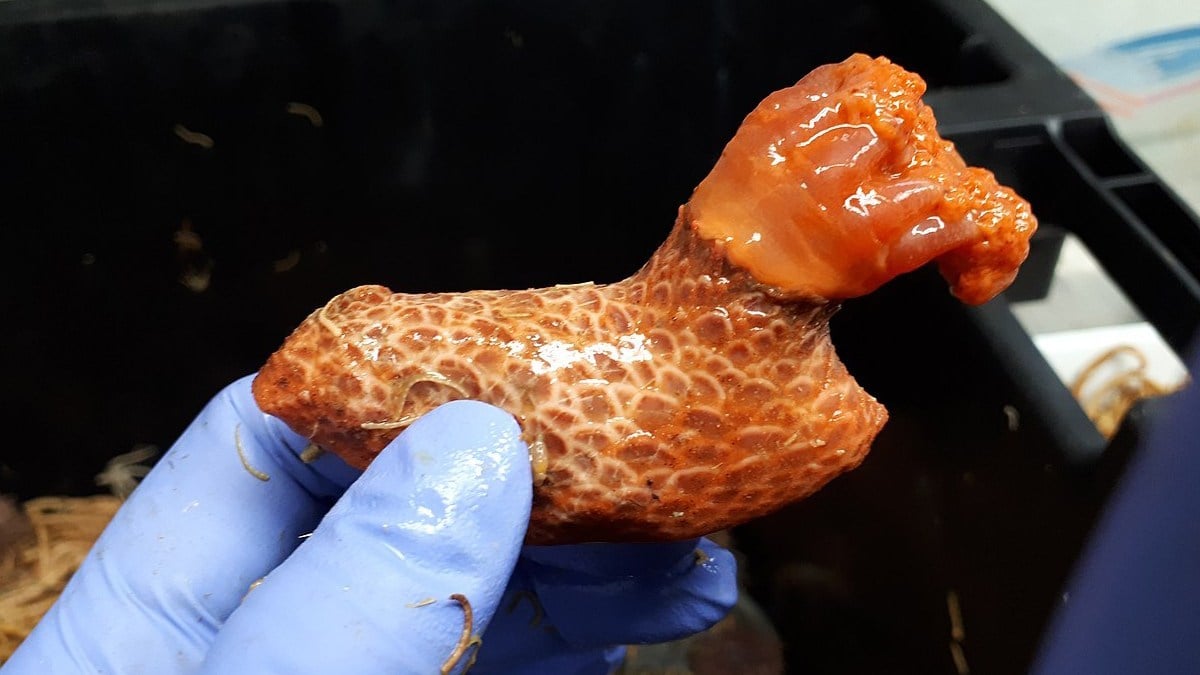
The strangest part: they had no mouth or stomach, yet they could absorb amino acids directly from the water to obtain nutrients. They also retained immune activity and the ability to repair damage.
During the first week, the fragments even shrank by around 23%, but then regained their size and, after one year, were approximately 12% larger than when they were separated.
The animal capable of doing this? The sea cucumber Psolus fabricii, a cold-water species from the North Atlantic and Arctic.
Scientists describe the phenomenon as a form of “natural tissue immortality”, although that does not mean they have demonstrated that these tissues can live forever.