
At first glance, the image seems to show the branches of a fern or even a strange natural formation seen under a microscope. However, what appears in the photograph has a much more surprising origin.
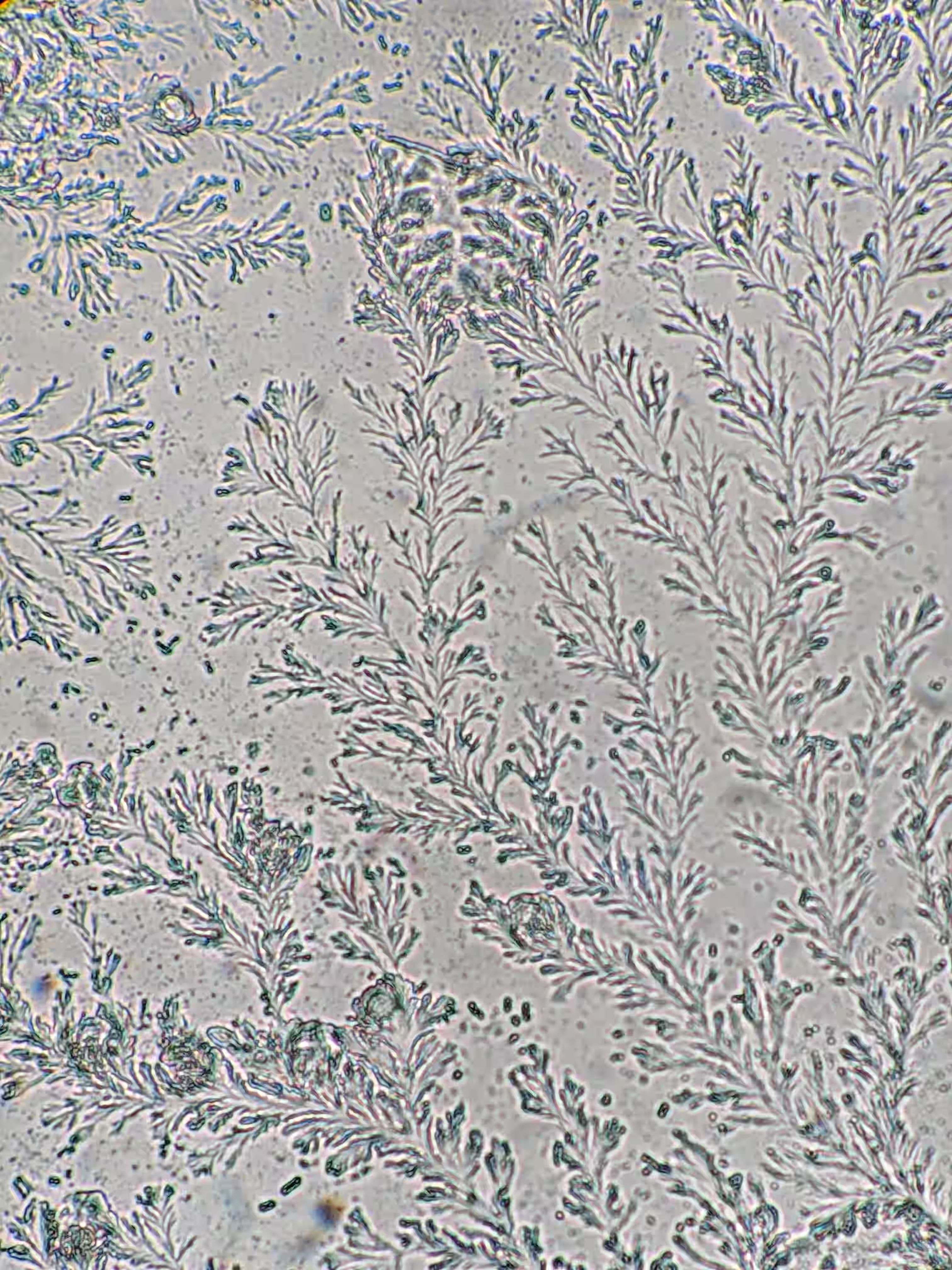
It is a sample of female cervical mucus observed at the microscopic level. When this fluid, rich in salts and electrolytes, dries on a glass slide, it can form delicate crystalline patterns that look like leaves or branches. The phenomenon is known in medicine as “ferning” or the fern pattern.
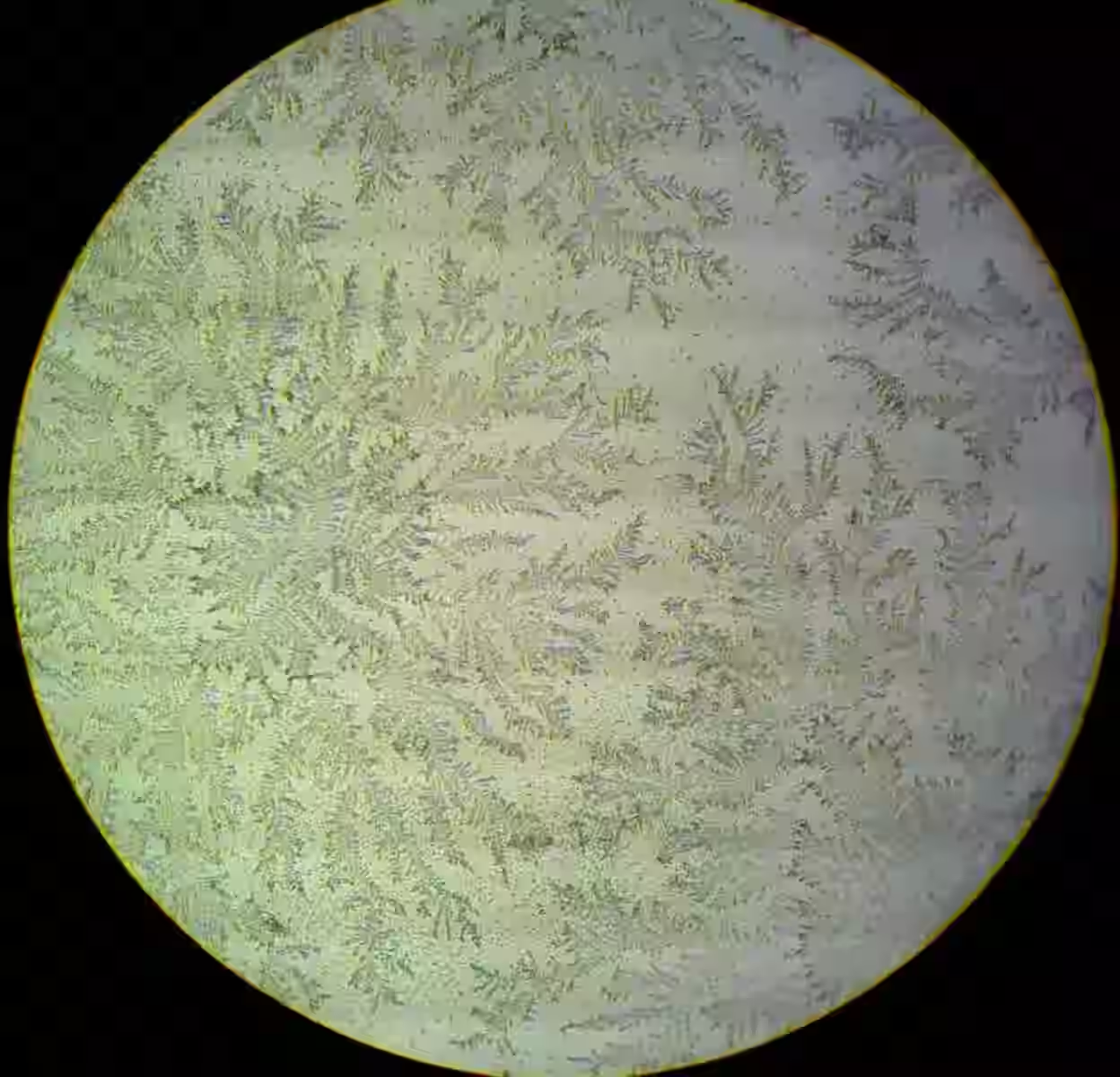
For decades, doctors have used this characteristic to help identify ovulation periods and assess hormonal activity. The appearance of these structures is usually related to elevated estrogen levels, a condition that occurs shortly before ovulation.
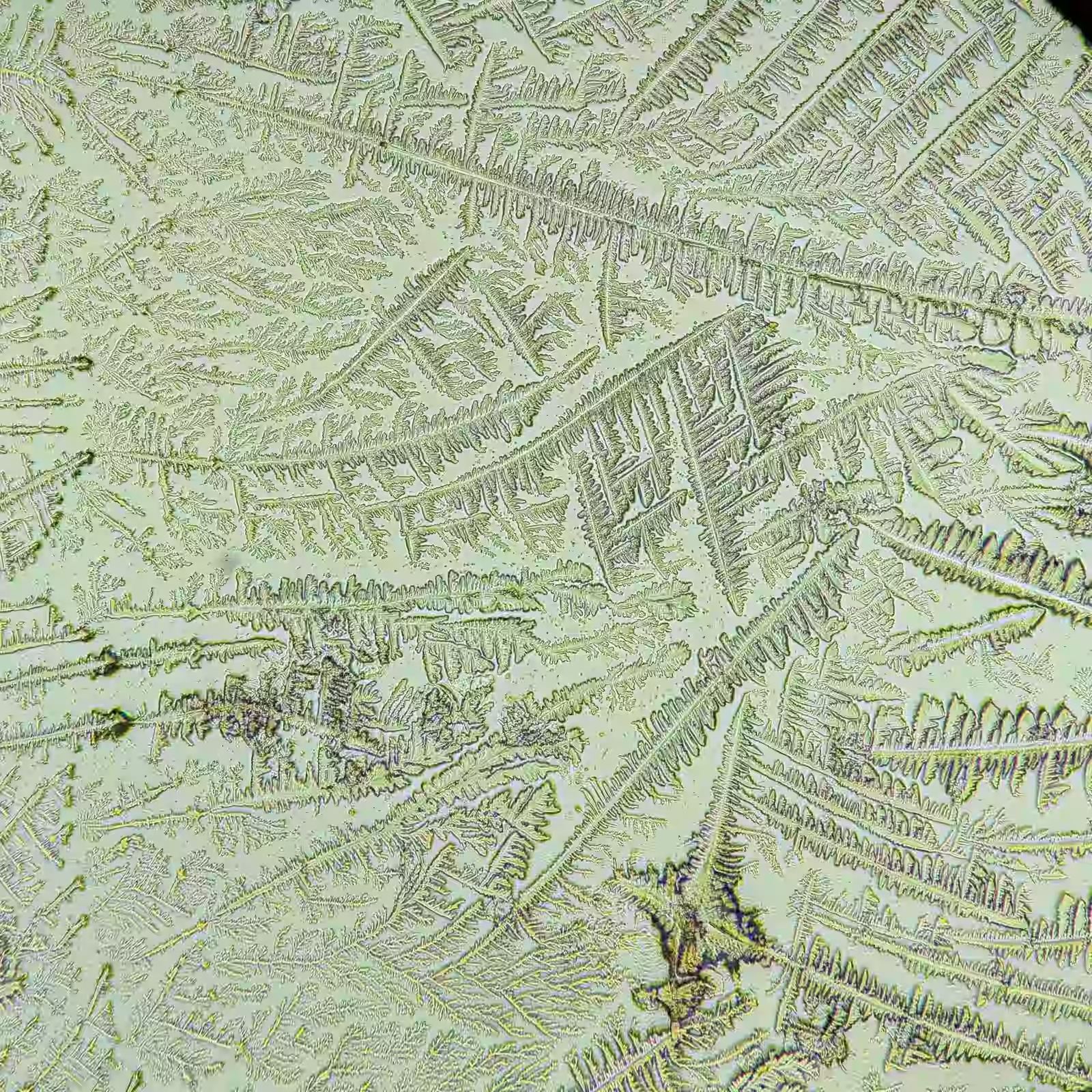
Beyond its medical usefulness, the image has caught the attention of thousands of people because of how unexpected it looks. What seems like a small work of natural art is, in reality, an example of how the human body can create complex geometric patterns invisible to the naked eye.
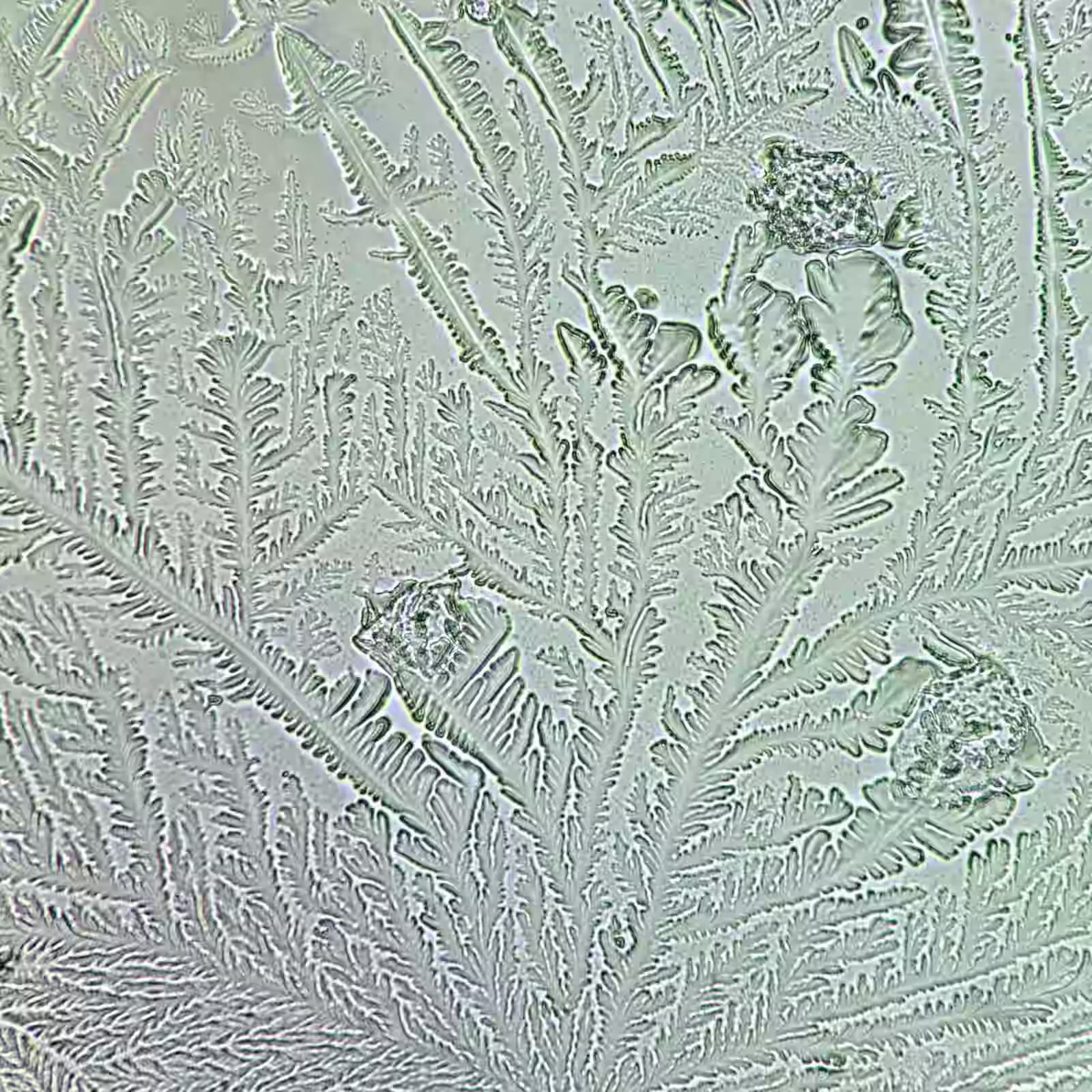
And now that you know what it is… would you have guessed it when seeing the photo for the first time?