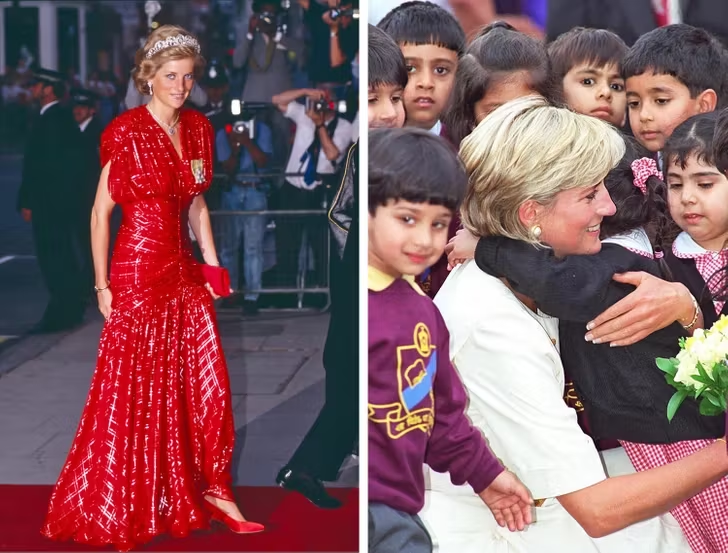
Royal protocol said that a princess should not touch anyone with her bare hands. That was what gloves were for: a fabric barrier between the crown and the world.
Diana took them off.
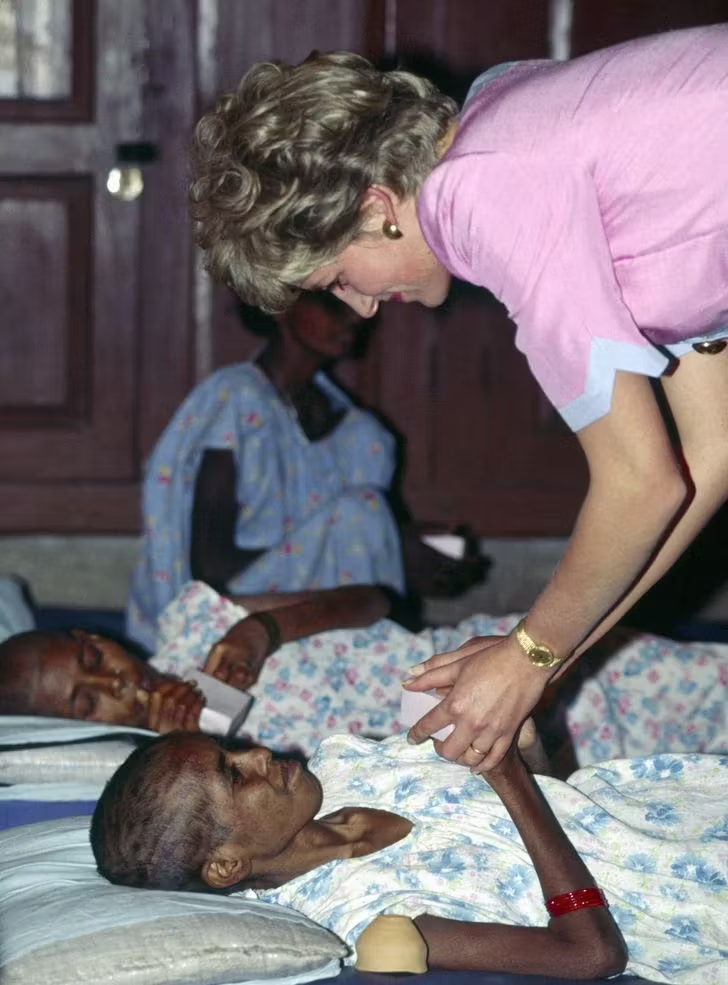
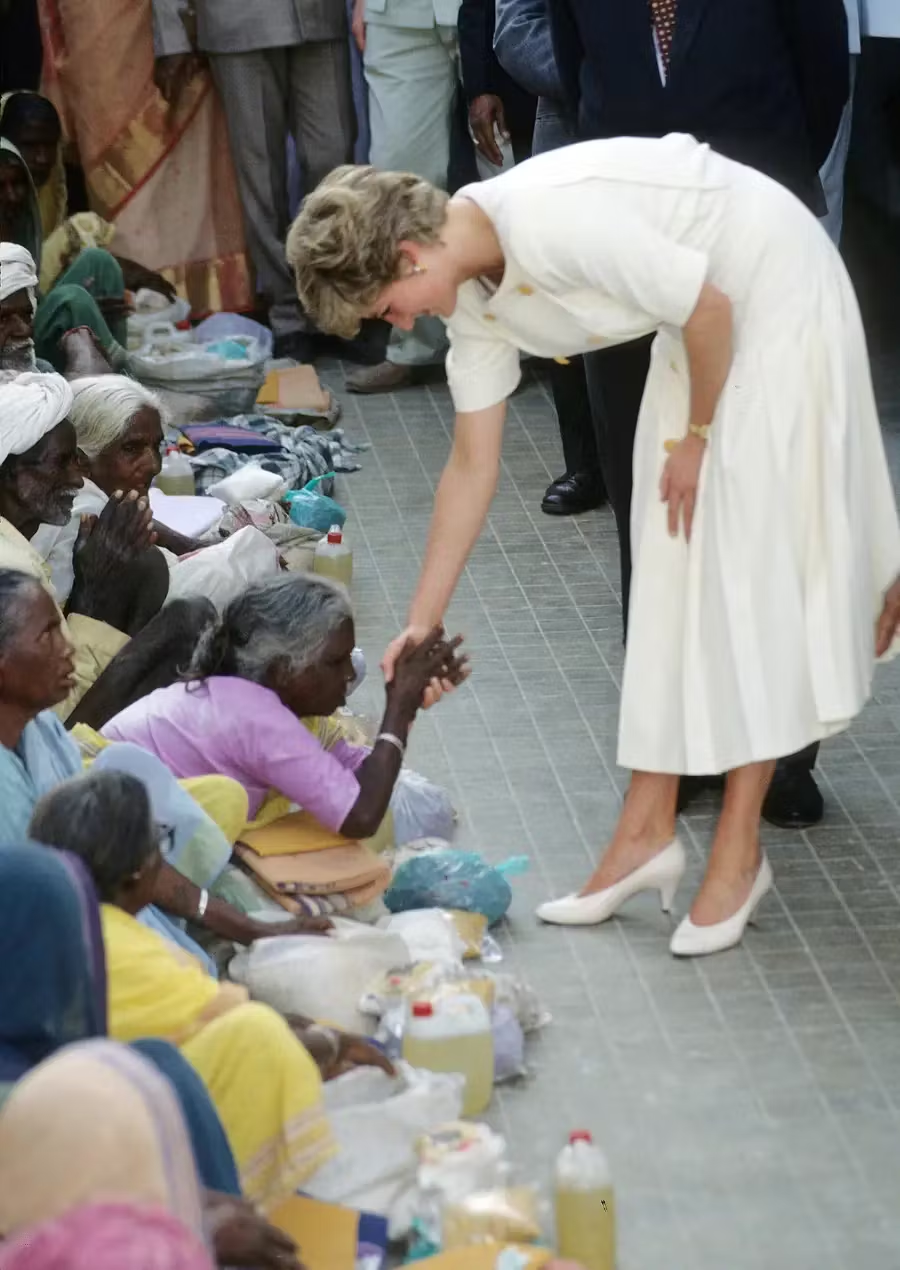
She hugged people with HIV when the entire world was afraid of them. She held the hands of sick people in hospitals with nothing between them. At a time when contact was frightening, she chose to touch.
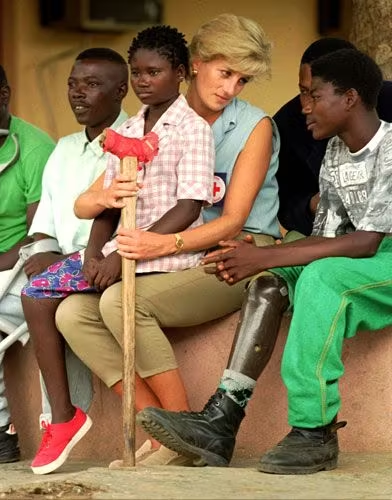
And that was just one of her quiet acts of rebellion. She sat with her legs crossed, comfortable, while the royal manual required her knees to be together and her ankles barely touching.
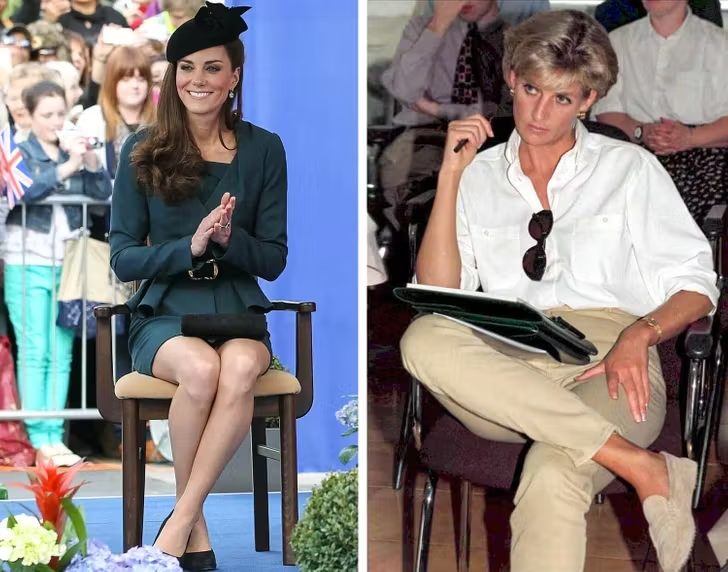
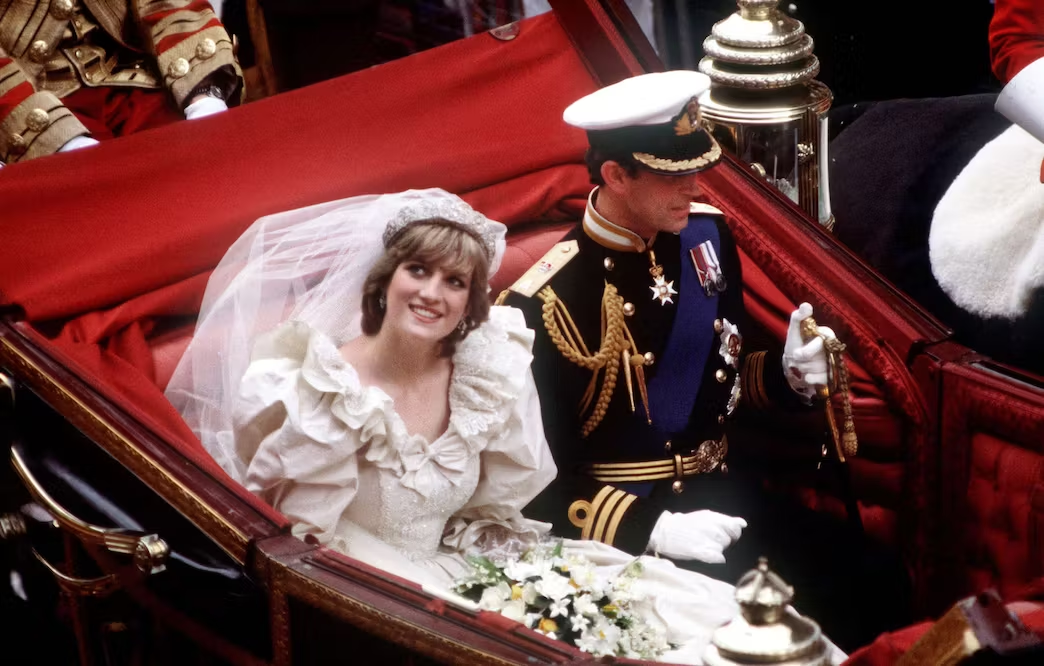
She replaced stiff hats with jeans. When she married the then-Prince Charles, in 1981, she removed a single word from her vows: obey.
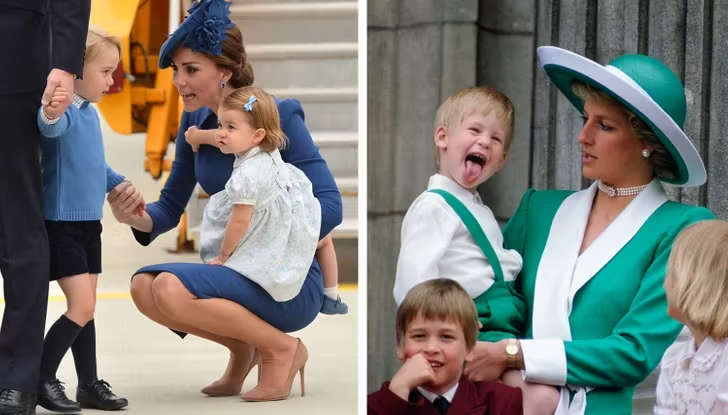
With her children, she went even further. Instead of raising them in isolation within the walls of the Palace, she took them to public school. She took them to McDonald’s. She took them to amusement parks, to stand in line like any other child, to live a childhood that no royal manual had ever envisioned.
None of this came free. Diana faced reprimands, family tensions, and the constant pressure of an institution that was not quick to forgive. But every rule she broke was a choice: to be a person before being a symbol.
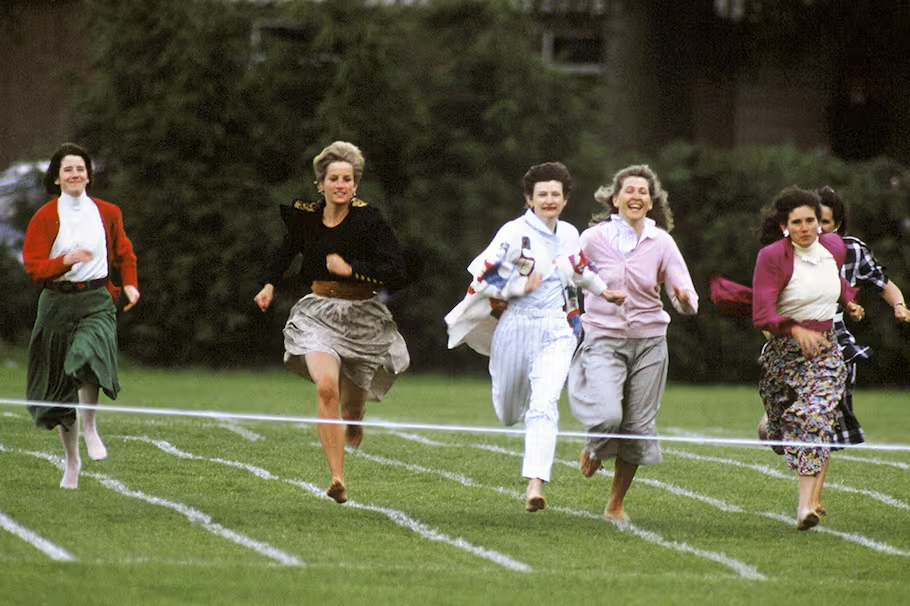
The people did not crown her princess. She earned it, glove by glove, hug by hug.