
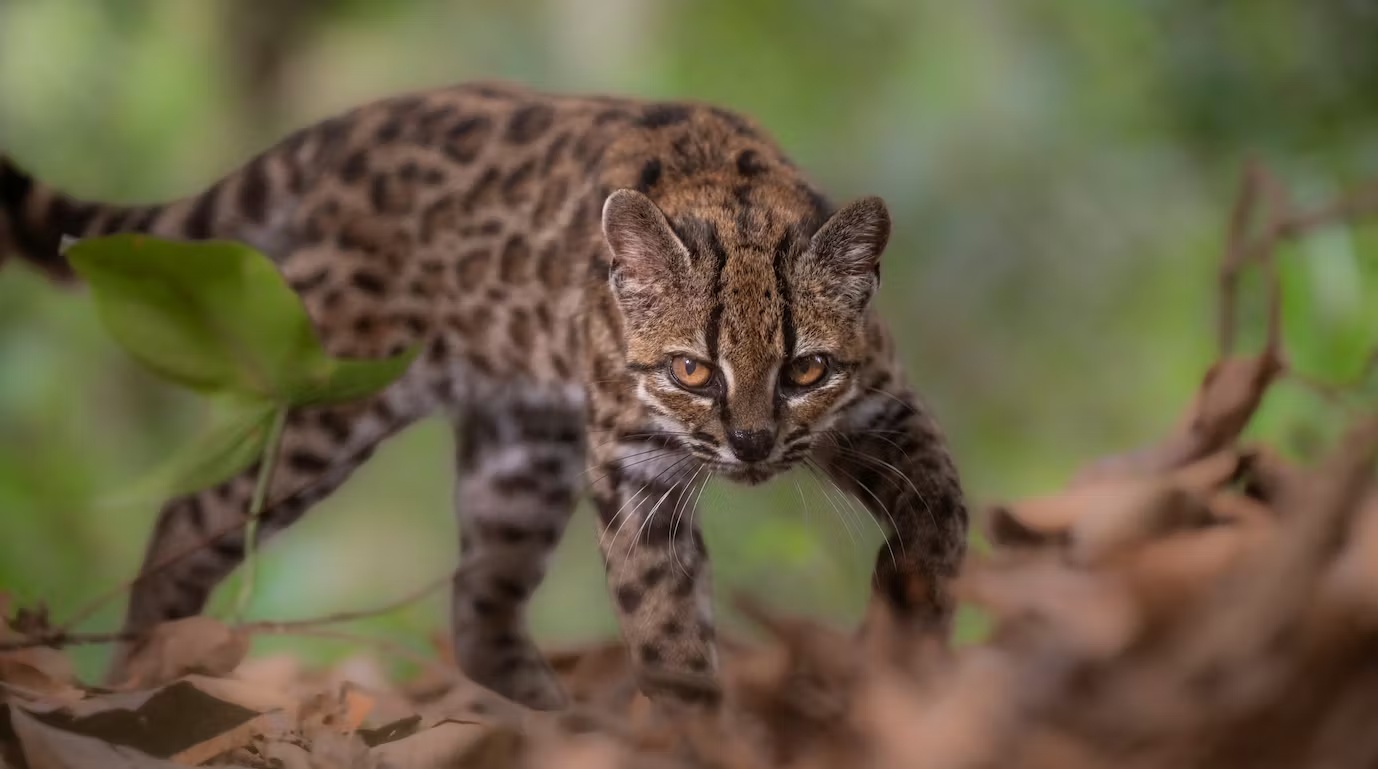
For years, in Bolivia’s Yungas, people called “tilcayo” a wildcat without knowing that they were naming something science had never cataloged.
It all began in 2016, when biologist Paola Nogales-Ascarrunz found an orphaned cub at a wildlife refuge. Something about its spots didn’t match known species: they were larger, its tail was longer, and its coat differed from that of neighboring felines.
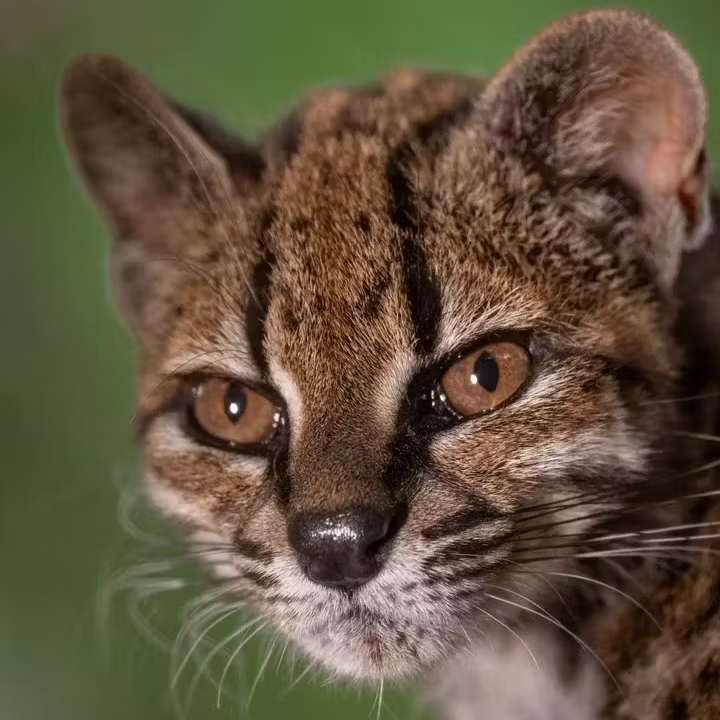
Together with Enzo Aliaga and researchers Eduardo Eizirik and Jonas Lescroart, they sequenced the complete genome of a pair of these animals and compared DNA from museum specimens. The result, published in Current Biology, was conclusive: Leopardus tilcayo diverged from its relatives 1,4 million years ago. It measures just 45 centimeters and weighs 1,4 kilograms, less than your domestic cat.
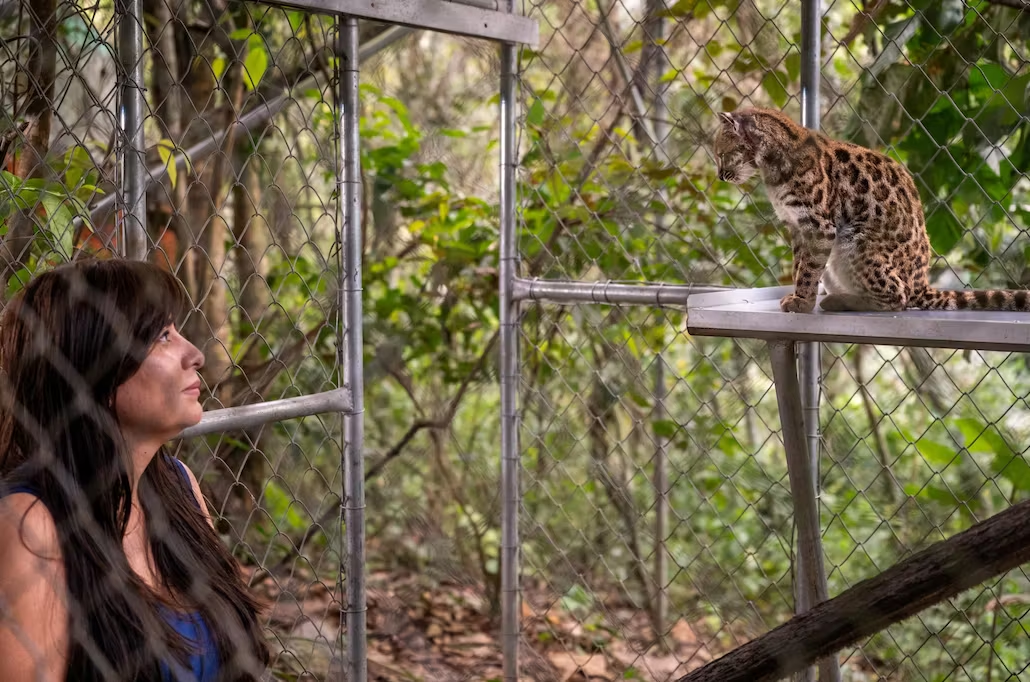
It is the first living feline species described since 1923, and so far it is known only from that corner of the Bolivian Andes.