
In much of the world, leaving one’s home after one’s husband has taken a second wife could be understood as a personal decision. In areas controlled by the Taliban, for many women it could become the beginning of a much bigger problem.
Human Rights Watch documented the case of a woman from Afghanistan’s Faryab province who, in 2019, left her home after her husband took another wife. The woman sought help from a man who could accompany her to present her situation to the authorities.
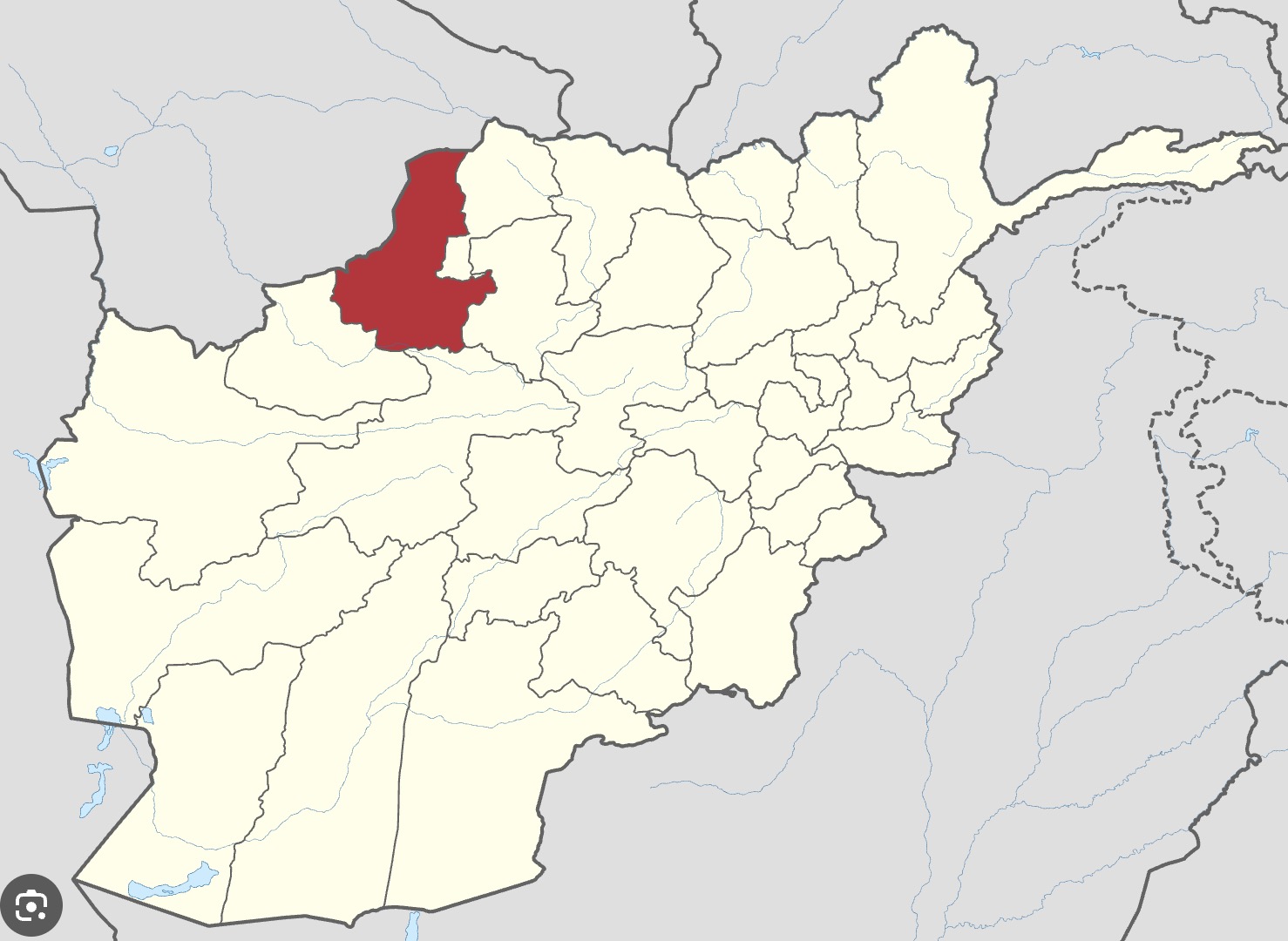
But the response she received was very different from what she expected. A Taliban court considered that both had engaged in unlawful conduct. The woman was sentenced to death, and the man accompanying her was sentenced to 40 lashes.
According to the information cited by Human Rights Watch, the woman was ultimately killed by members of her own family: her father and brother, both linked to the Taliban, were the ones who carried out the sentence.
The case was especially revealing of a problem that HRW had been documenting: women who tried to escape marriages or difficult family situations could end up being punished for doing so. The organization noted that Taliban courts could use accusations related to extramarital sexual relations to prosecute women who had left their homes.
And there is something that makes this case even more disturbing: the woman is never identified by name in the report. We know where it happened, we know approximately when it happened, and we know what became of her, but her name was lost in the records.
The Human Rights Watch report was published in 2020, before the Taliban retook control of Afghanistan in August 2021. However, the case helps explain why the organization expressed concern about the justice system the group had imposed in the territories under its control.
Source: Human Rights Watch, You Have No Right to Complain: Education, Social Restrictions, and Justice in Taliban-Held Afghanistan (2020), based on information from the United Nations. Human Rights Watch