
Tatiana Guerra lost her sight at 17. At 30, twenty weeks pregnant, she listened as the doctor described the ultrasound screen to her, but she couldn’t keep that first image that so many mothers cherish.
It was 2015, in Brazil. The baby would be named Murilo.
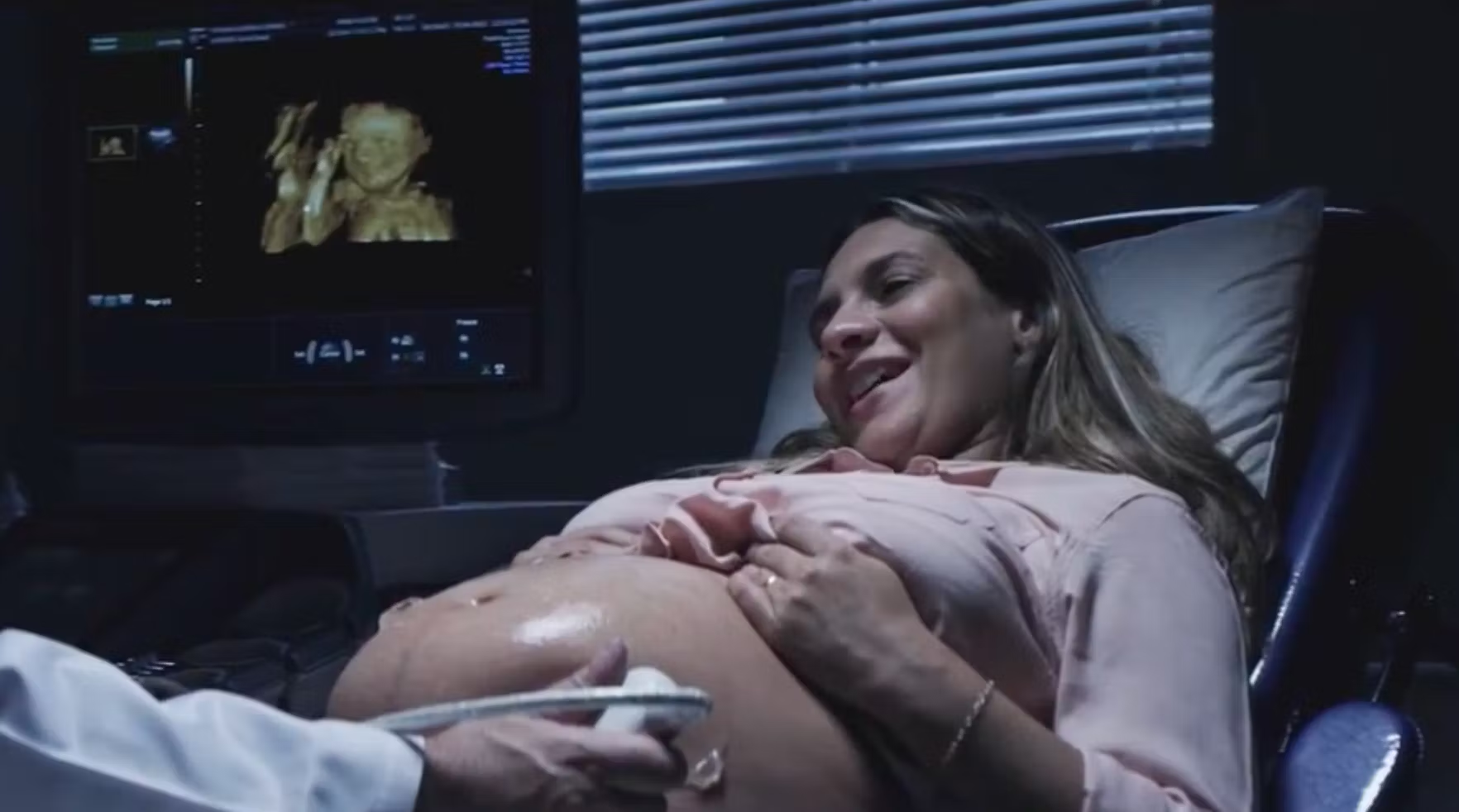
At that routine checkup, something Tatiana wasn’t expecting appeared. A portable 3D printer, brought especially for her, took the ultrasound data and created a small raised piece with the features of her son’s face.
The doctor handed it to her wrapped in a white cloth. At the top, in Braille, was a phrase for her.
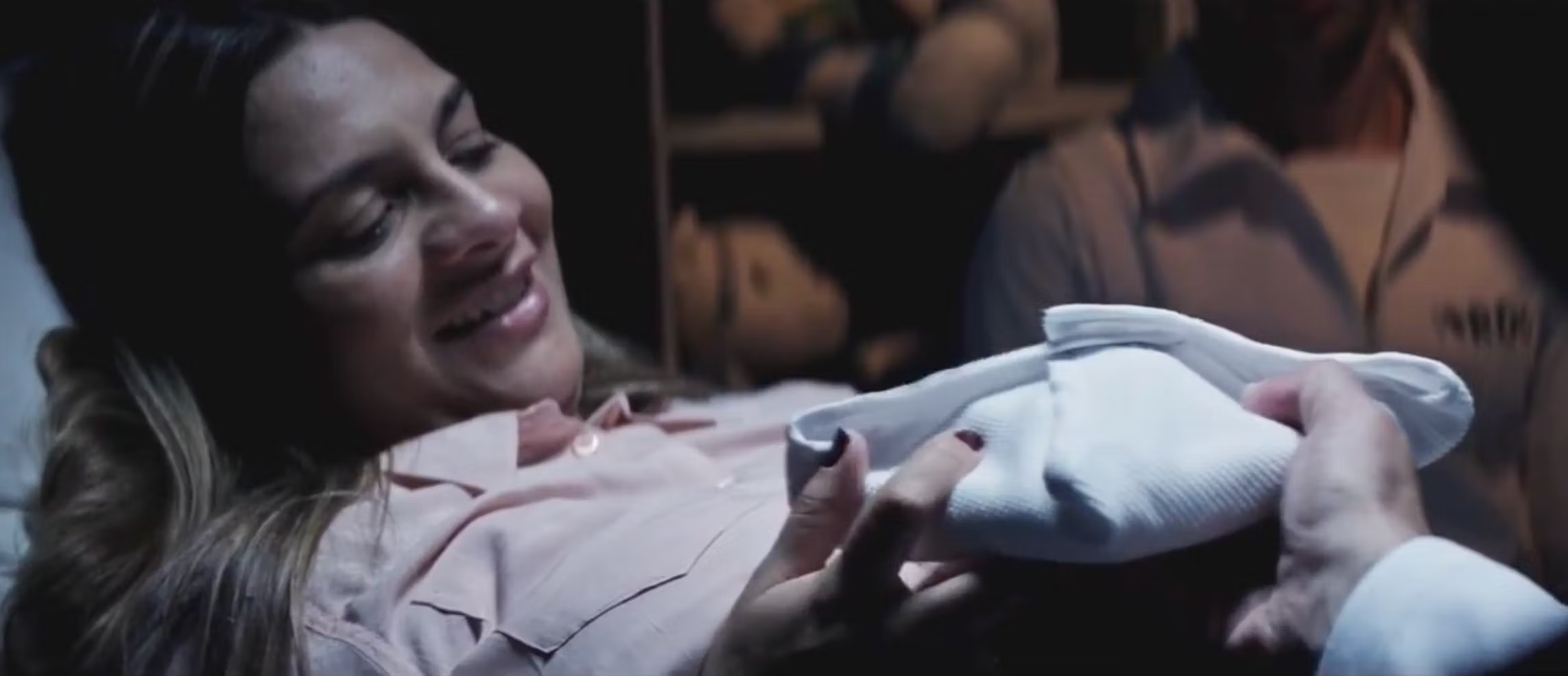
Tatiana began to trace it with her fingers. The nose. The mouth. The cheeks. When she understood what she was touching, she burst into tears.
“I’m so happy to meet Murilo before he’s born”, she said, holding her son’s first image in her hands.
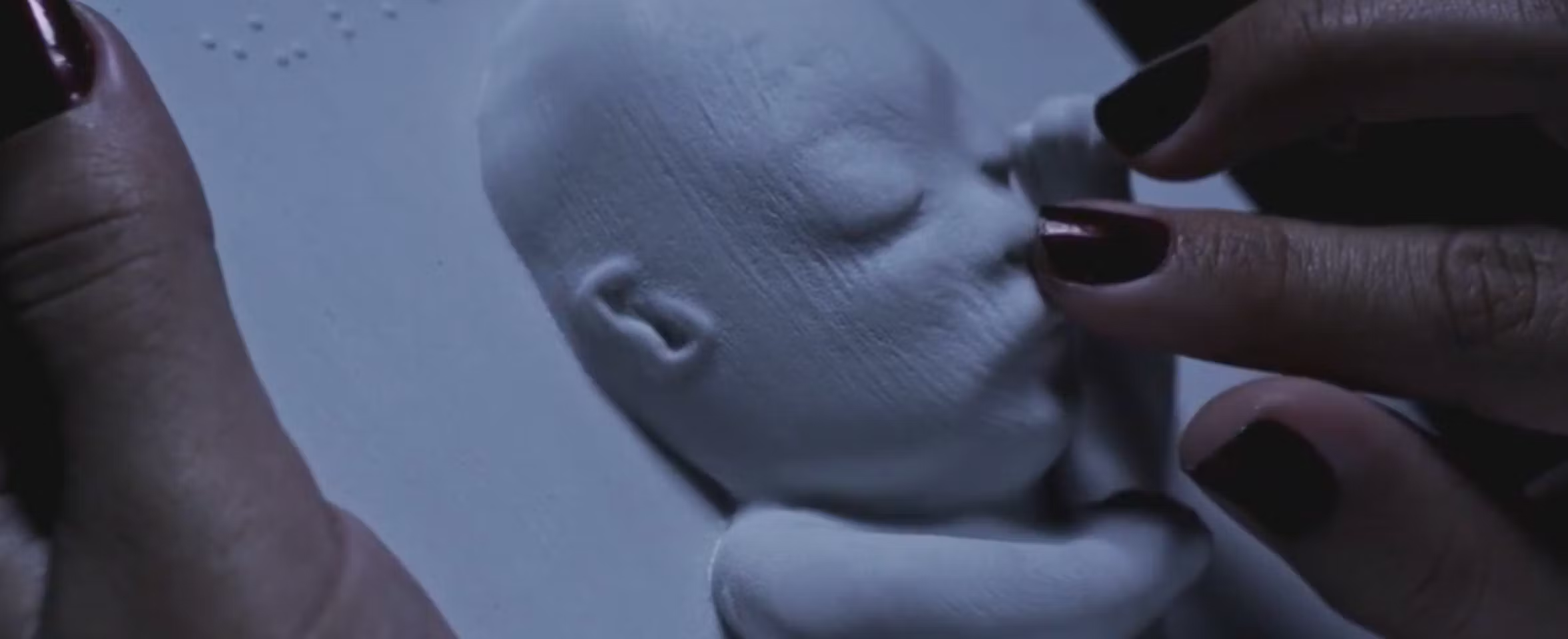
Technology did not restore her sight. It gave her something different: a way to see with her hands what her heart had already felt for twenty weeks.