
In 2011, workers at an oil sands mine in Alberta, Canada, struck something that wasn’t rock.
It was Borealopelta markmitchelli, an armored herbivore that lived about 110 million years ago. And it didn’t appear as fossils usually do: broken apart and crushed. It retains its three-dimensional shape, much of its armor, traces of skin, and even the contents of its stomach.
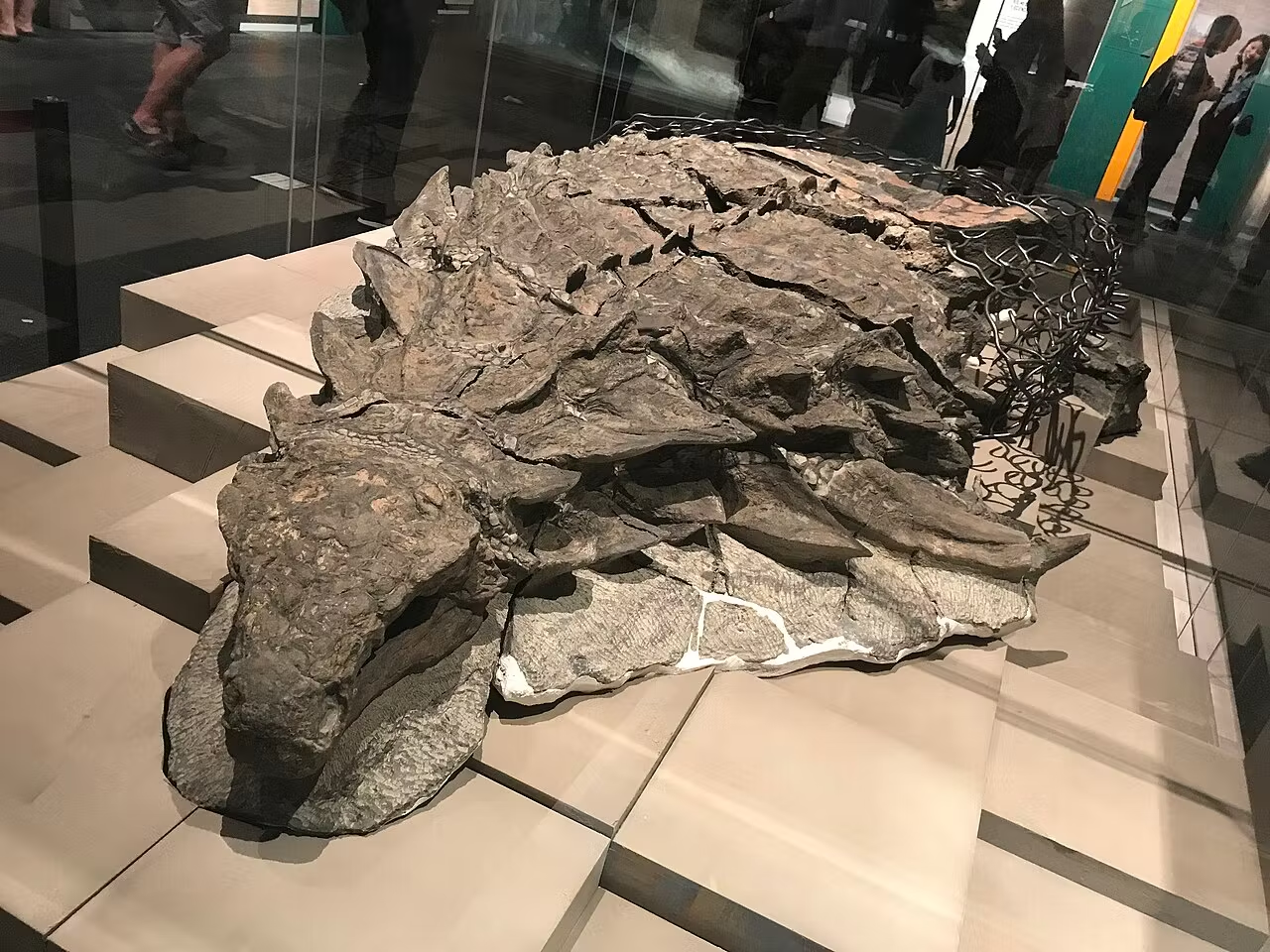
Thanks to this, researchers learned what it ate before it died: ferns and traces of charcoal, evidence of ancient forest fires. They also found evidence of reddish-brown pigmentation and a camouflage pattern that may have helped it go unnoticed by predators.
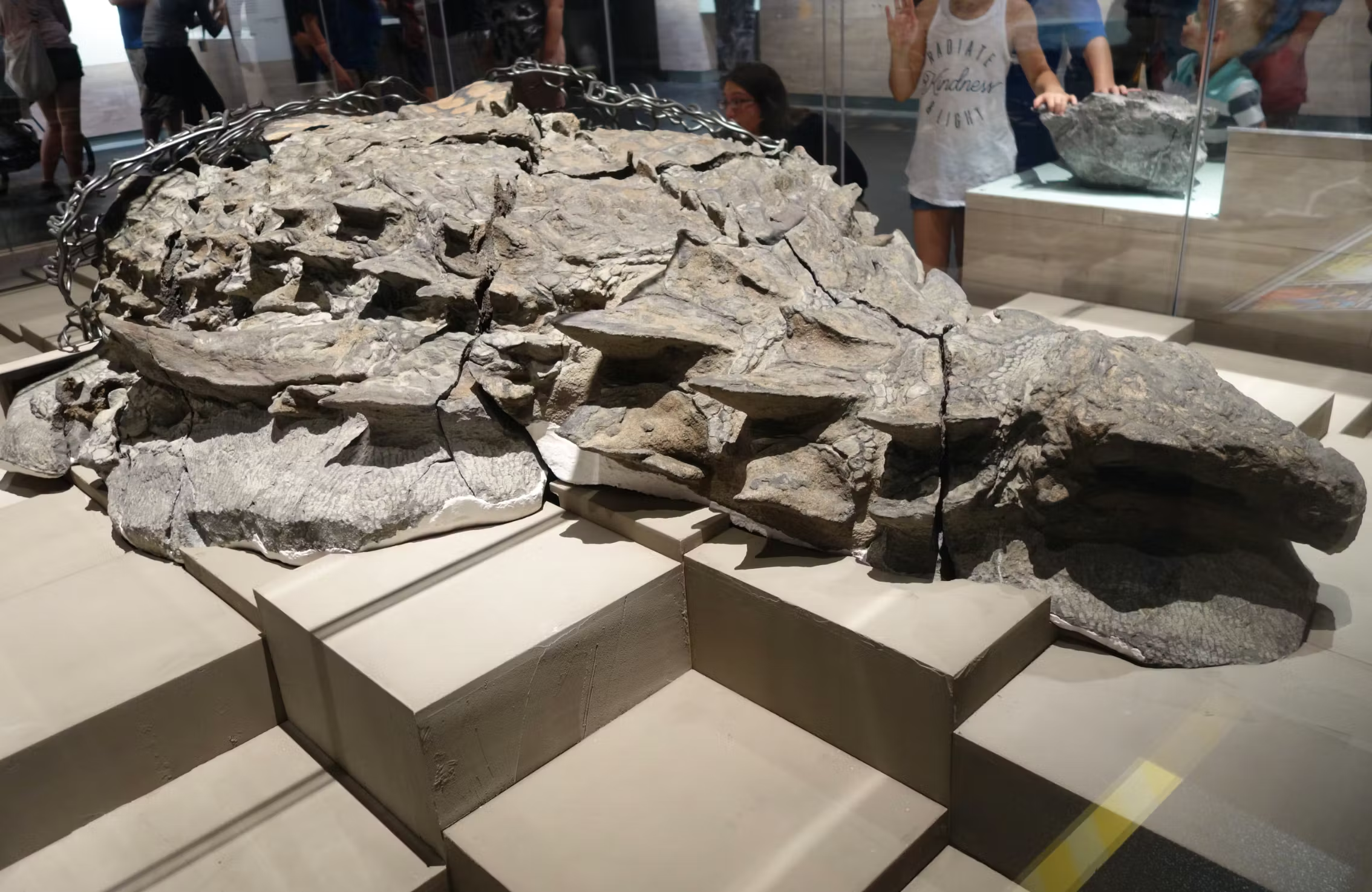
It was about 5,5 meters long and weighed around 1.300 kilograms. Its preservation made it possible to study features that almost always disappear during fossilization.