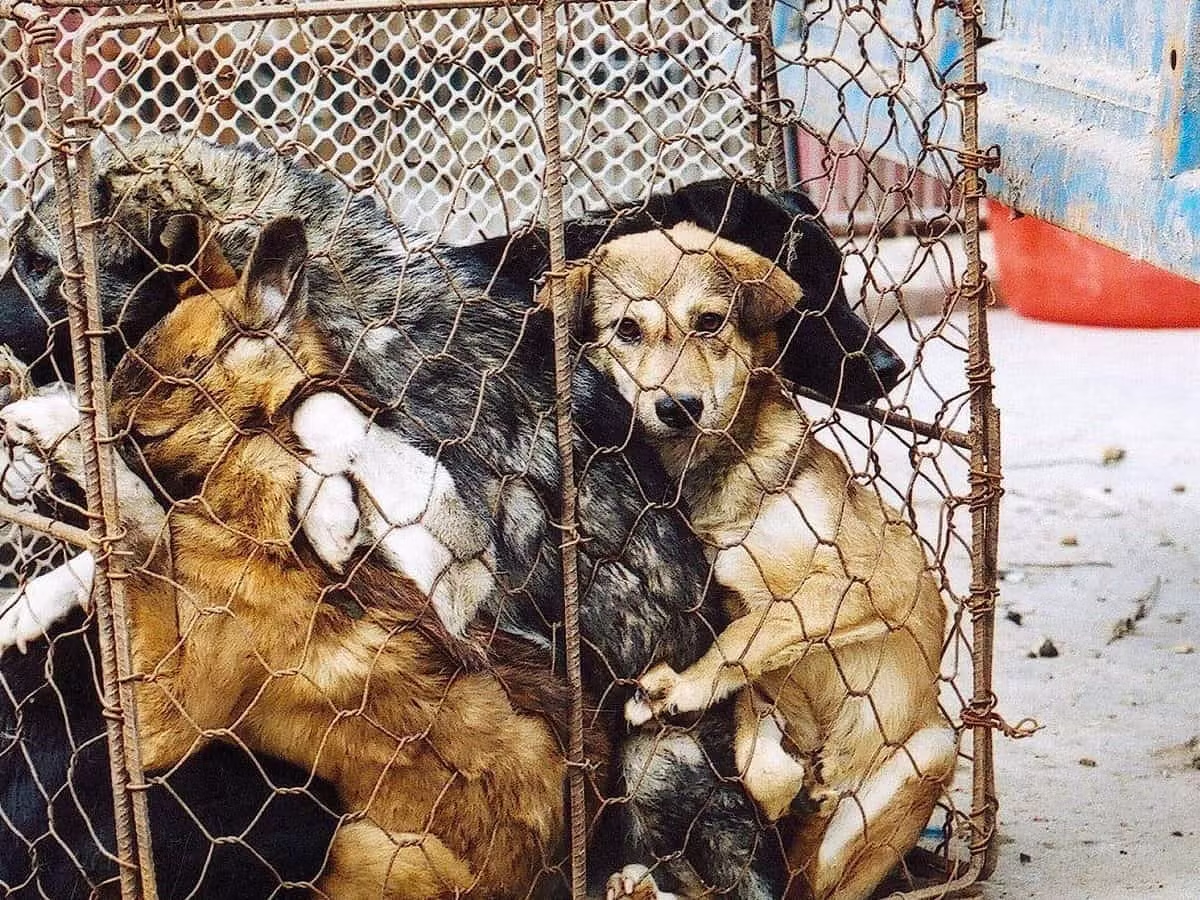
This was the last summer when a 600-year-old dish could be served without legal repercussions.

In South Korea, bosintang—that soup families used to have during the three hottest days of the year, with roots dating back to the Joseon dynasty—has its days numbered. In January 2024, the government passed a law banning the raising, slaughtering, distributing, and selling of dog meat for human consumption, and starting in February 2027, anyone who violates it may face up to three years in prison.

The change is already being felt on the streets. The historic Moran Market in Seongnam, which for decades was the epicenter of this industry, now offers black goat stew instead of bosintang. By May 2026, around 82% of the country’s registered dog farms had already closed their doors, and thousands of restaurants were forced to reinvent their menus before the tradition disappears forever.