
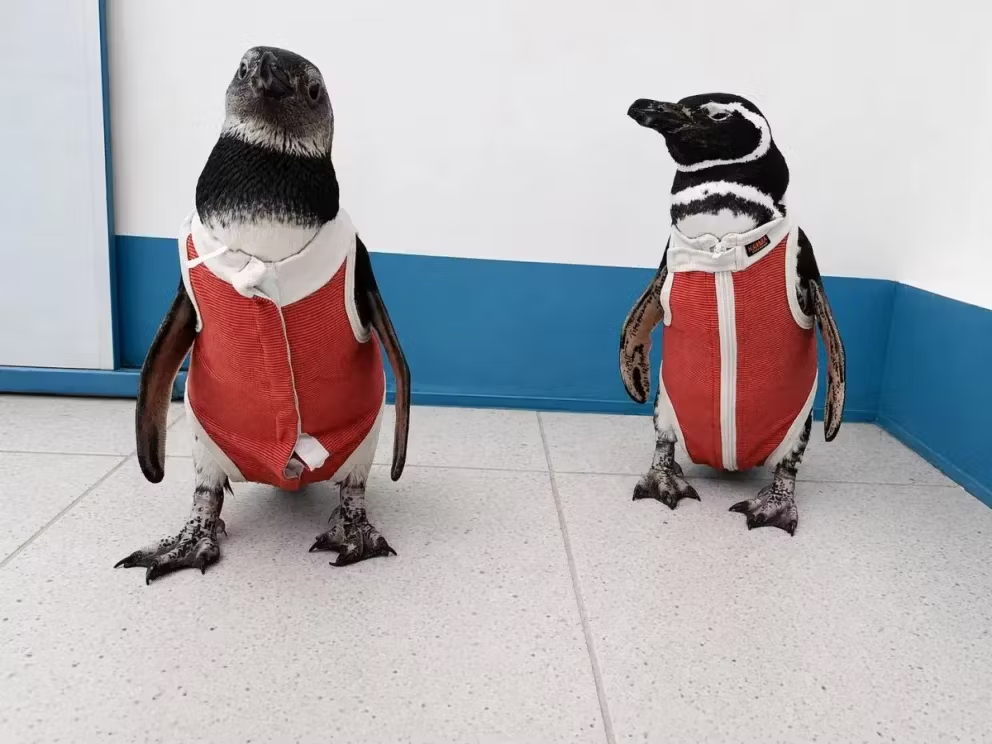
An injured penguin has an instinct that works against it: to peck at its own sutures until it opens them back up.
That was what led Tomás Pino Damke, veterinarian and president of the NGO Conservación Humboldt, to look for a solution in the Coquimbo region of Chile. Together with the Universidad Católica del Norte and the textile company Kimba Vet, he took a technique already used in dogs and cats — copper postoperative suits — and brought it to a territory never before explored: wild marine animals.
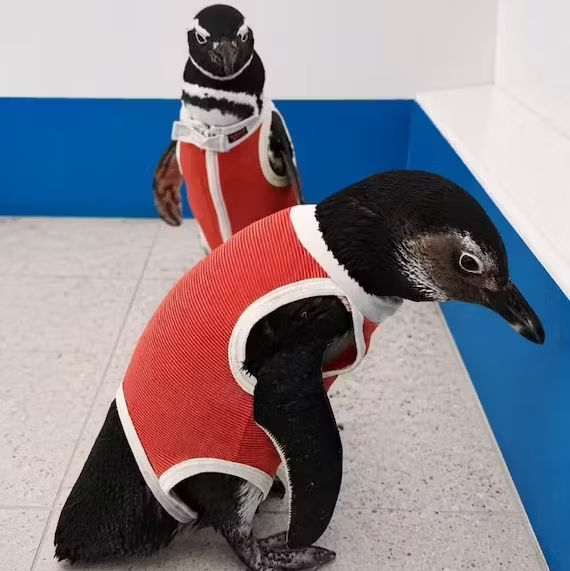
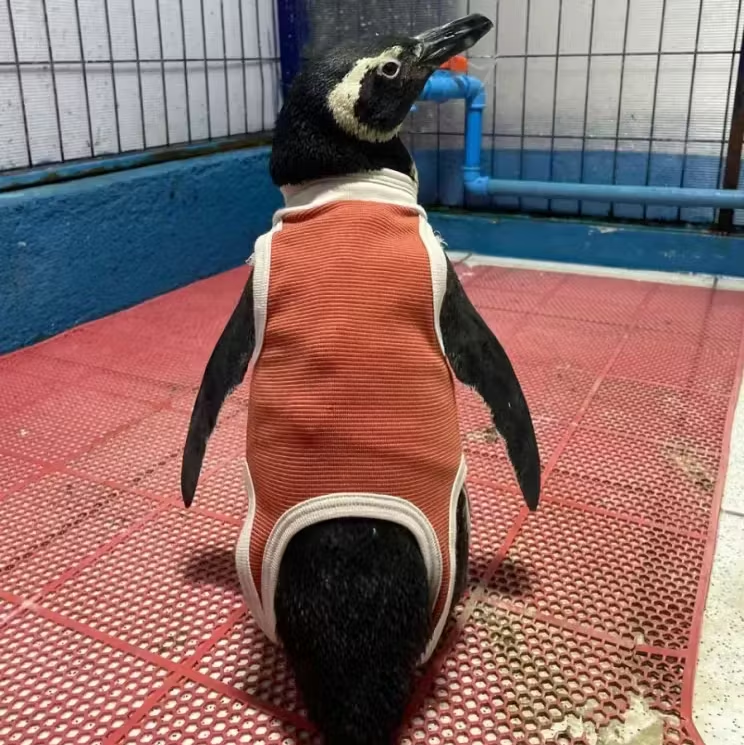
The problem was no small one. A dog or cat walks on four legs, so the suit stays in place on its own. A penguin walks upright, on two, and the design shifted or fell off as soon as the animal took a few steps. The team had to photograph each patient with reference backgrounds to precisely measure flippers, neck, and tail, and tested the first prototypes with penguins from Buin Zoo before arriving at the design they now use at the rescue center.
Today, every penguin that arrives injured by a net, an attack, or human contact has a second chance sewn to its exact measurements.