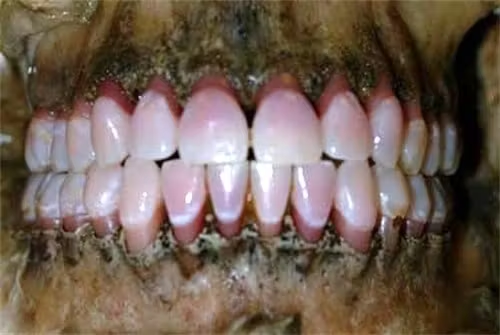
Teeth are the most resilient tissue in the human body. They withstand the passage of time and decomposition when almost everything else is gone.
But there is a little-known phenomenon forensic investigators look for closely: the pink tooth. It occurs during decomposition, when hemoglobin in the blood seeps into the dental pulp in a process called autolysis. The pigment stains the tooth from the inside out. It is not makeup or a surface stain.
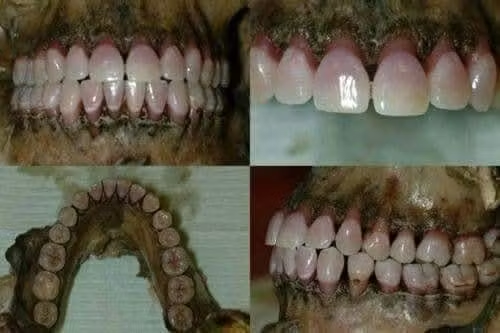
The discoloration is most often seen in canines and premolars, which have a greater blood supply. In forensic dentistry, finding it is a warning sign. It is often associated with violent deaths involving a lack of oxygen, such as suffocation or hanging. It is not definitive proof on its own, but it provides important guidance for the investigation.
Teeth also serve another purpose. They are one of the most reliable identification tools available, even when a body is no longer recognizable. In mass disasters or cases of advanced decomposition, an up-to-date dental chart may be the only thing capable of restoring a person’s name and giving their family the chance to find them. Teeth can even withstand fires in which the rest of the body disappears completely.