Shelby Dawn Lashombe was 25 years old and had a classroom at a Texas high school. She was also in a relationship with two of her students, both 16. The case ended in a plea deal. Lashombe pleaded guilty to two counts of improper relationship between an educator and a student, and in exchange prosecutors dropped the two more serious charges of sexual assault of a child.
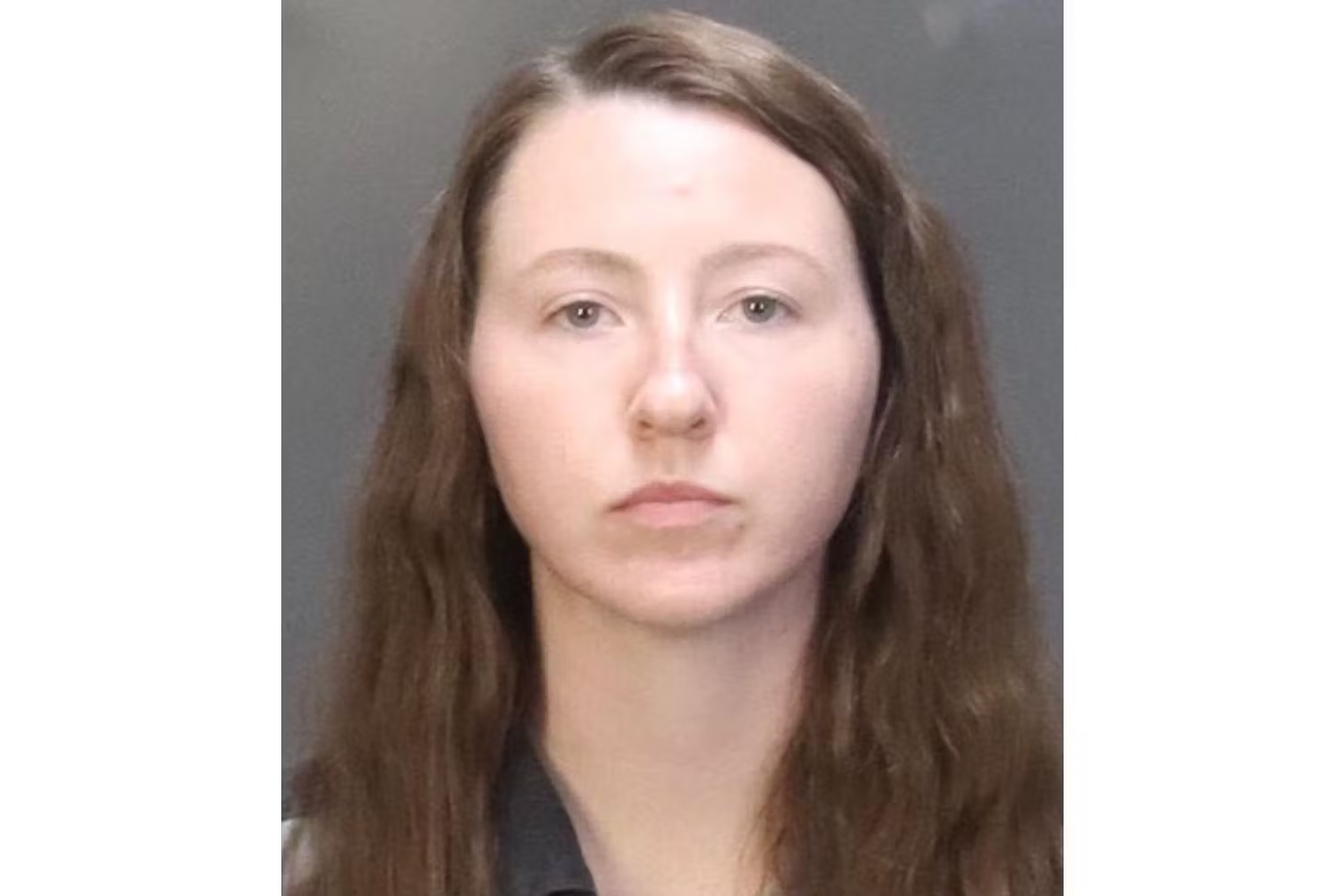
She was sentenced to six years of deferred probation. She will pay a 1.000-dollar fine, spend four weekends in jail, and complete 60 days of community service. With no formal felony conviction, she avoided prison and a criminal record that would have followed her for life.
During the hearing, one piece of testimony weighed heavily in the decision. The father of one of the students told the judge that his son was doing well: he had good grades, played football, and had already been accepted to several universities. He asked that she not be sent to prison or given a permanent criminal record, because his son did not want to see her jailed.

The question left hanging was a different one: what does a sentence measure when the victim is a minor and the accused was the adult in a position of authority?