
Abiyah Yasharahyalah was three years old when his story came to a harrowing end. He lived with his parents, Tai and Naiyahmi, who had decided to distance themselves from much of society and follow a particular belief system that included a highly restrictive vegan diet.
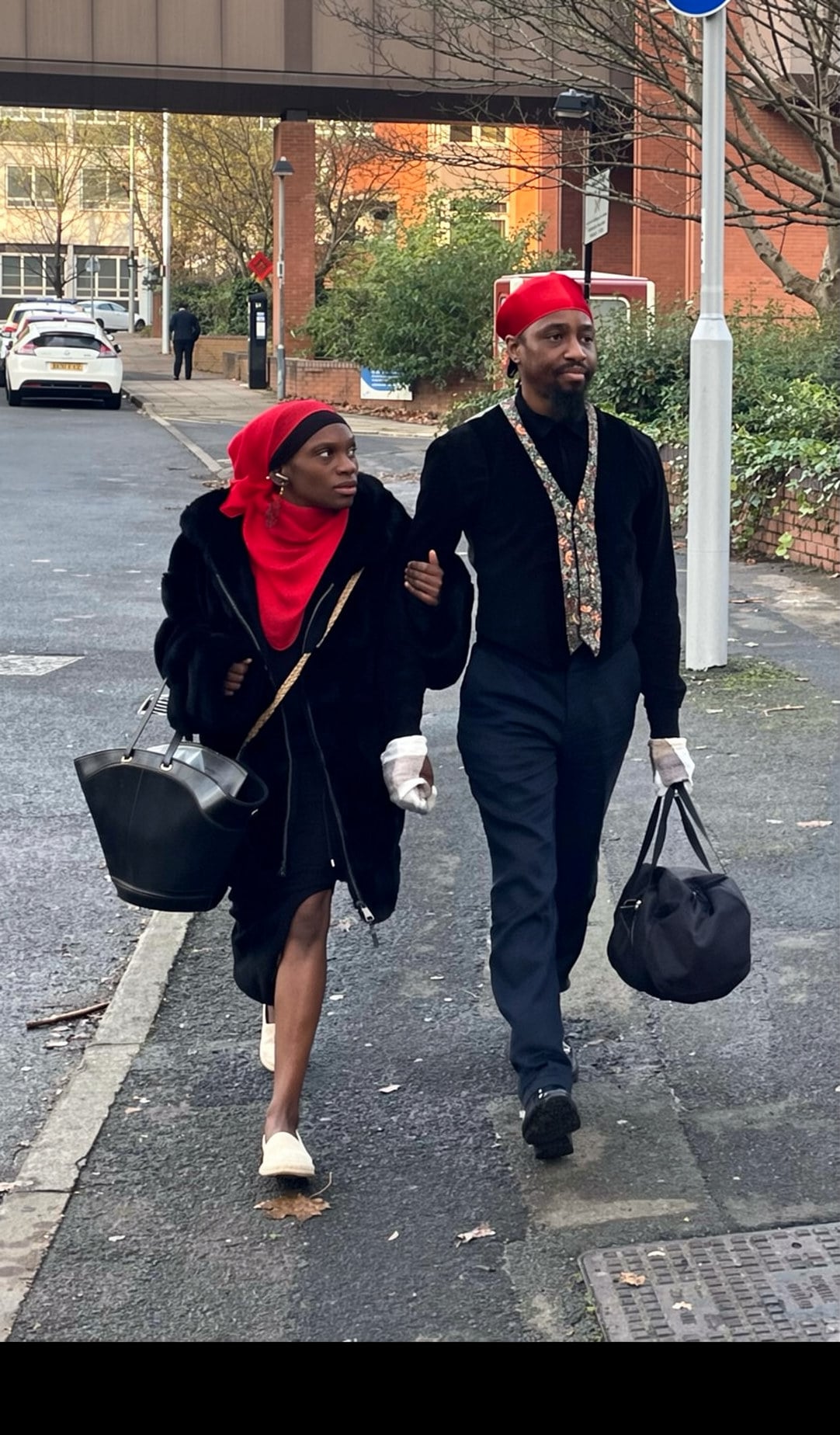
When the child fell ill, his parents did not seek medical attention. During his final days, they tried to treat him with garlic and ginger. Abiyah suffered from severe malnutrition, as well as rickets, anemia, stunted growth, and other health problems. Finally, in 2020, he died from a respiratory illness aggravated by his fragile condition.
His parents kept his body for eight days and performed a ritual in the hope that he might return to life. They then buried him in the garden of the family home, in a grave about 30 inches deep. The family later left the property.
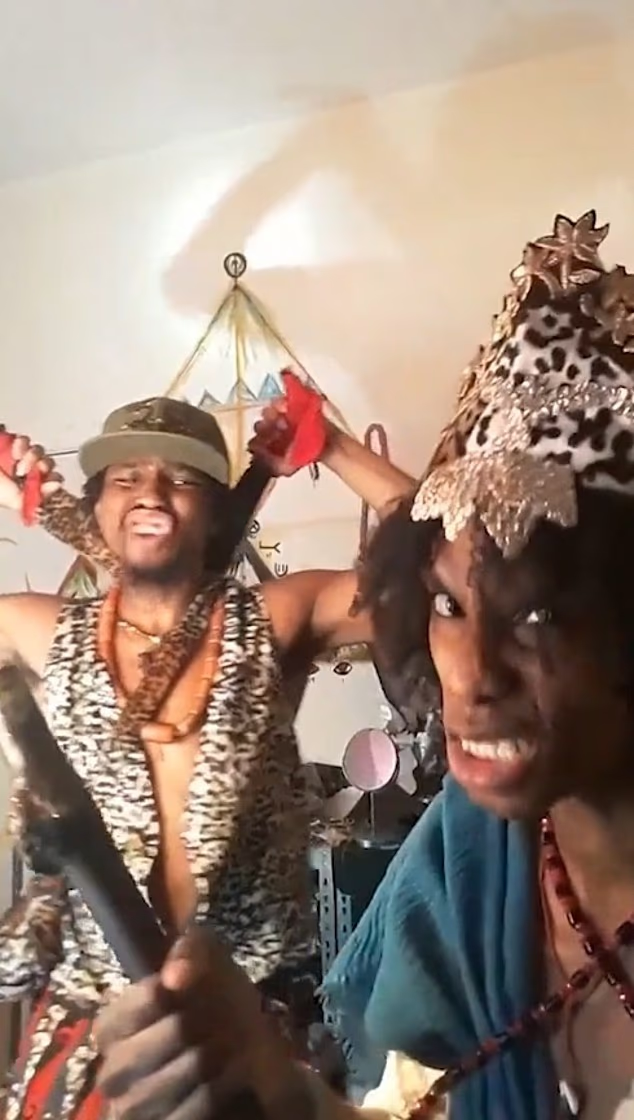
What is most disturbing is that Abiyah was not completely unknown to the authorities. Health professionals, social workers, and police officers had had various contacts with the family over the years. However, a subsequent investigation concluded that there was very little information about his well-being and that he had been practically “invisible” to child protection services.
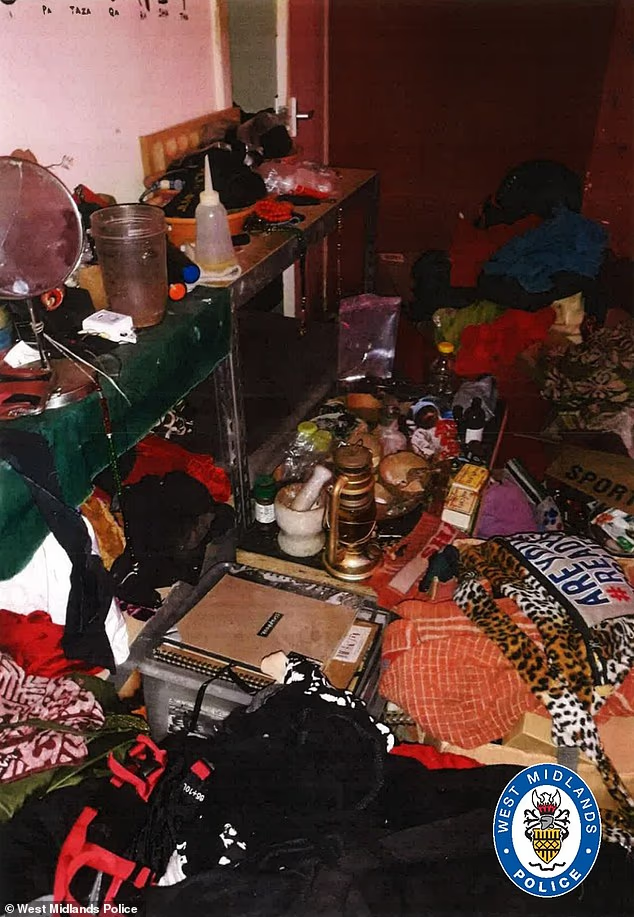
His remains were found in December 2022, almost three years after his death. His parents were arrested and later found guilty of causing or allowing their son’s death, child cruelty, and obstruction of justice. Tai received a sentence of 24 and a half years, while Naiyahmi was sentenced to 19 and a half years.
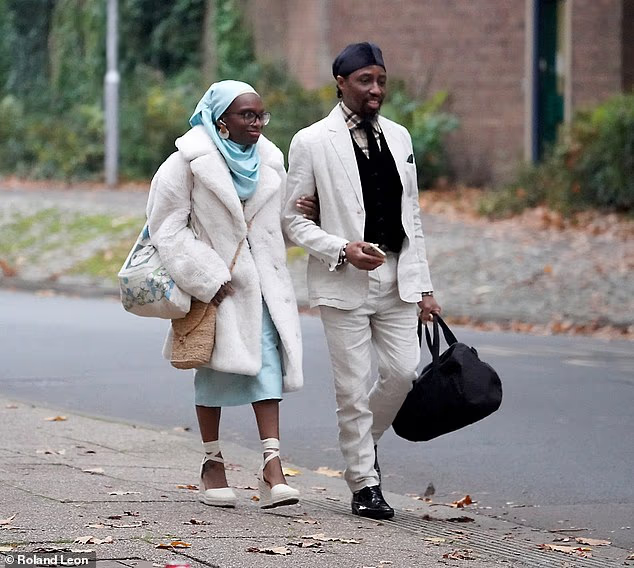
The case did not end with two convictions. It also prompted a review of how such a young child could have fallen outside the view of those responsible for protecting him. The report concluded that it was necessary to improve the way authorities identify children who become “hidden” from regular contact with public services.