
Dr. Masaichi Fukushi was no ordinary collector. He was a pathologist, knew anatomy with surgical precision, and had an obsession that set him apart from any other art scholar in Japan: he wanted to preserve irezumi tattoos before they disappeared forever beneath the ground.
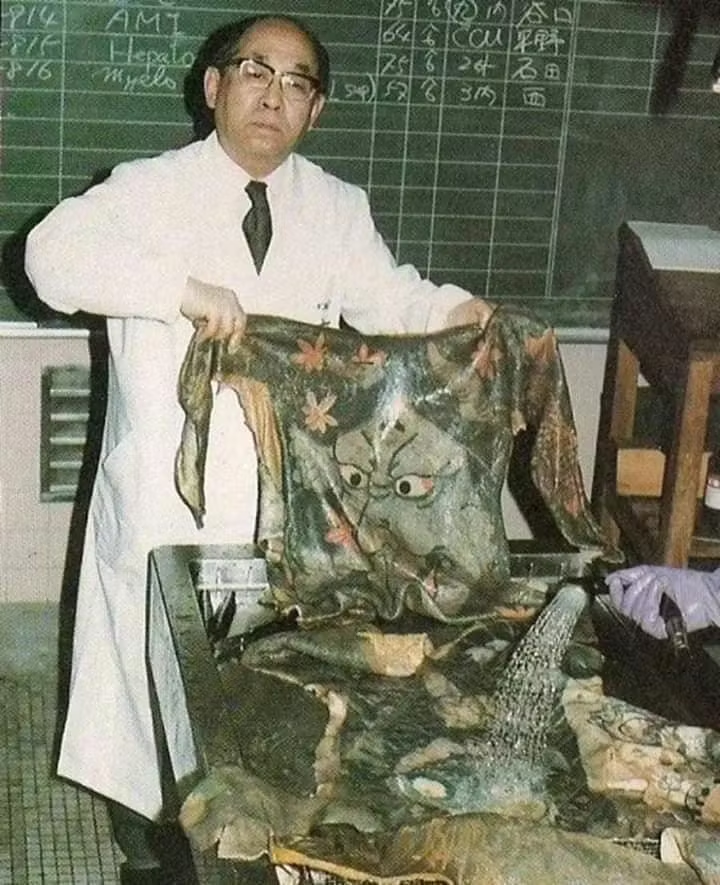
The problem was that tattoos do not exist without the skin that bears them. Fukushi understood that better than anyone. So he developed a method as methodical as it was disturbing: he identified people with exceptional body designs, in some cases financed the entire tattooing process, and formalized an agreement with them — once they died, their skin would pass into his collection. Decades of that quiet work amassed more than 100 samples of preserved human skin, many with full-body suits covering the torso, arms, and legs with dragons, koi carp, and figures from Japanese folklore.
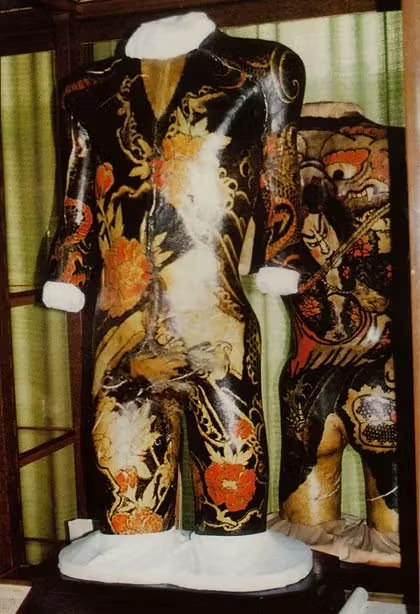
Today, much of that collection remains preserved in Japan. It includes pieces linked to the Yakuza tradition, from a time when irezumi was simultaneously a refined art form and a mark of social stigma. What Fukushi built is a historical archive without equal — although the question of where cultural preservation ends and where something harder to name begins still has no clear answer.