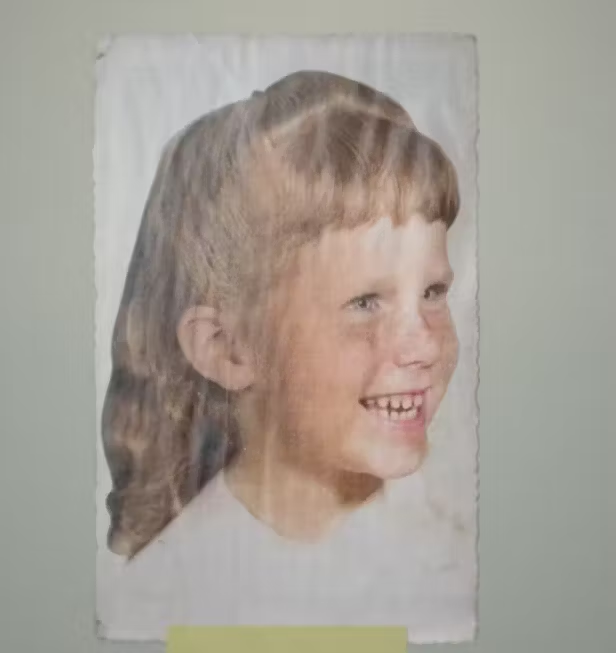
Susan Nason was 8 years old when she disappeared, on September 22, 1969, in Foster City, California. She had left her home with her mother’s permission to return a pair of sneakers to her best friend, Eileen Franklin. She never made it.
In December, they found her body beneath an old mattress, 35 feet deep in a ravine near Crystal Springs Reservoir. She had been struck twice in the head, probably with a rock. Police Chief Gordon Penfold put it bluntly: “This is going to be a difficult case to solve”.
He was right. The case went cold for twenty years.
In January 1989, Eileen Franklin was at home in Los Angeles, holding her two-year-old son. She locked eyes with her five-year-old daughter, who was drawing on the floor. And an image pierced her: Susan being murdered.
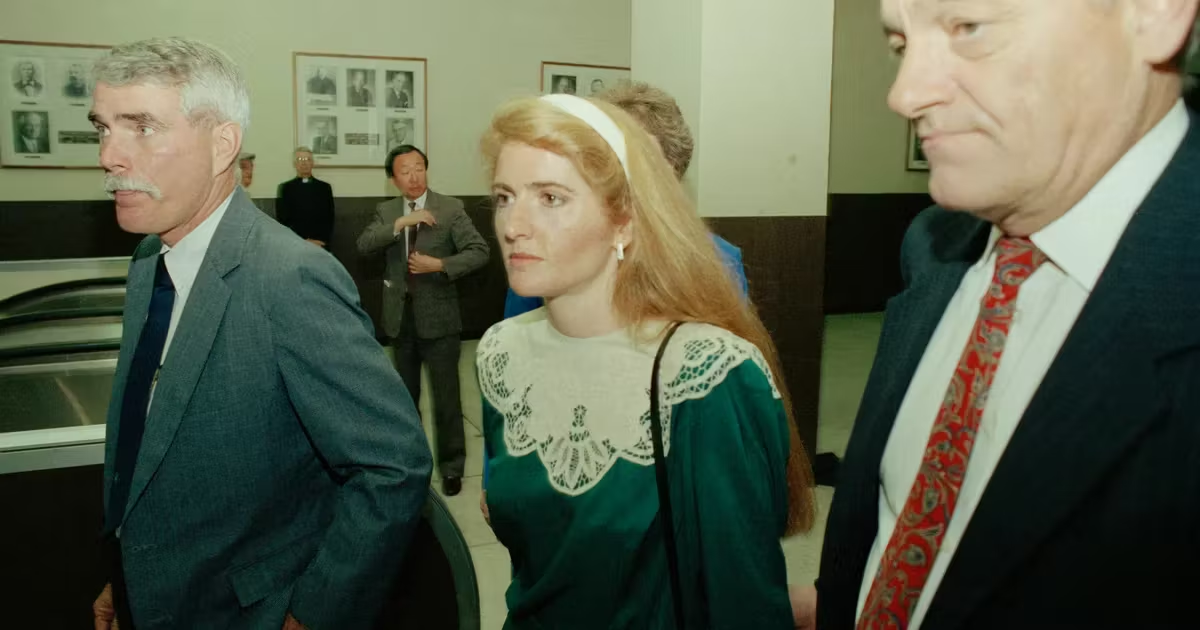
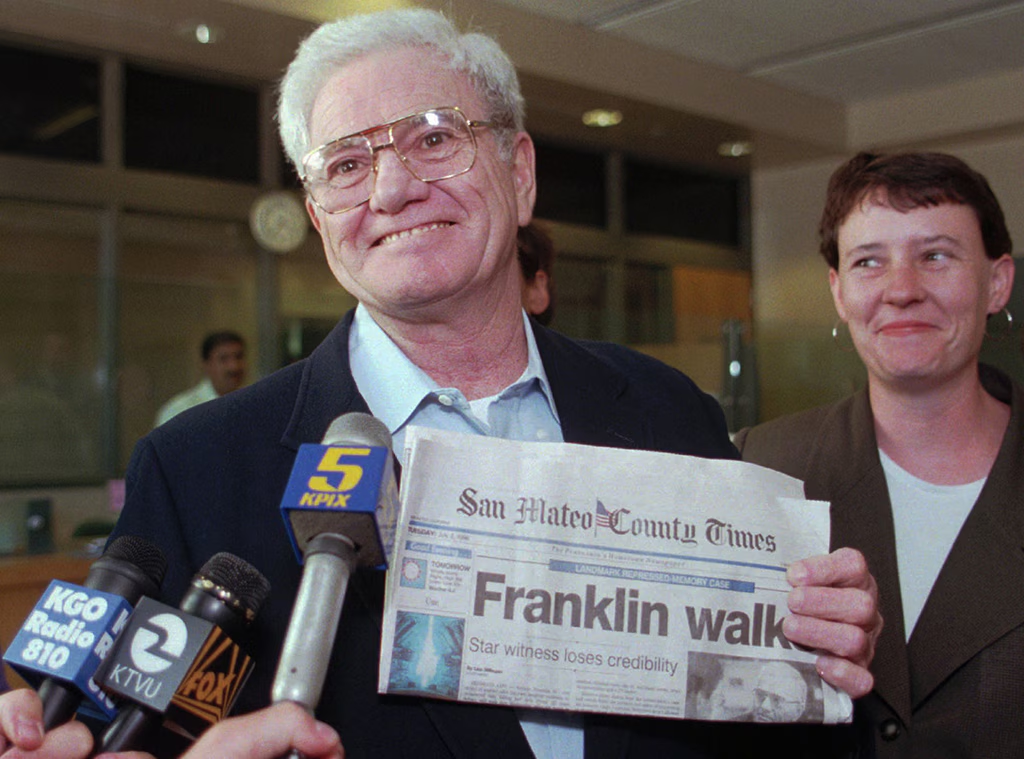
At first, she resisted the memory. Then she began talking about it with her therapist, her husband, and her siblings. She called the police six times between November of that year and the following months. During the last call, after confirming details from the case file that had never been made public, she said the name that would change everything: her father, George Franklin, a retired firefighter, had killed Susan. Franklin was arrested on November 28, 1989. A year later, a jury found him guilty of first-degree murder. It was the first time in U.S. legal history that a repressed memory had led to a murder conviction. The sentence did not stand. In 1995, a federal judge overturned it because of errors in the trial. And in 1996 came the final blow: her own sister, Janice, revealed that the two of them had lied under oath about using hypnosis to recover the memory. The laws at the time invalidated testimony based on memories induced by hypnosis, so prosecutors decided not to retry the case, and George Franklin was released in 1996. A case born from a memory ended up being destroyed by a confession.