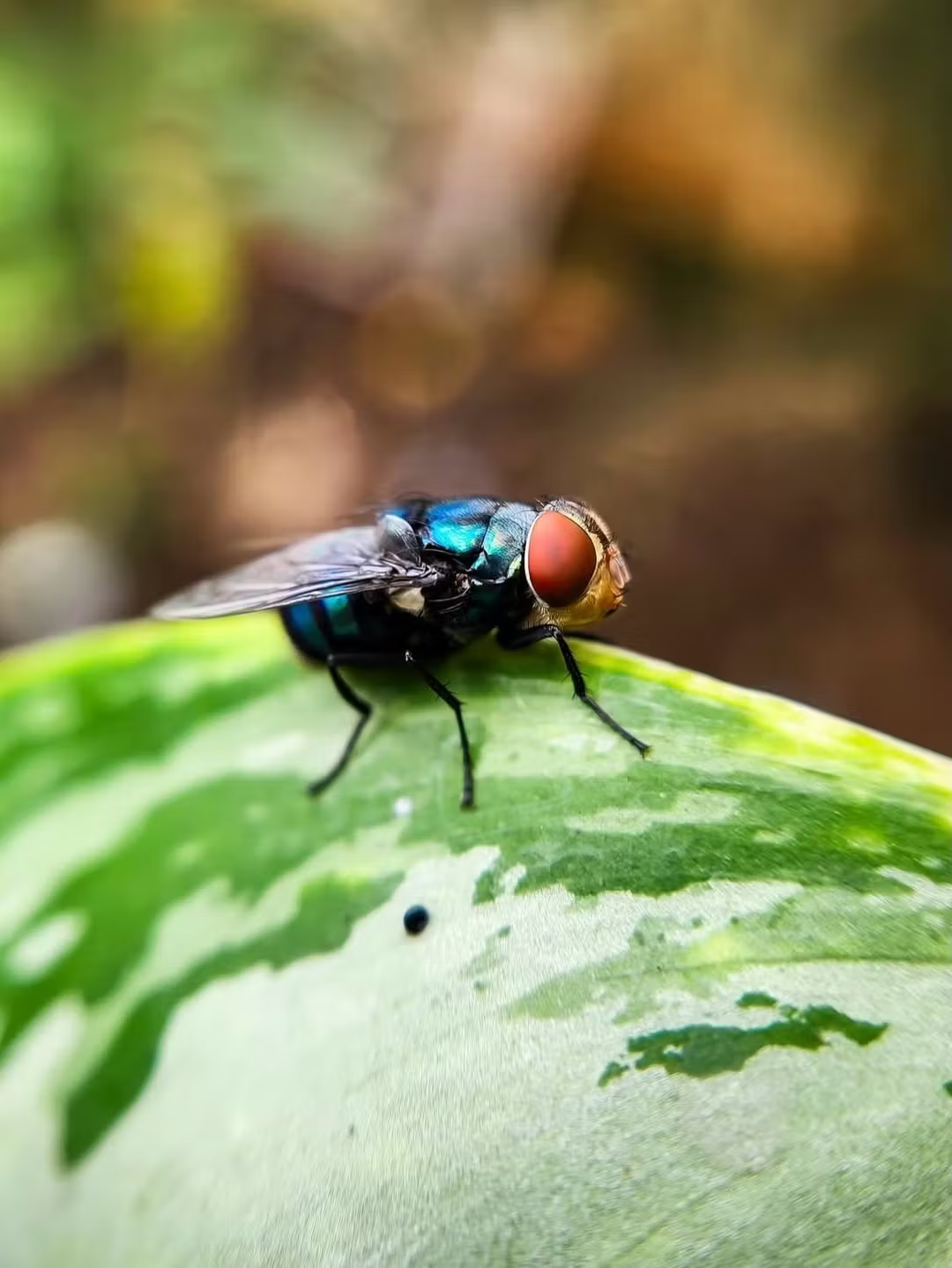
It does not feed on corpses. That is what sets the New World screwworm, Cochliomyia hominivorax, apart from almost any other known parasite: its larvae bore into and consume only living tissue.
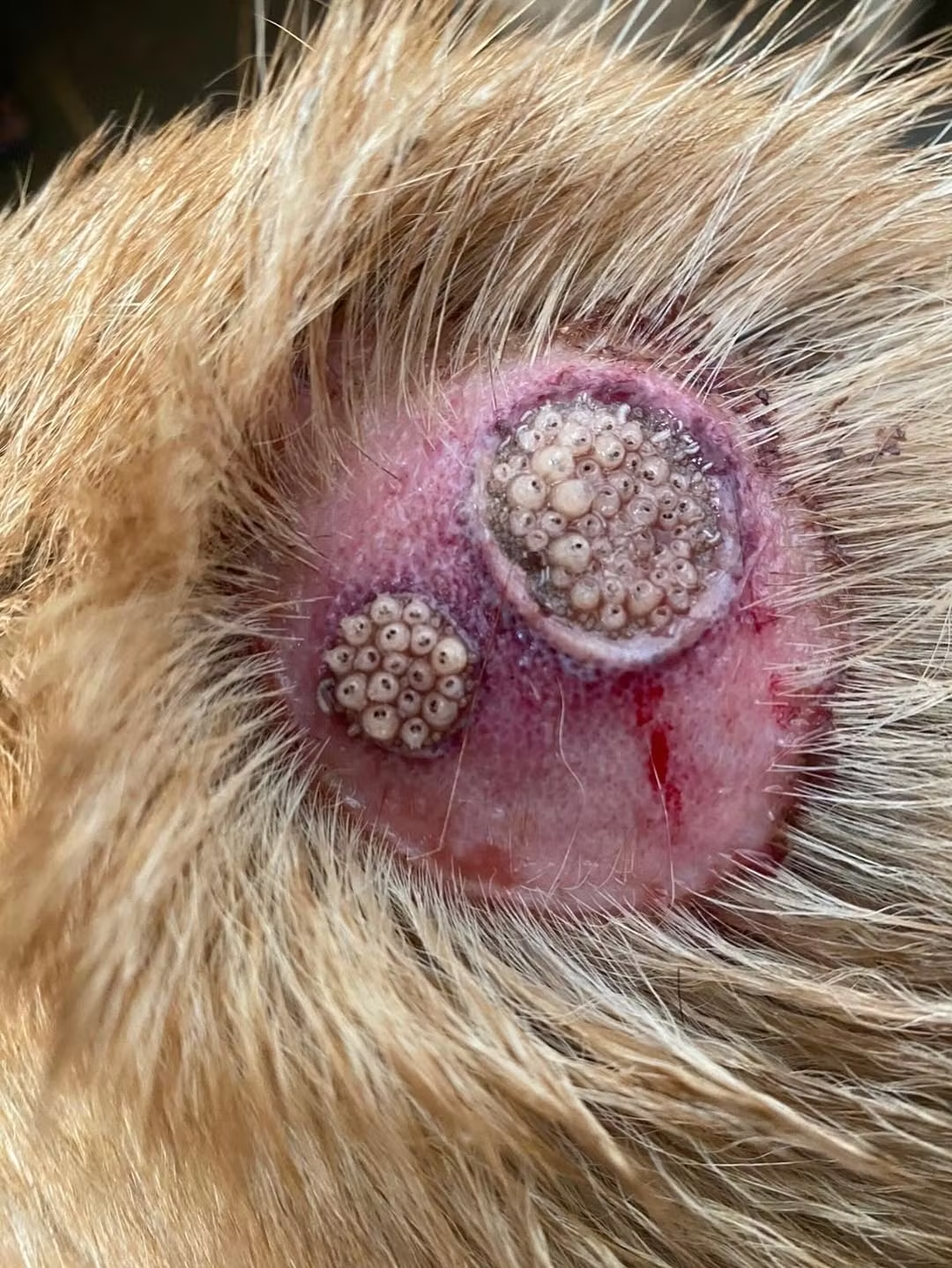
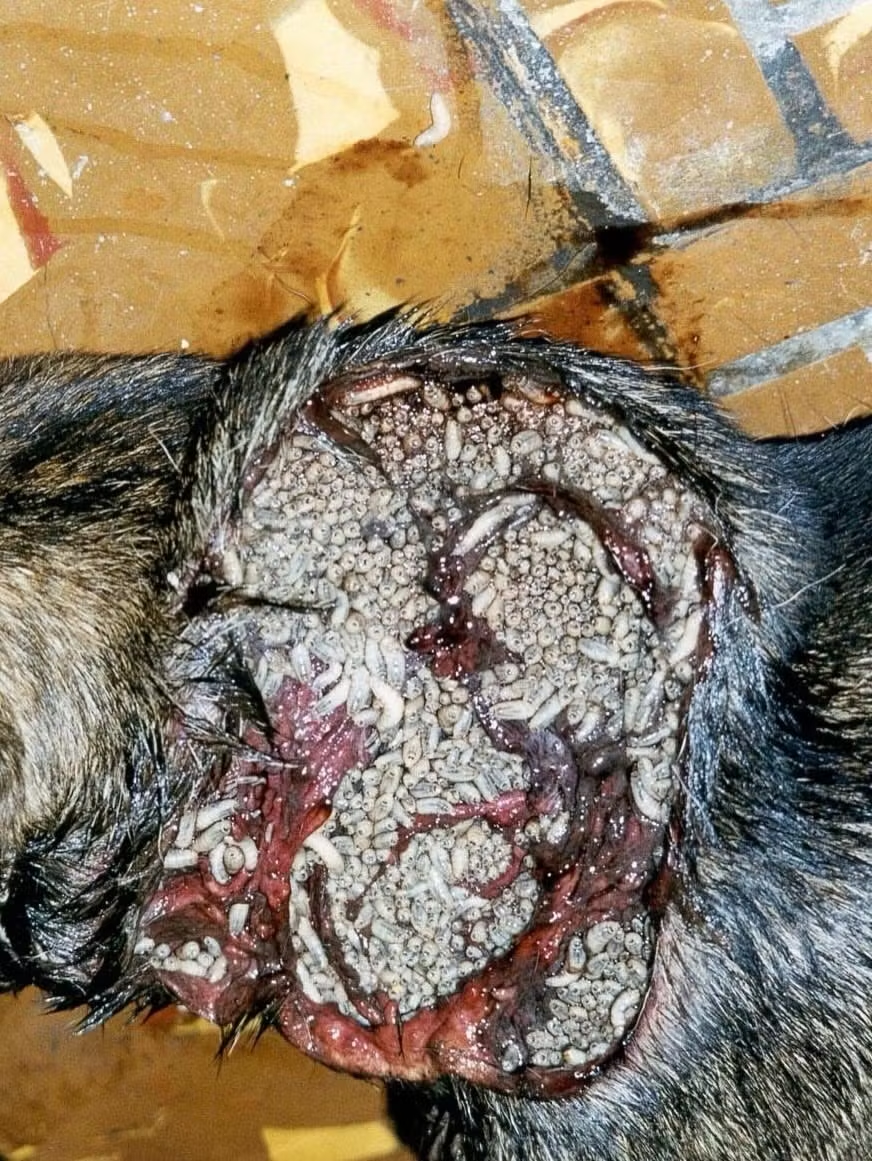
The cycle begins when a female fly lays her eggs on the edge of an open wound on any warm-blooded animal, including humans. Within days, the eggs hatch and the larvae spiral into the wound, passing through layers of muscle as they progress through three stages of development. If not detected in time, the infestation can become fatal. Once the larvae reach maturity, they leave the host, fall to the ground, bury themselves, and form a protective capsule called a pupa, from which they emerge as adult flies ready to infect new organisms.
The United States managed to eradicate this pest in the 1960s through the mass release of sterile males, taking advantage of the fact that the female mates only once in her entire life. For decades, a collaboration between the U.S. and Panama maintained the barrier in Darién. In 2023, the screwworm crossed it. By June 2026, it had already been detected in Texas, and the life cycle can be completed in as little as 24 days in semi-arid climates like Arizona’s.