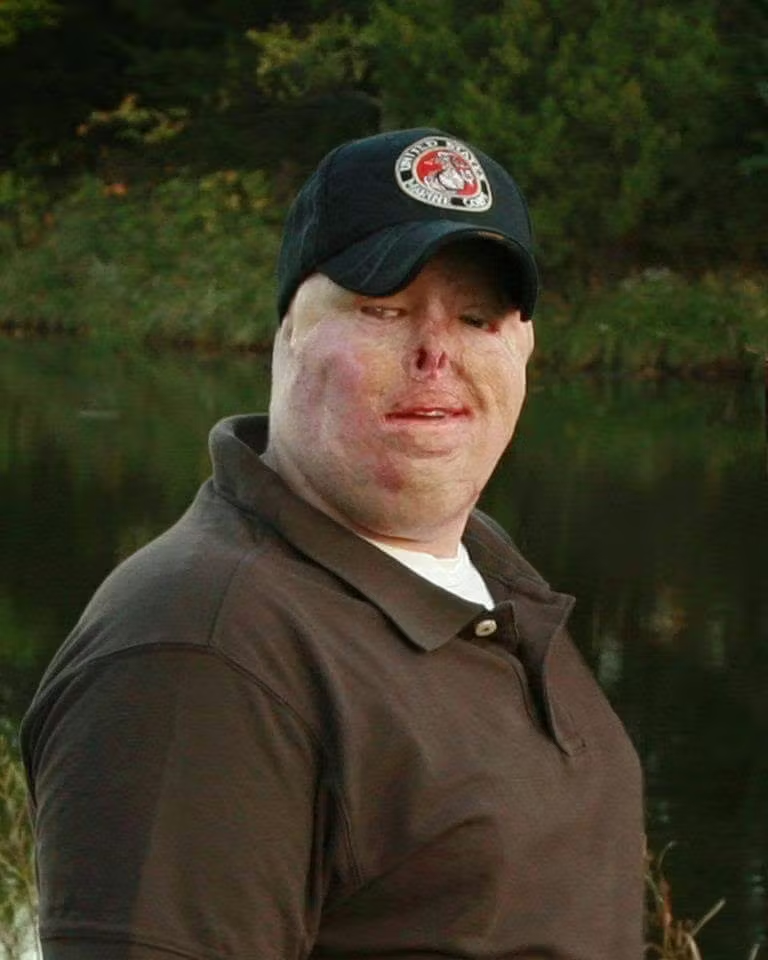
Tyler ‘Ty’ Ziegel was 22 years old when a bomb detonated next to his convoy on December 24, 2004. The attack tore off his left arm below the elbow, three fingers on his right hand, the vision in one eye, and burned 40% of his body. The flames destroyed his ears, his nose, and his lips. What remained of his face became, unwillingly, the most brutal symbol of the human cost of that war.
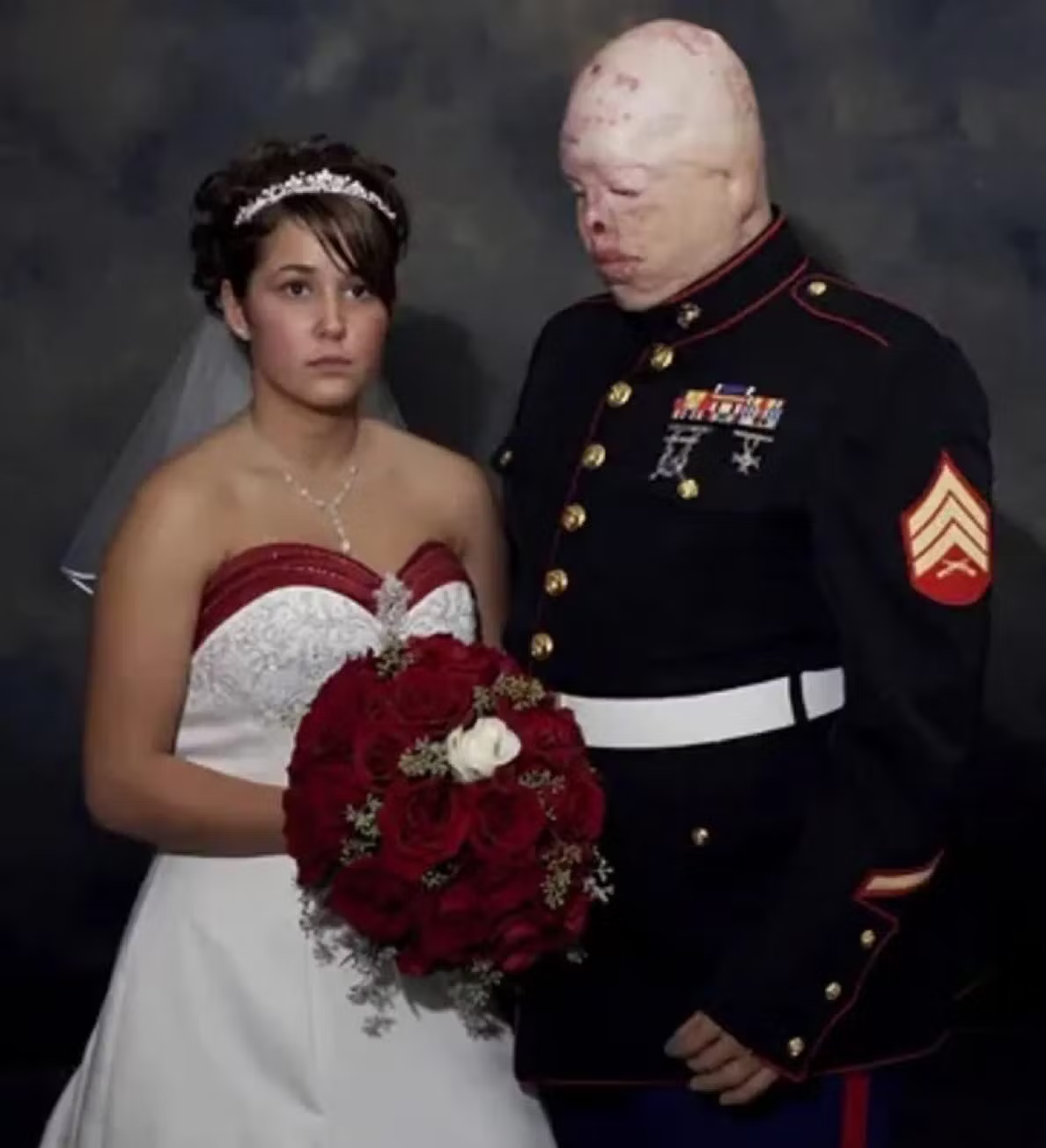
In 2006, Ziegel married Renée Kline at the altar. Photographer Nina Berman captured that moment: him in his Marines uniform, his face reconstructed, a smile impossible to decipher. The image won the World Press Photo that year and went around the world. But behind that photo was a reality no award could cover up: Tyler could not work, depended on benefits from the Department of Veterans Affairs, and the system repeatedly failed in its payments. The marriage did not survive the following year.
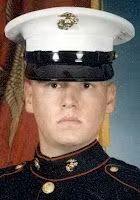
He died on December 26, 2012 at OSF Saint Francis Medical Center in Peoria, Illinois. He was 30 years old. The real cause, later confirmed by the county coroner, was an overdose of oxycodone and alcohol — the same opioids prescribed to him to manage the pain that his country never truly finished treating. Two thousand flags were placed on the streets of Metamora, Illinois, in his honor. The government that did not know how to care for him did know how to bury him.