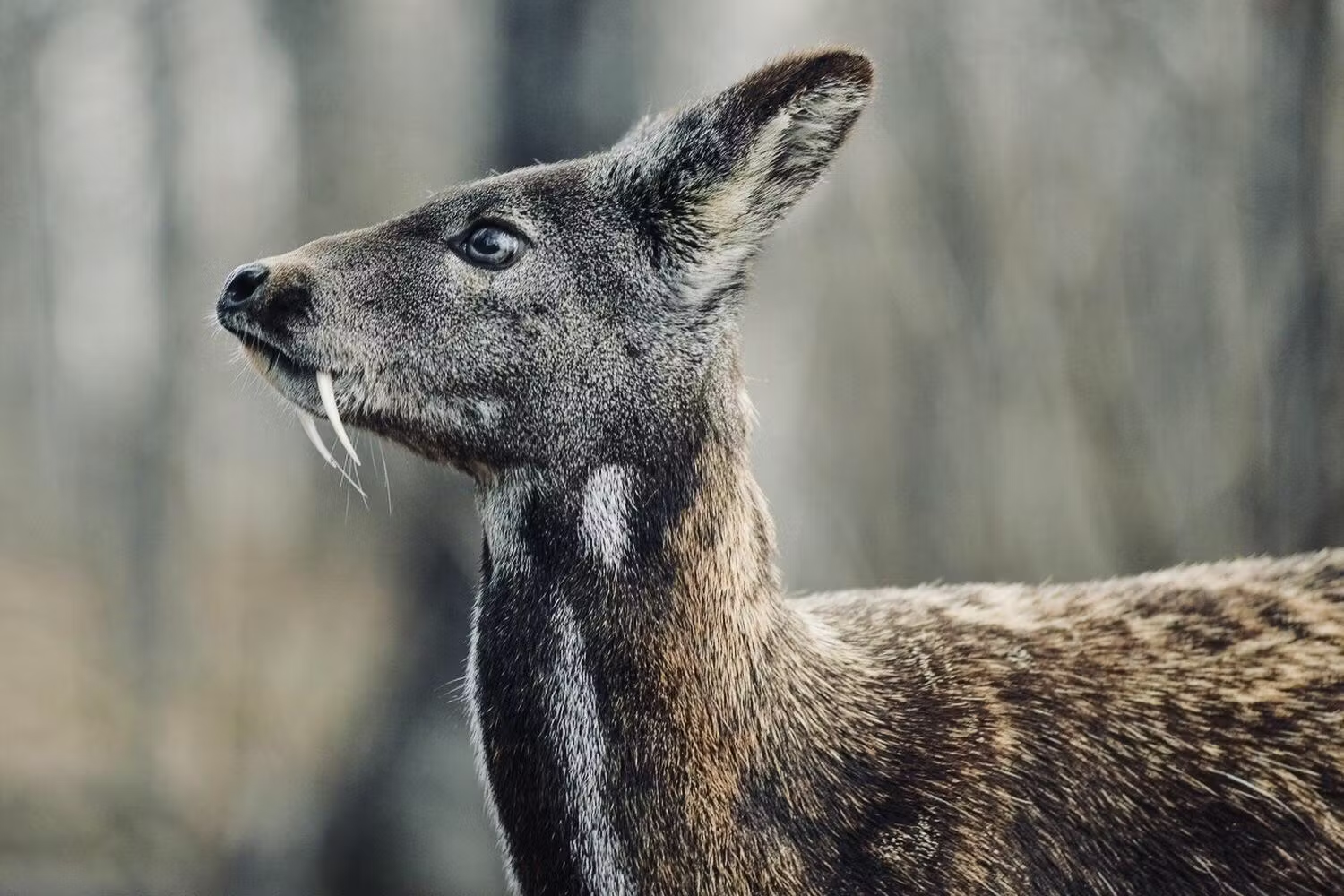
At more than 3,000 meters above sea level, in the mountains of Neora Valley National Park, a camera trap captured something no one had photographed in nearly 70 years: a Himalayan musk deer with two visible fangs protruding from its snout.
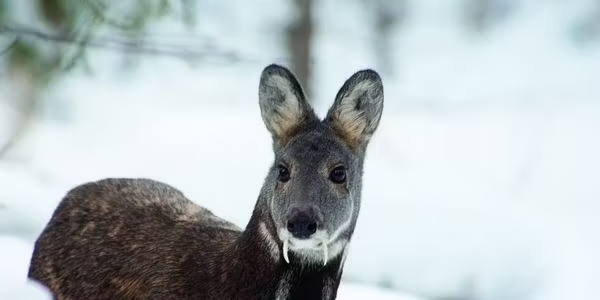
The discovery took place in West Bengal, India, during a national wildlife monitoring program. Researchers suspected the species still inhabited that area, but there was no recent evidence to confirm it. The image changed that with a single click.
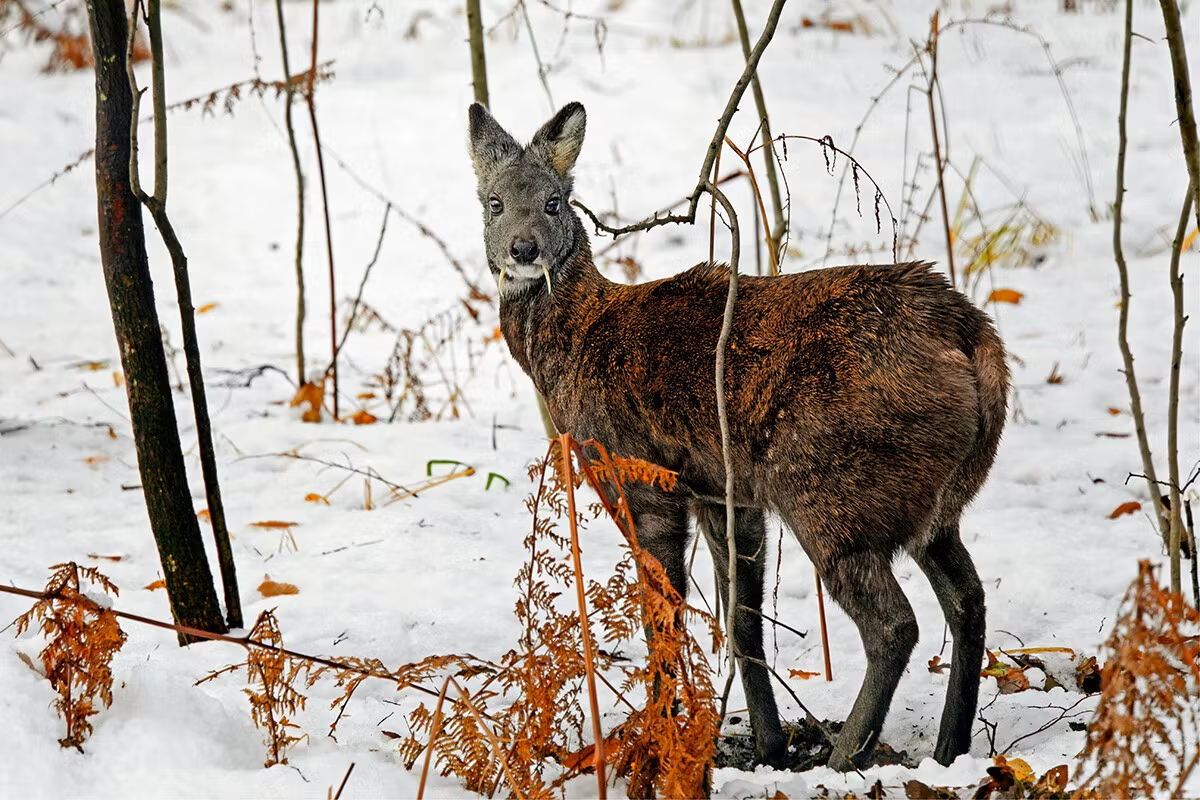
This species is classified as endangered due to poaching —its musk gland is targeted— and the constant loss of its natural habitat. For conservationists, the photograph is not just a curiosity: it is proof that these high-altitude forests in northern Bengal are still worth protecting, and that constant monitoring can continue to reveal surprises.