
At first glance, it may look like a prosthesis, but it is not. Krukenberg’s procedure is a technique that transforms the forearm of an amputee into a kind of pincer capable of grasping objects while preserving some sensation.
The procedure was developed by German surgeon Hermann Krukenberg during World War I. The idea was to offer a functional alternative to people who had lost their hands: instead of completely covering the stump, the radius and ulna are separated and turned into two mobile structures that can open and close like a pincer.
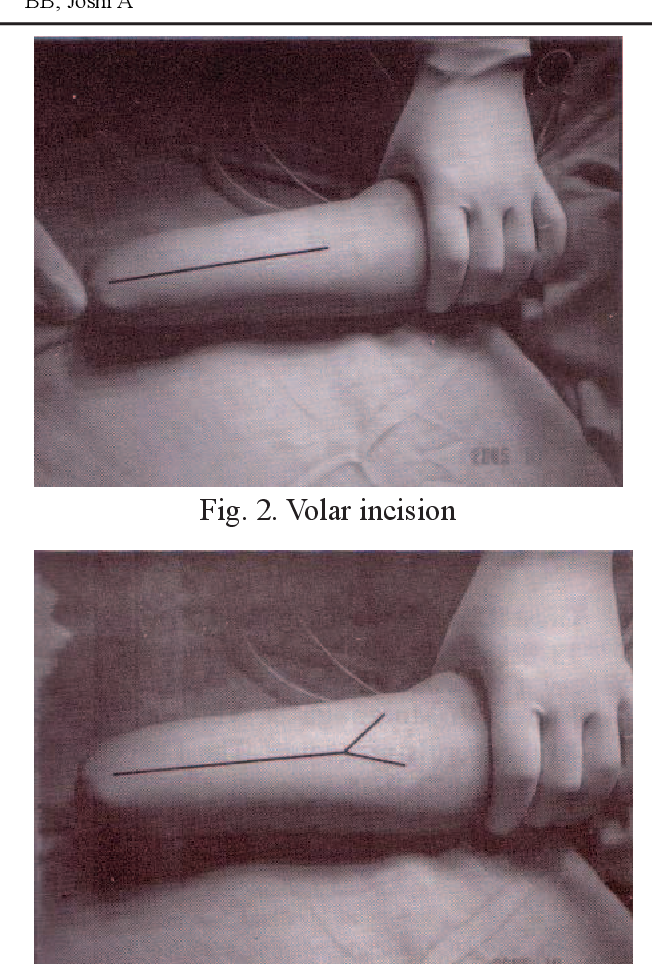
One of the main differences from a conventional prosthesis is that the patient can preserve the sensitivity of the tissue. This means that, in addition to using the new structure to hold objects, they can perceive contact and control the movements using sensations coming from their own body.
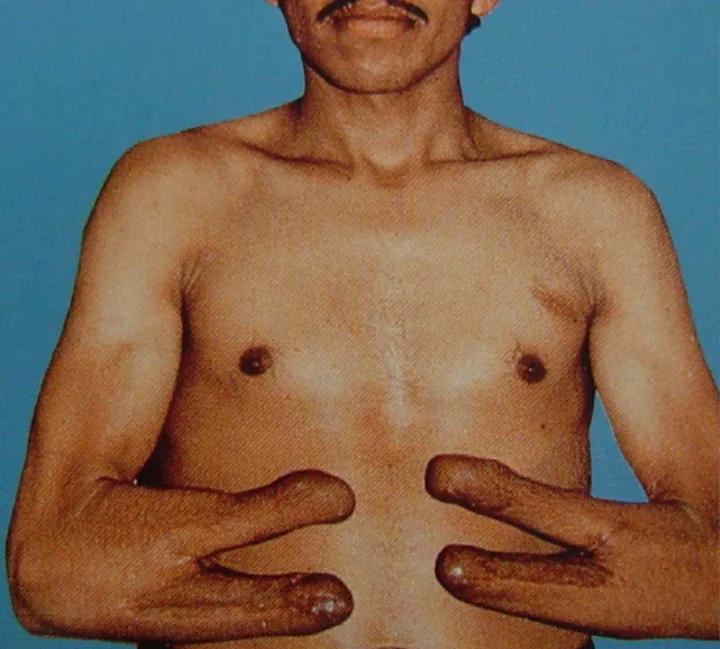
Although it was developed more than a century ago, the technique did not disappear. In 1998, for example, the procedure was used in Freetown, Sierra Leone, where 15 operations were performed on 11 patients who had suffered amputations during the civil war. After three months, all the patients evaluated could eat and drink independently, and three quarters had regained some degree of dexterity.
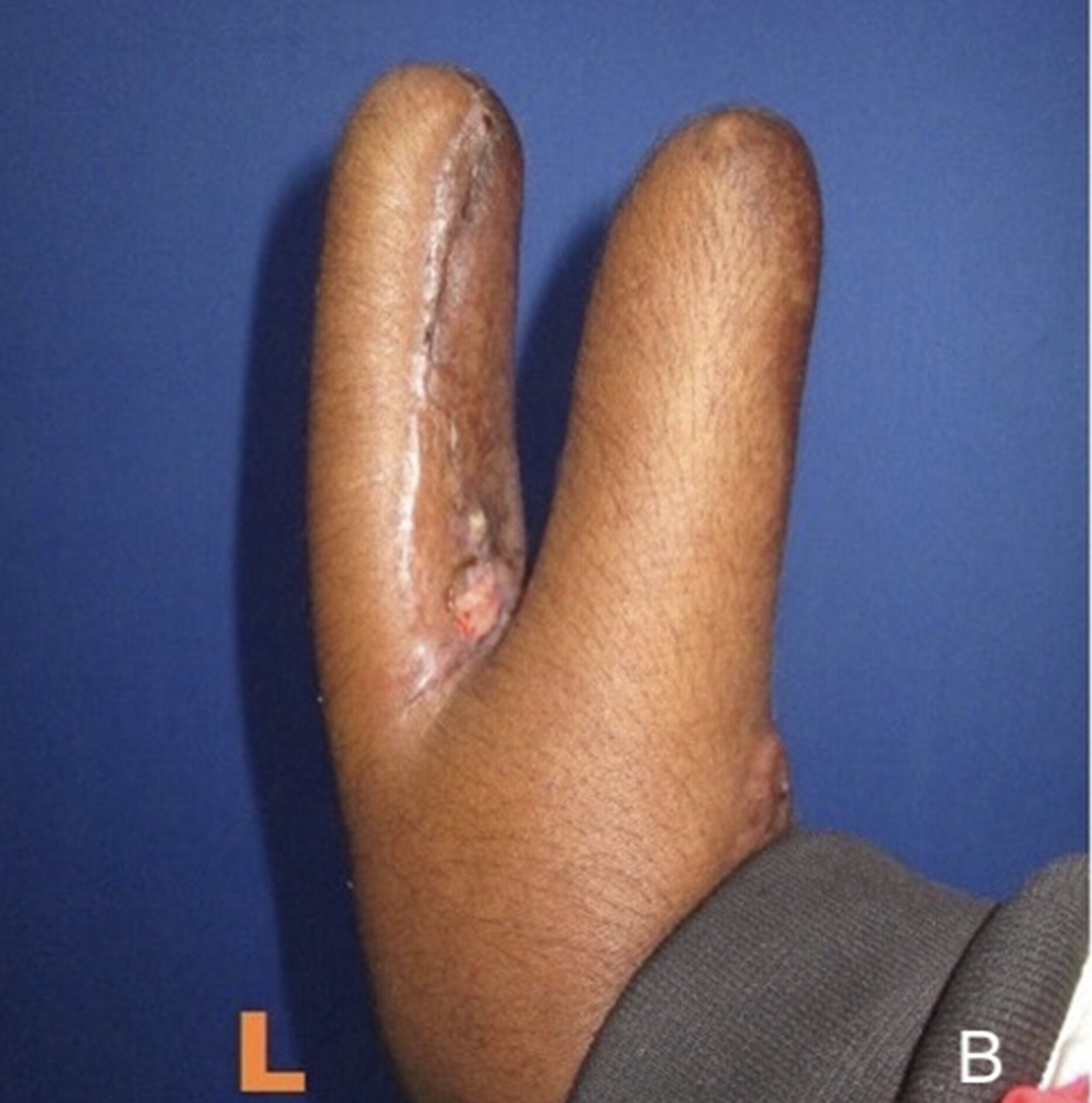
The operation is also still used in certain cases in countries such as Cambodia. A study published in 2024 analyzed patients who had lost their hands due to electrical burns and found that the procedure could provide them with useful function.
Its appearance is very different from that of a traditional hand, which is why the technique can be striking when seen for the first time. However, its goal was never to imitate a hand from an aesthetic standpoint, but rather to restore something much more basic: the ability to grasp, feel, and once again perform everyday tasks after an amputation.
More than 100 years after its creation, Krukenberg’s procedure remains an example of how a solution developed in the midst of a war can find use decades later, especially in places where sophisticated prostheses are not always available.