
In January 2023, Patrick Clancy returned to his home in Duxbury, Massachusetts, and found his three children gravely injured. Cora, 5; Dawson, 3; and Callan, just 8 months old, died after their mother, Lindsay Clancy, strangled them, according to the indictment.

The woman also attempted to take her own life by jumping from a window and was left paralyzed from the waist down. Since then, her defense has maintained that she was suffering from a severe postpartum-related mental health crisis, specifically postpartum psychosis, in addition to the effects of several medications.

But the case sparked a huge divide. While many people demanded that Lindsay be convicted, some feminist movements and organizations dedicated to maternal mental health came to her defense, arguing that postpartum psychosis can cause extreme episodes and that mothers need medical care before reaching a crisis.
Amid that debate, Patrick’s words surprised many people. Although he had lost his three children, he publicly asked people to forgive his wife.
“I want to ask everyone to find within themselves the capacity to forgive Lindsay, as I have done”, he wrote.
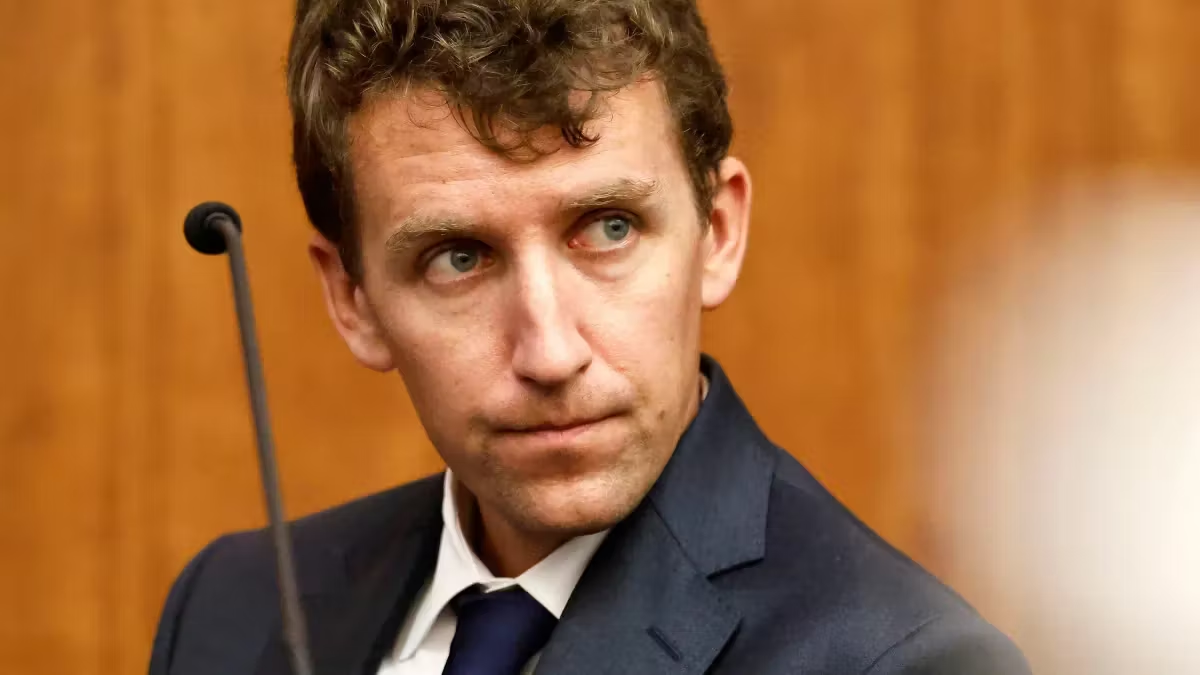
He also assured people that the woman he knew had been loving and caring toward him, her children, her family, her friends, and her patients.
“I wasn’t married to a monster. I was married to someone who became ill”, he later explained.
His stance did not mean that he denied the deaths of his children or that the case had been resolved. In his own words, it was a way of trying to understand what had happened and move forward with a pain that is difficult to imagine.

The trial recently ended without a unanimous verdict, so Lindsay continues to face charges. The case continues to spark discussions about criminal responsibility, mental health, and the limits of forgiveness.

And it leaves one especially difficult question: can a person forgive the person who caused them the worst loss of their life, even when the rest of the world is unwilling to do so?