
There are jobs so abusive that the body ends up paying the price. In Beed, India, many women who cut sugarcane have undergone hysterectomies so they won’t miss work because of menstruation, pregnancies, or miscarriages. Not because they “want to”, but because the system pushes them to keep working as if resting were not an option.
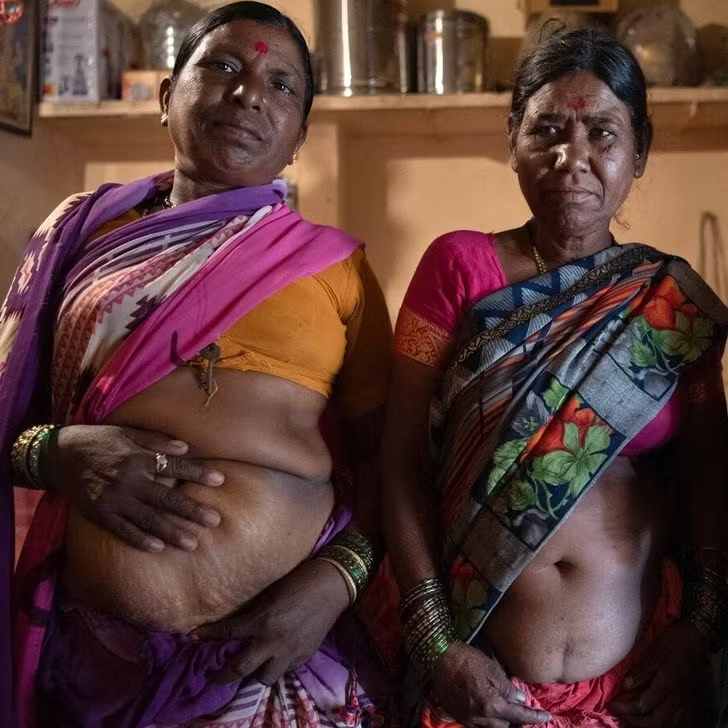
Most of them work under extremely harsh conditions. They spend months away from their homes during the harvest season, getting up before dawn and working shifts that can stretch for more than 12 hours in sweltering temperatures.
Under the “jodi” model, many couples fall into debt and work up to 14 hours a day, without vacations or real protection. If they miss work because of illness or a family emergency, they can face deductions, fines, or greater debts to the contractors who employ them.
In that context, some women end up seeing menstruation as a labor problem rather than a natural function of their bodies. Activists and organizations have denounced for years that many receive incomplete information about the consequences of a hysterectomy or are pressured to consider the operation as a practical solution to keep working without interruptions.
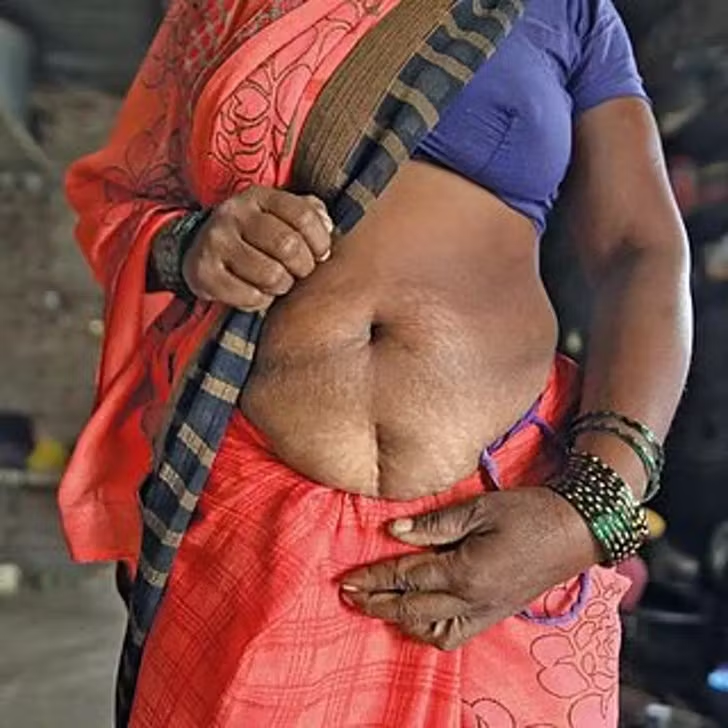
In 2019, an investigation revealed more than 13 thousand hysterectomies in the district, while activists denounce a lack of hygiene, medical pressure, and few concrete reforms.
In the end, the most brutal thing is not just the operation. It’s that for many, losing the uterus seems less costly than losing a day of work. 💔