
They chose him as archbishop of San Salvador because he did not cause problems.
Óscar Romero had a reputation as a quiet man, one of those who did not raise his voice in meetings. In 1977, with El Salvador on the brink of civil war, that worked in his favor. The Church needed someone who would not make anyone uncomfortable. Romero seemed like the perfect candidate.
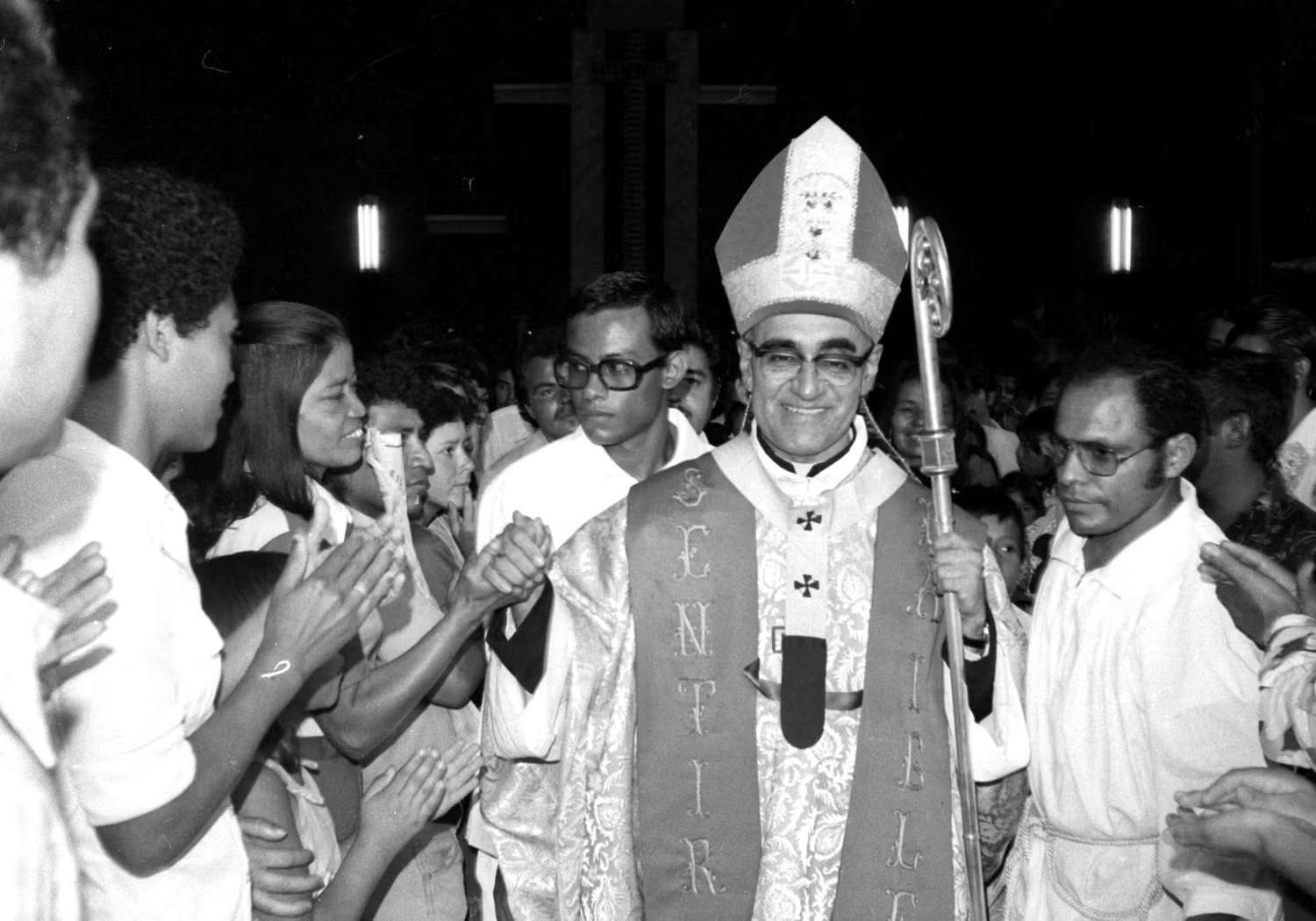
Something broke afterward. The murder of a priest close to him and the massacres against peasant communities pushed him into a place no one expected him to be. He began to speak. Every Sunday, on the radio, he told of what the government tried to hide: the disappeared, the bodies, the names.
On March 23, 1980, he delivered the homily that would become his sentence. Before giving it, he met with a close group, including the Jesuits Ellacuría and Estrada, to decide whether it was worth risking it once more. He decided to do it. Before the microphones, he called for the repression to cease.
A day later, on March 24, he was celebrating Mass in the chapel of La Divina Providencia hospital. A Volkswagen Passat stopped in front of the door. From the rear window, a man fired a single shot with a rifle.
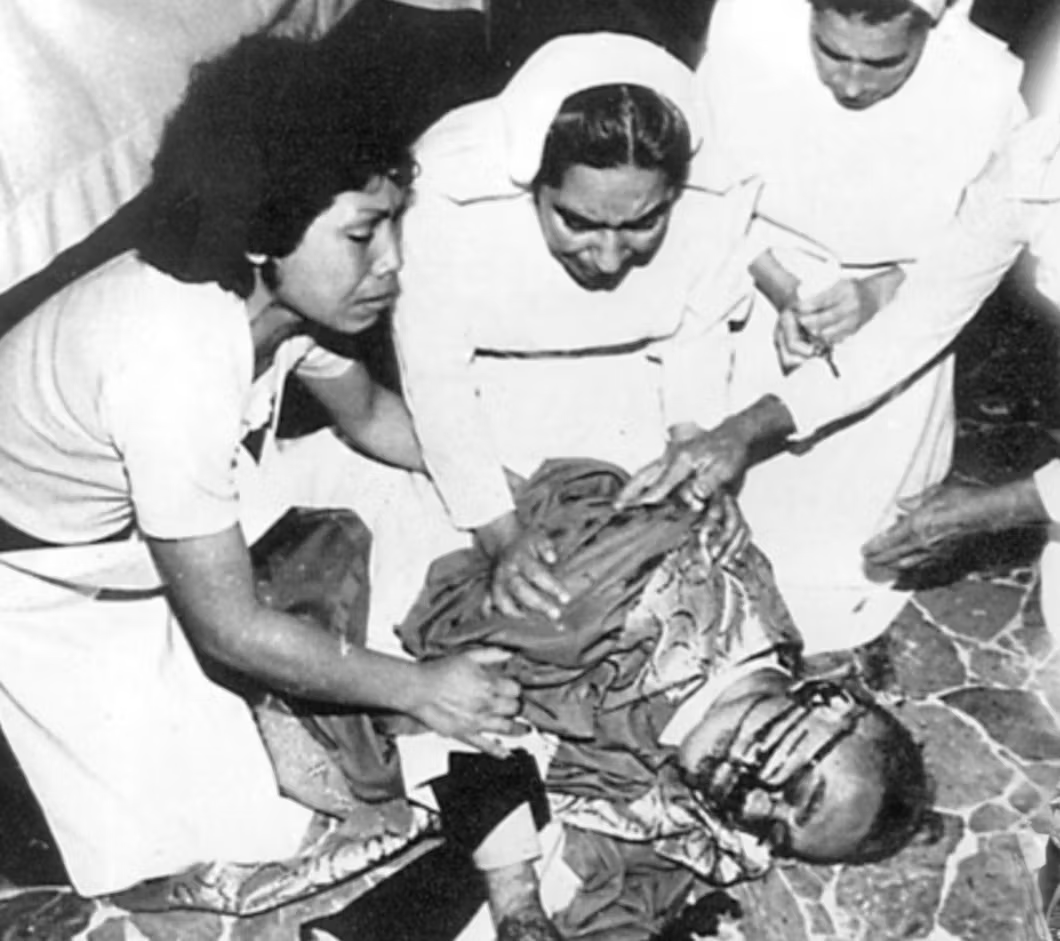
The bullet entered through his chest. It left a tiny mark, barely five millimeters, on the shirt and alb he was wearing. Those garments are now preserved in a museum, in the house where he lived his final years.
Photographer Eulalio Pérez García captured the complete sequence of those minutes. His images remained as the record the country could not erase. That shot is seen as the starting point of a civil war that lasted twelve years and left nearly one hundred thousand dead.
Romero was not born brave.
He became brave the day he could no longer look the other way.