
Some animals can go months without eating, but ticks are in a league of their own. Some species can survive up to eight years without feeding, remaining motionless as they wait for an animal or person to pass close enough to become their next source of blood. This extraordinary resilience is one of the reasons why these tiny parasites have managed to adapt to almost every corner of the planet.
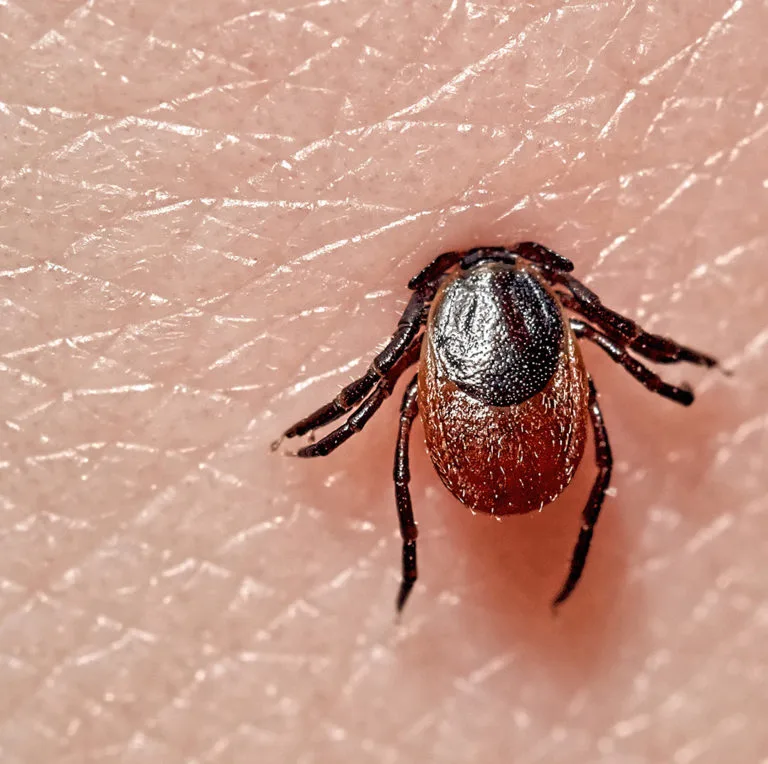
Most surprising of all is that this figure does not even represent the known record. In laboratory studies, researchers observed specimens of soft ticks that remained alive for 27 years, feeding only on rare occasions thanks to an extremely slow metabolism. During that time, they were able to conserve energy and withstand long periods of fasting, something virtually unthinkable for most animals.
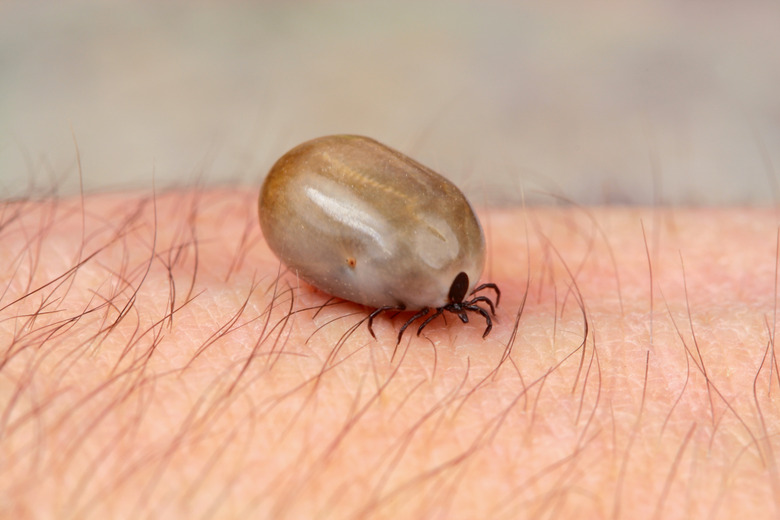
But behind this astonishing ability to survive also lies a health risk. Ticks can act as vectors for viruses, bacteria, and parasites, and some species transmit Lyme disease, an infection that can affect the skin, joints, nervous system, and even the heart if not treated promptly. That is why specialists recommend checking the body and clothing after walking through forests or grasslands, as well as protecting pets with preventive products.
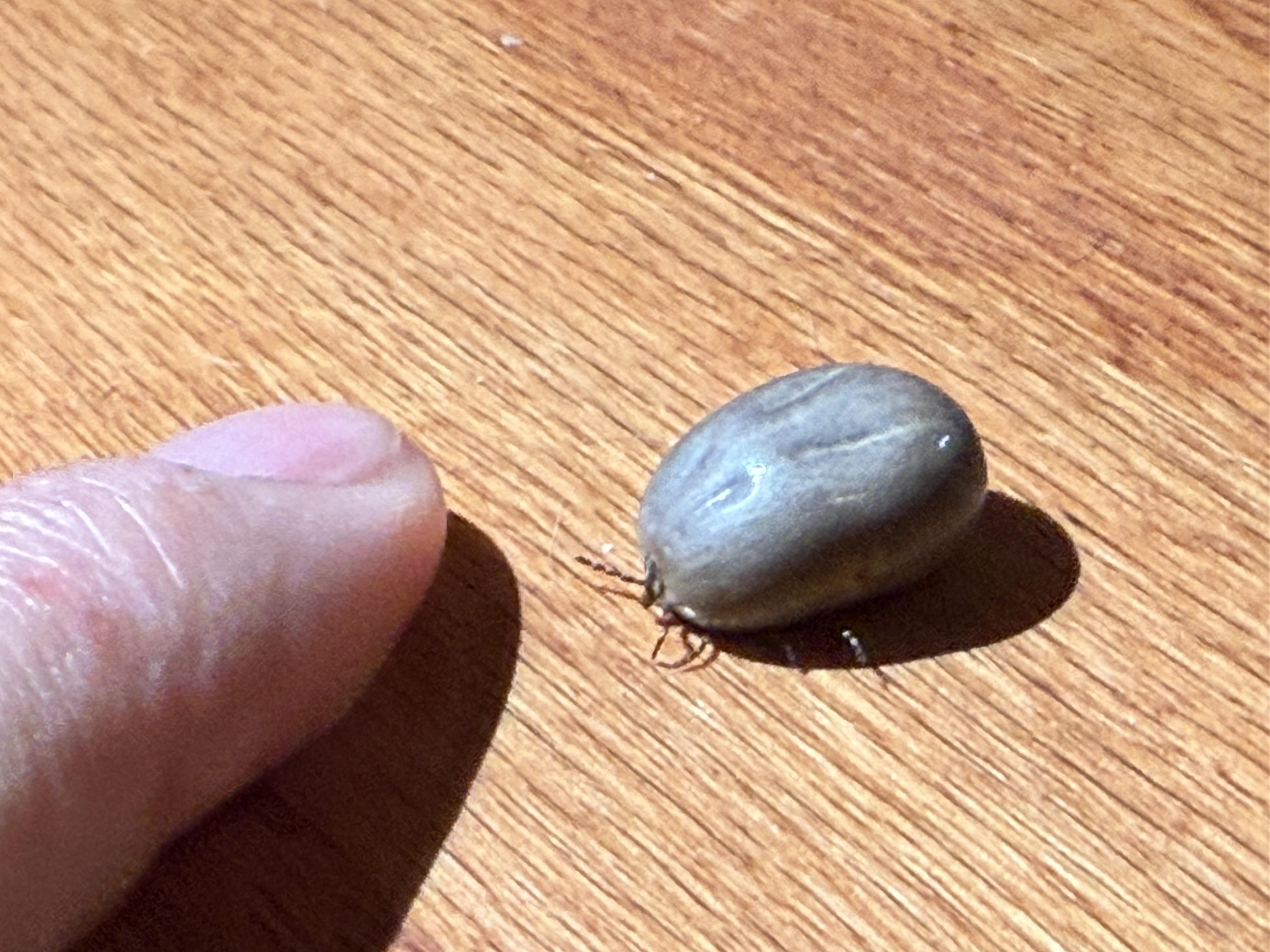
Although not all ticks transmit diseases and not all can survive for eight years without feeding, their extraordinary resilience explains why they are considered some of nature’s most successful parasites. Small, silent, and patient, they can wait for years for a single opportunity to feed again.