
There are surgeries the body simply never forgets. Marsupialization is one of them: a procedure that begins when wisdom teeth not only fail to come in properly, but also form a cyst around themselves, a fluid-filled sac that grows silently inside your jaw without you noticing.
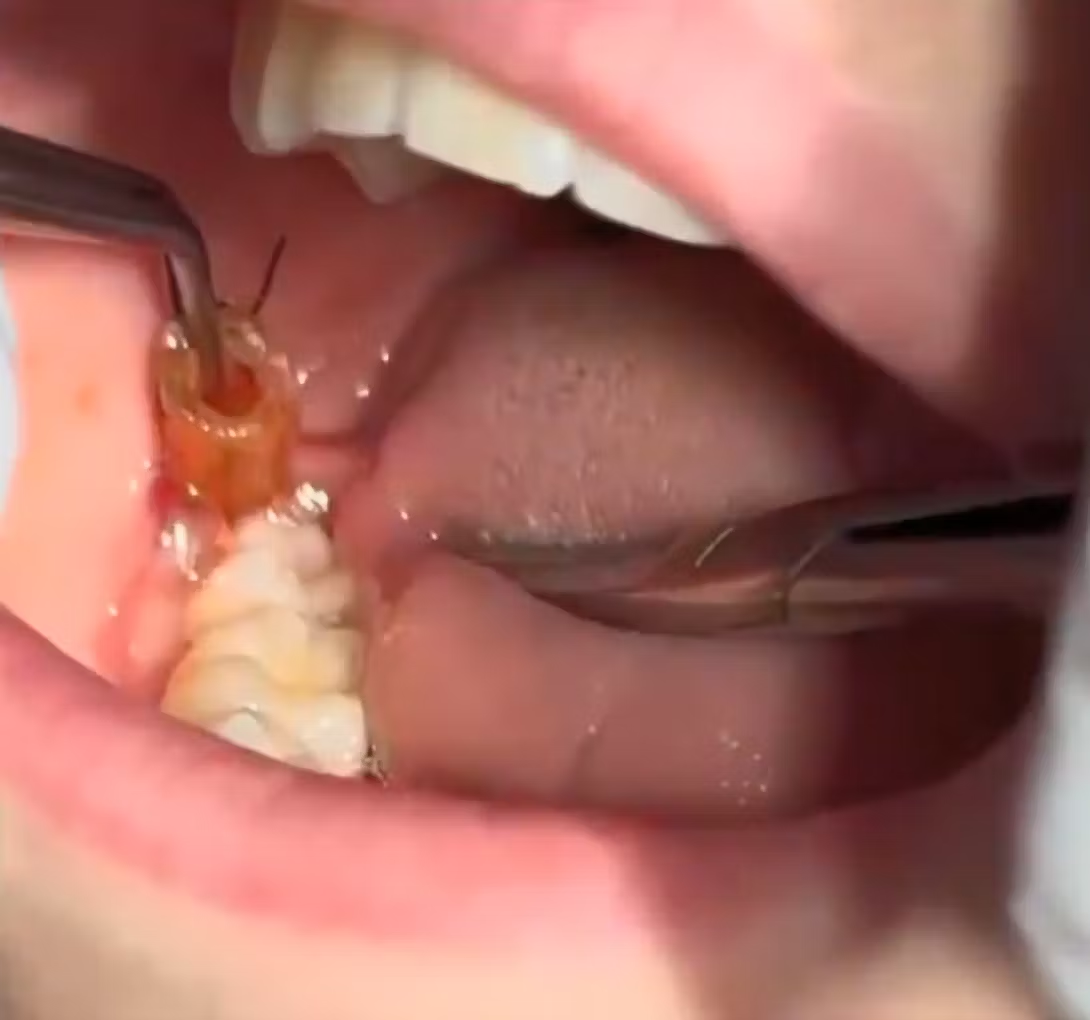
The surgeon makes a precise incision in the cyst, drains all the accumulated fluid, and then does something that may seem counterintuitive: instead of closing it, they suture the edges of the cyst wall directly to the surrounding skin. The result is an open, functional pouch, a kind of surgical pocket that the body accepts as part of itself. The goal is to prevent the cyst from filling with fluid again, allowing it to drain continuously to the outside.
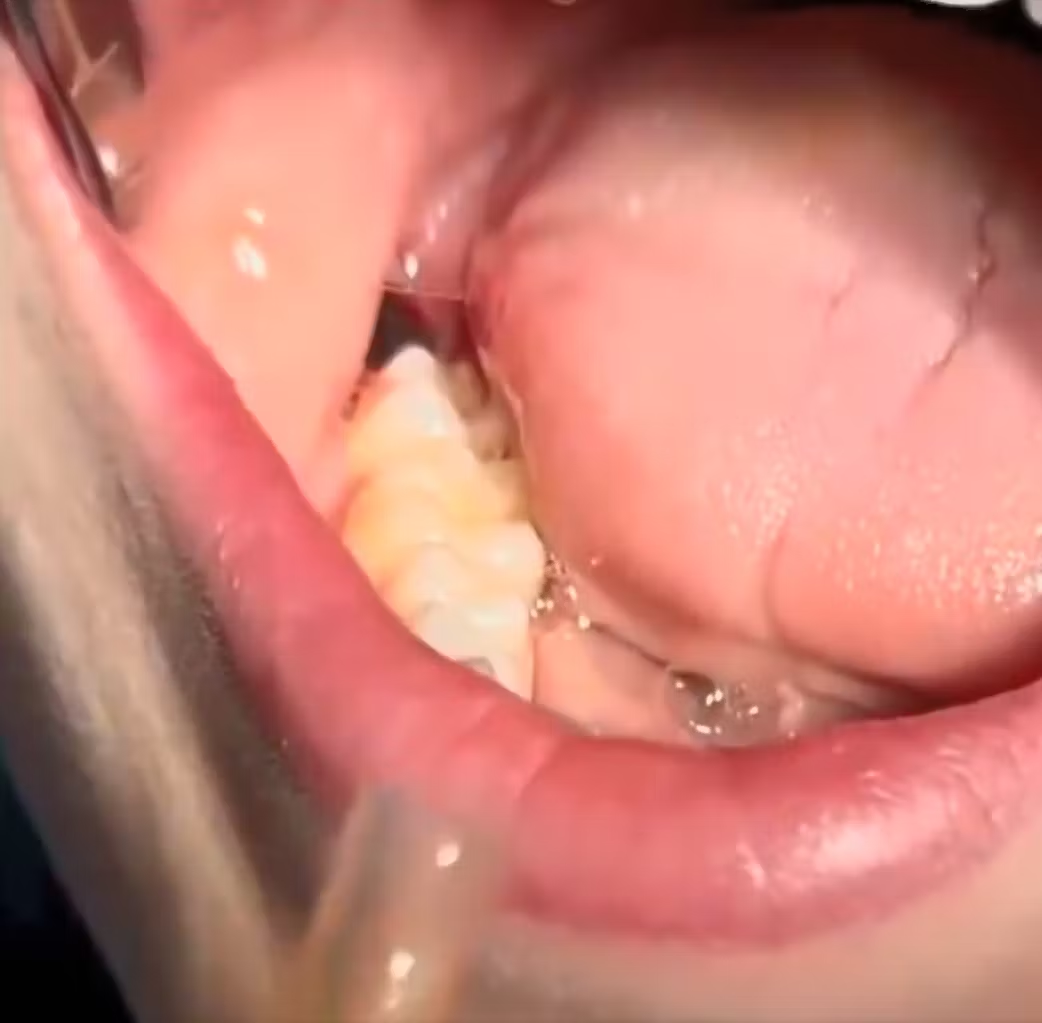
It is classified as minor surgery, but visual records of the postoperative period tell another story: exposed tissue, visible sutures, a bodily geometry that is no longer the one you knew. In cases where the cyst completely surrounds the wisdom tooth, marsupialization may be the step before a later extraction, or the definitive solution if the cyst responds well to sustained drainage.