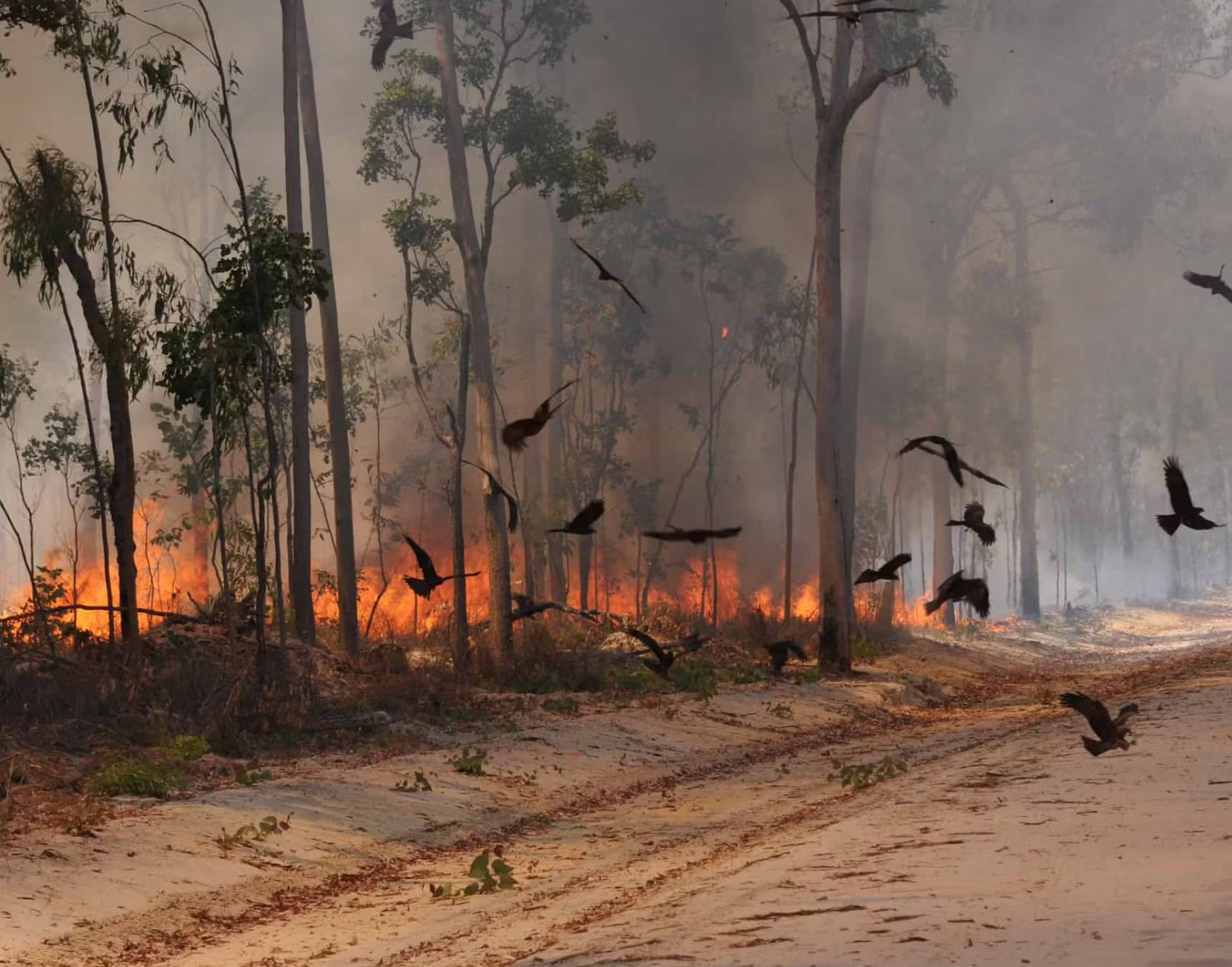
In Australia’s Northern Territory, three species of birds of prey—the black kite, the whistling kite, and the brown falcon—do something no other known wild animal does: they pick up burning branches with their talons or beaks and drop them in unburned areas.
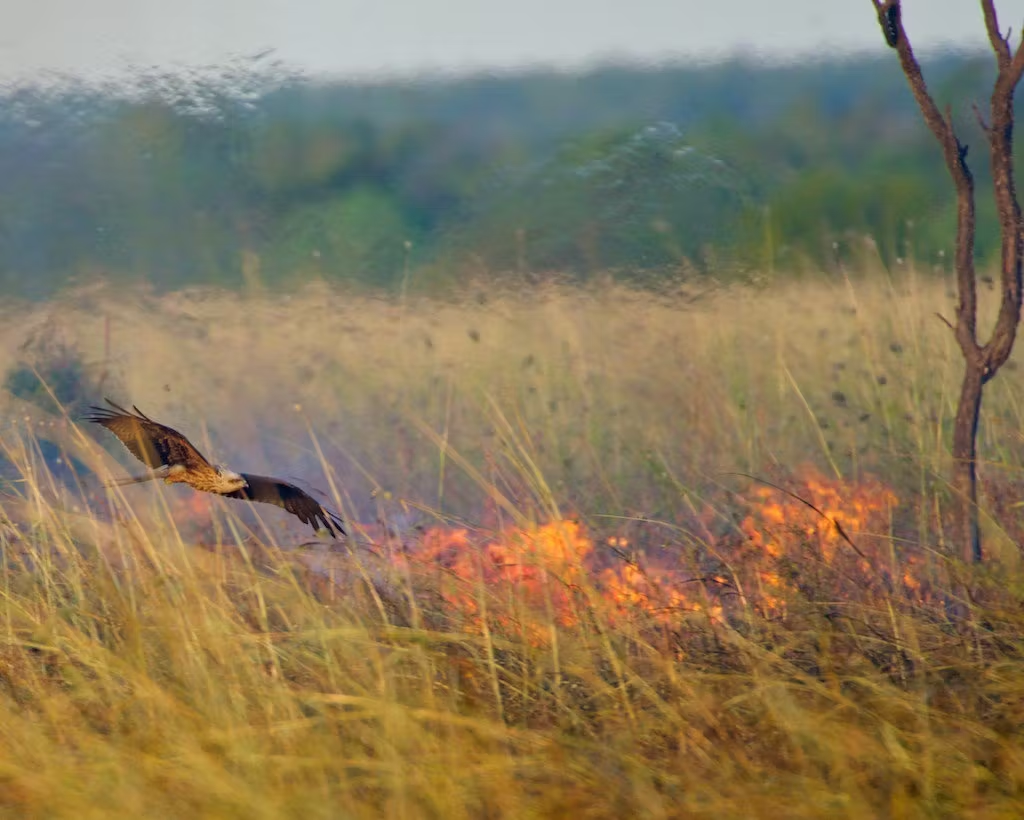
The goal is precise. By spreading the fire, they force insects, frogs, and small vertebrates to leave their hiding places, exposing them as easy prey. Ornithologist Bob Gosford, co-author of the study published in the Journal of Ethnobiology in 2018, described these birds as entering a true frenzy when they arrive at active fires. Former firefighter Dick Eussen recounted witnessing the exact moment: a whistling kite dropping a burning branch that set the grass alight near Kakadu.
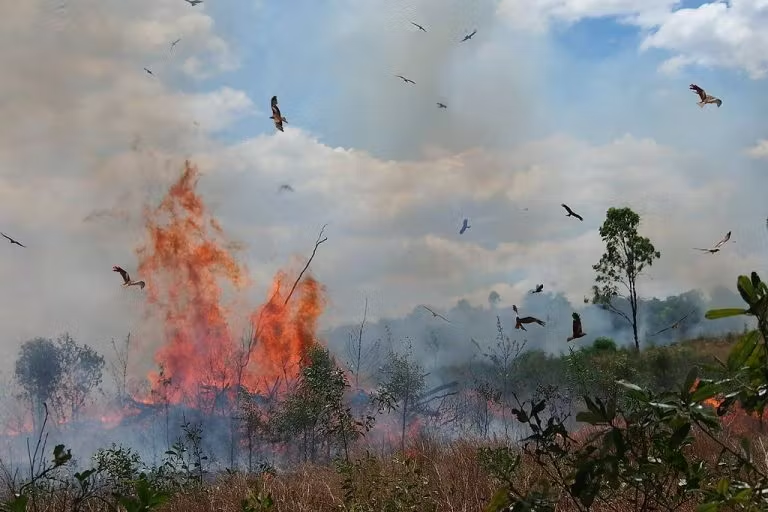
Most notably, this knowledge is not new to everyone. Australian Aboriginal peoples had already spoken of this behavior in accounts such as that of Waipuldanya, recorded in 1963. Science has only just caught up with what Indigenous observation documented generations earlier.