Glenn Perkins, a 55-year-old former firefighter who struggled with alcoholism, died after years of ordering drinks for home delivery through apps like Uber Eats.
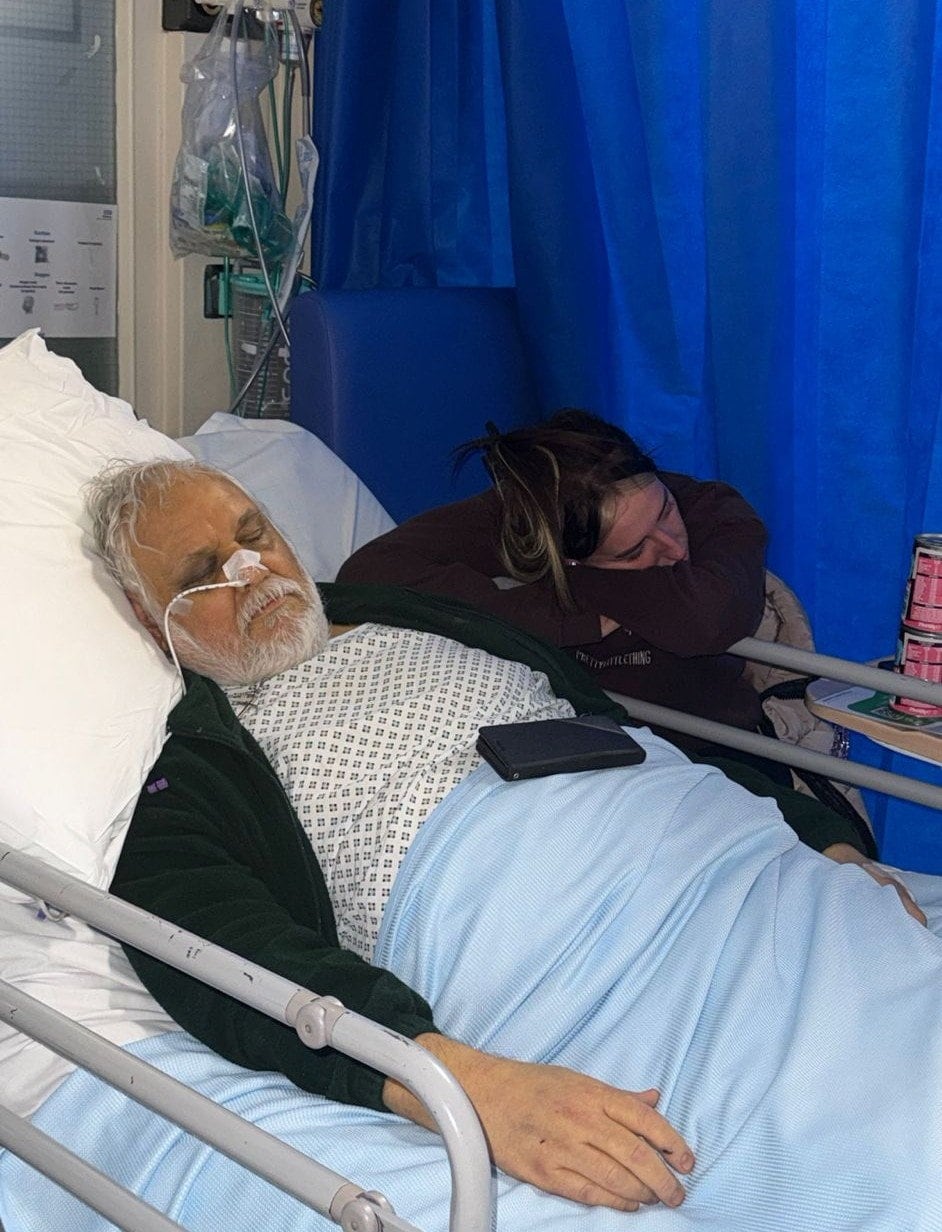
His daughter, Connie, argues that the ease of having alcohol delivered to his doorstep accelerated his physical and mental decline: “If it weren’t for Uber Eats, I think my dad would still be here,” she said.
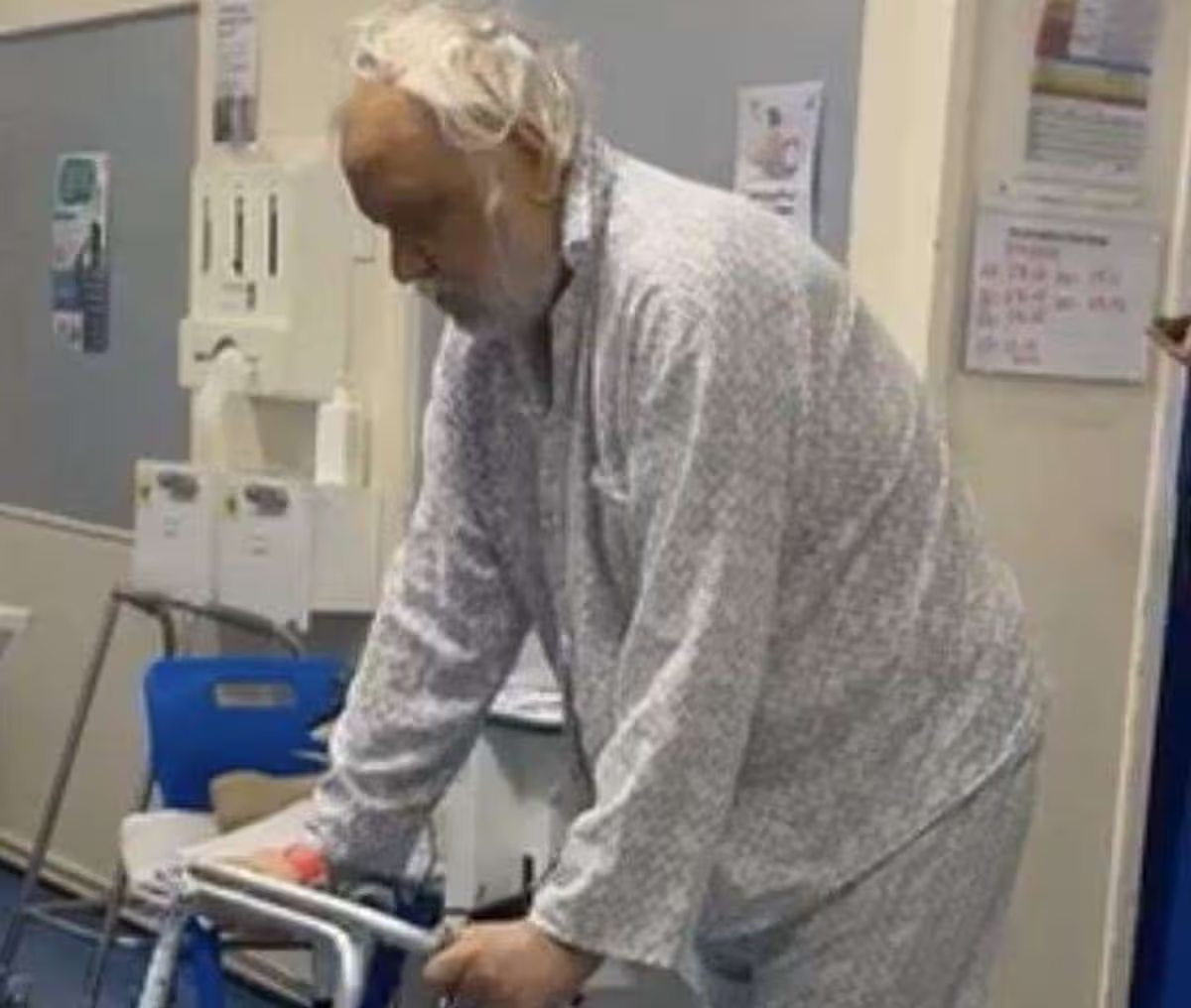

According to the report, Glenn spent up to $77 a day on orders, even during his worst health crises.


The company has responded by strengthening its protocols: now, delivery drivers must verify identity and carry out mandatory sobriety checks, in addition to allowing account blocks. Even so, the debate remains open. Is it the responsibility of delivery platforms to protect their users’ health, or should the limit be set solely by the consumer?