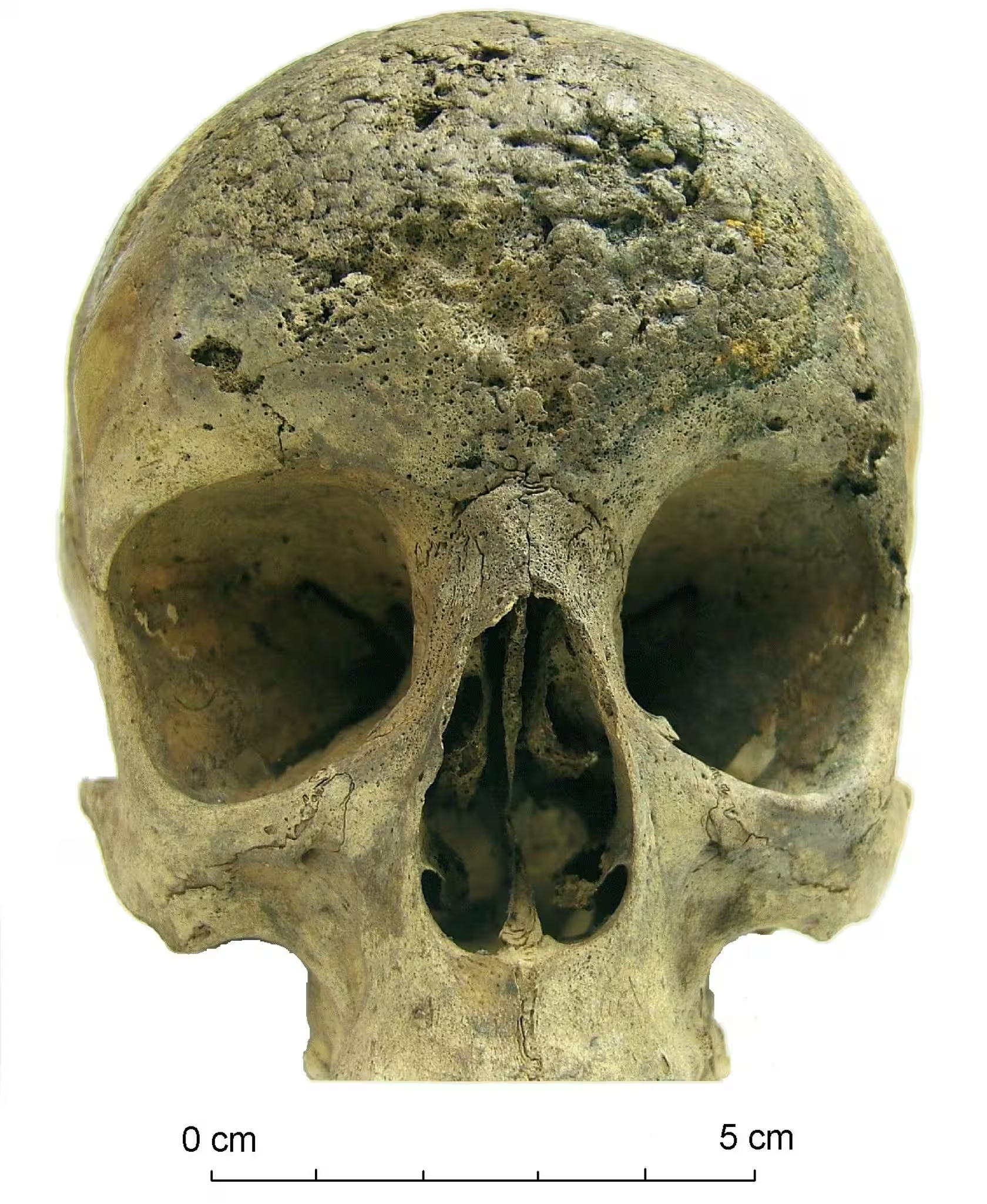
Treponema pallidum gives no warning. Silently, if syphilis progresses without treatment to its tertiary stage, the bacterium stops limiting itself to soft tissues and begins to eat away at bone.
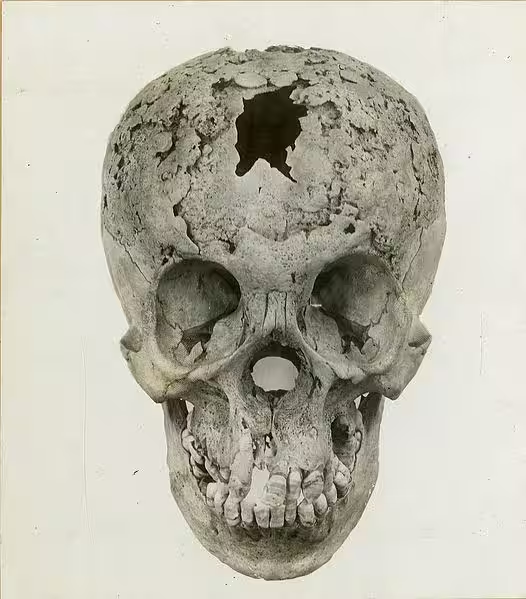
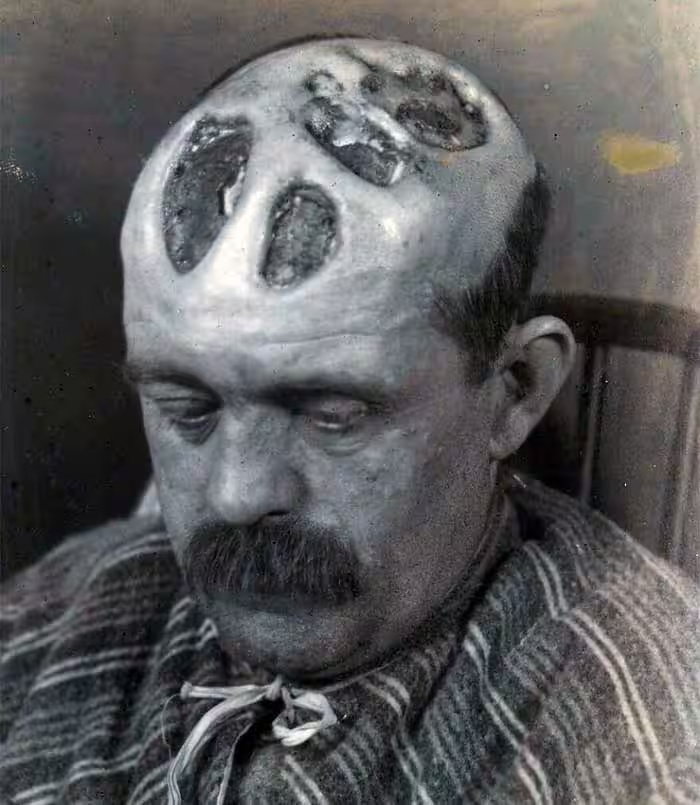
The damage has a technical name: syphilitic gummas and caries sicca. Gummas are destructive lesions that form in bone tissue and cause progressive necrosis. Under a microscope or in imaging studies, the affected skull shows multiple actual perforations that pathologists describe as having a “moth-eaten” appearance. It is not a metaphor: they are holes in the cranial bone. When the bony barrier gives way, the infection can open the door to neurosyphilis, a complication that directly affects the brain and central nervous system, with consequences ranging from cognitive decline to paralysis.

What is most unsettling is the window of opportunity that is lost: a full course of penicillin in the initial stages completely stops the progression. Syphilis is a treatable infection. The problem is that its first symptoms disappear on their own, and many patients assume the problem has been resolved.
Note: this content is for informational and educational purposes. It does not constitute a medical diagnosis or replace consultation with a healthcare professional.