
instead of showing the classic blue sphere we know from space, the new 3D model seemed to reveal a strange planet, full of enormous deformations, as if Earth were a gigantic irregular mass.
But reality is much more fascinating.
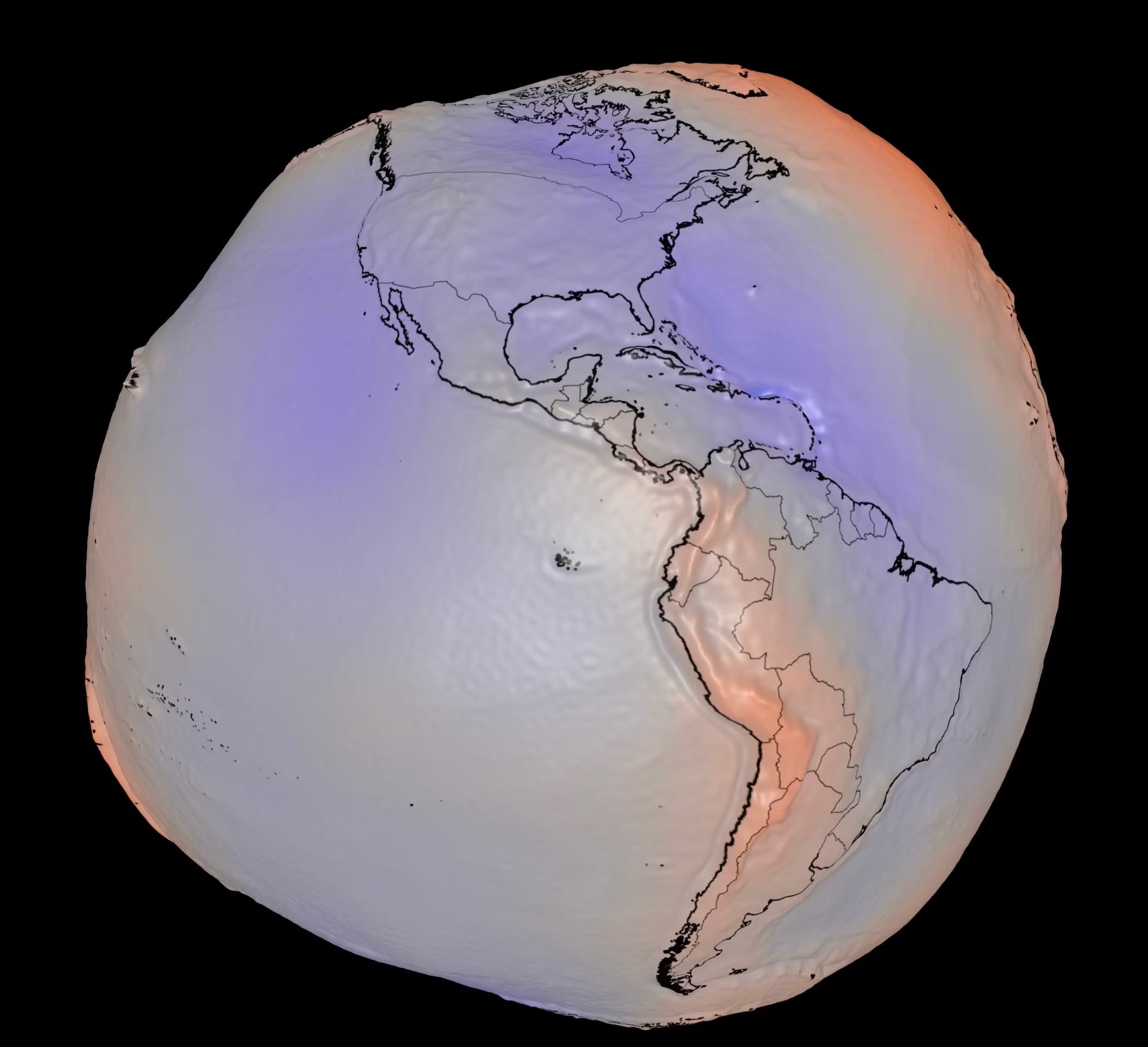
The image does not show the planet’s actual surface, nor does it mean that Earth is shaped like a “potato”. What it represents is the geoid, a representation of Earth’s gravitational field that makes it possible to understand how mass is distributed within the planet.
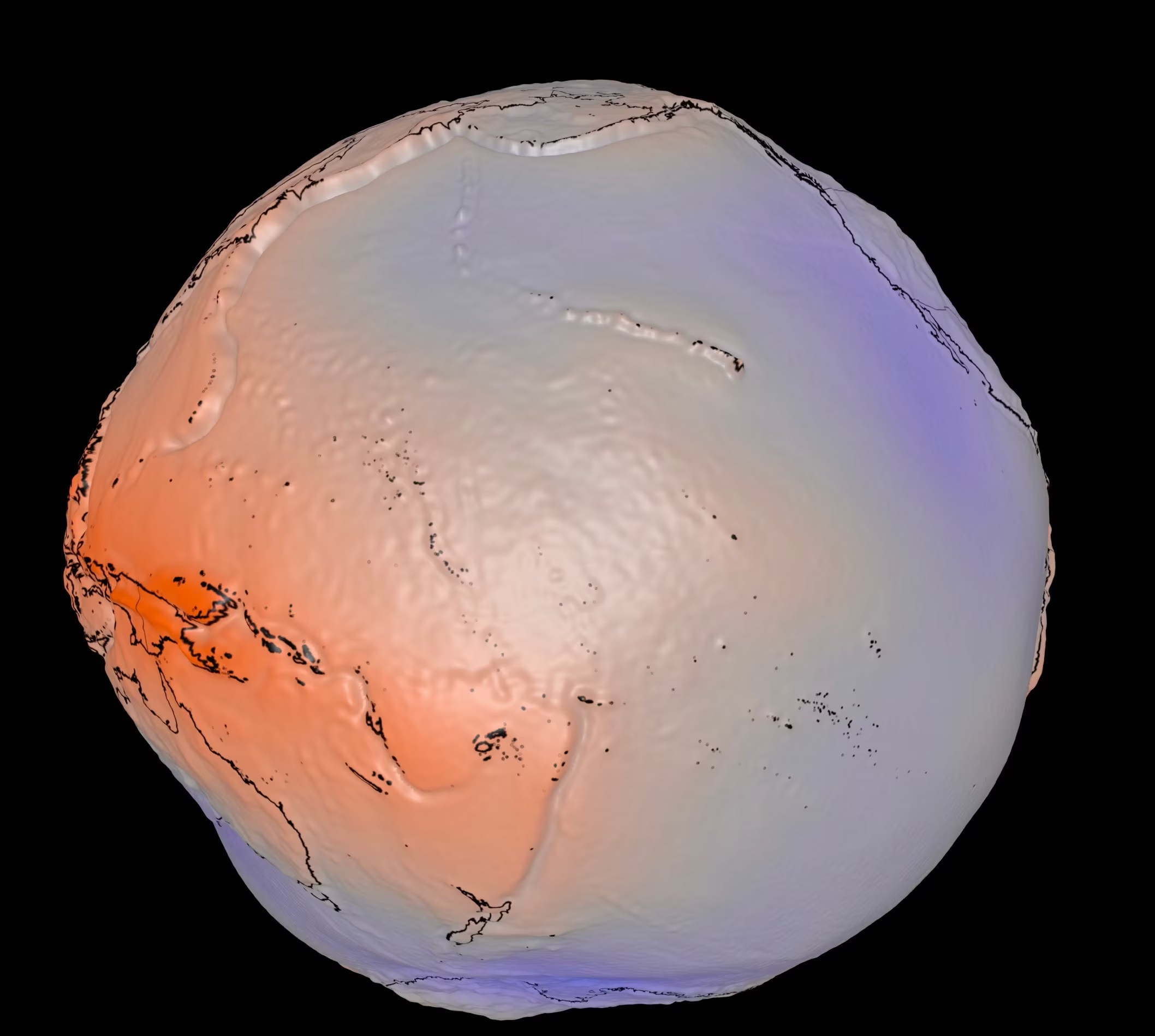
The geoid can be imagined as the shape the surface of the oceans would have if they were influenced only by Earth’s gravity and rotation, without waves, tides, or currents. Because the distribution of materials inside the planet is not uniform, gravity is not exactly the same everywhere either.
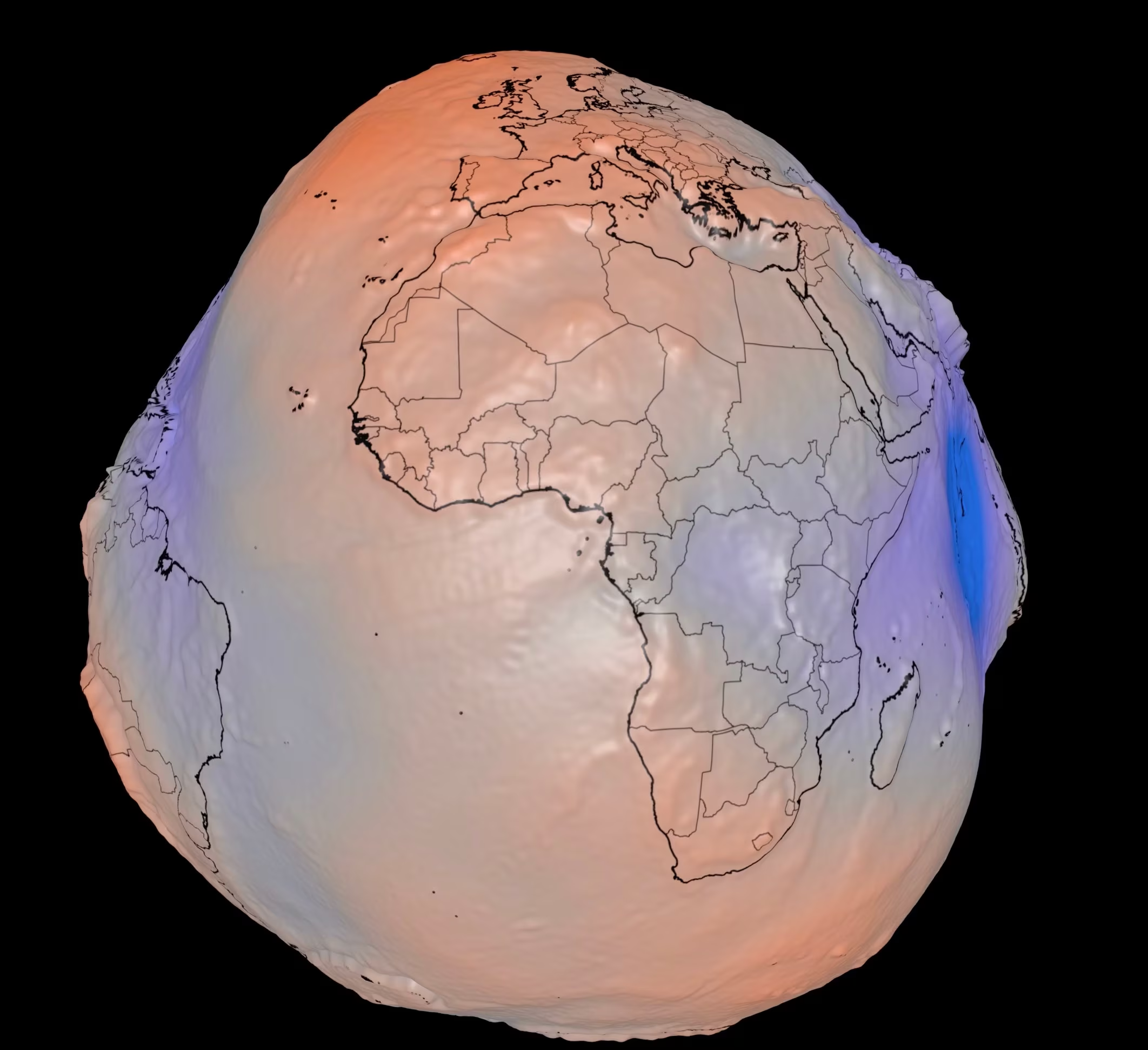
The reason the model looks so extreme is that scientists exaggerated the differences to make them visible. NASA increased the geoid variations by a factor of 10.000, since under real conditions they would be too small to notice with the naked eye.
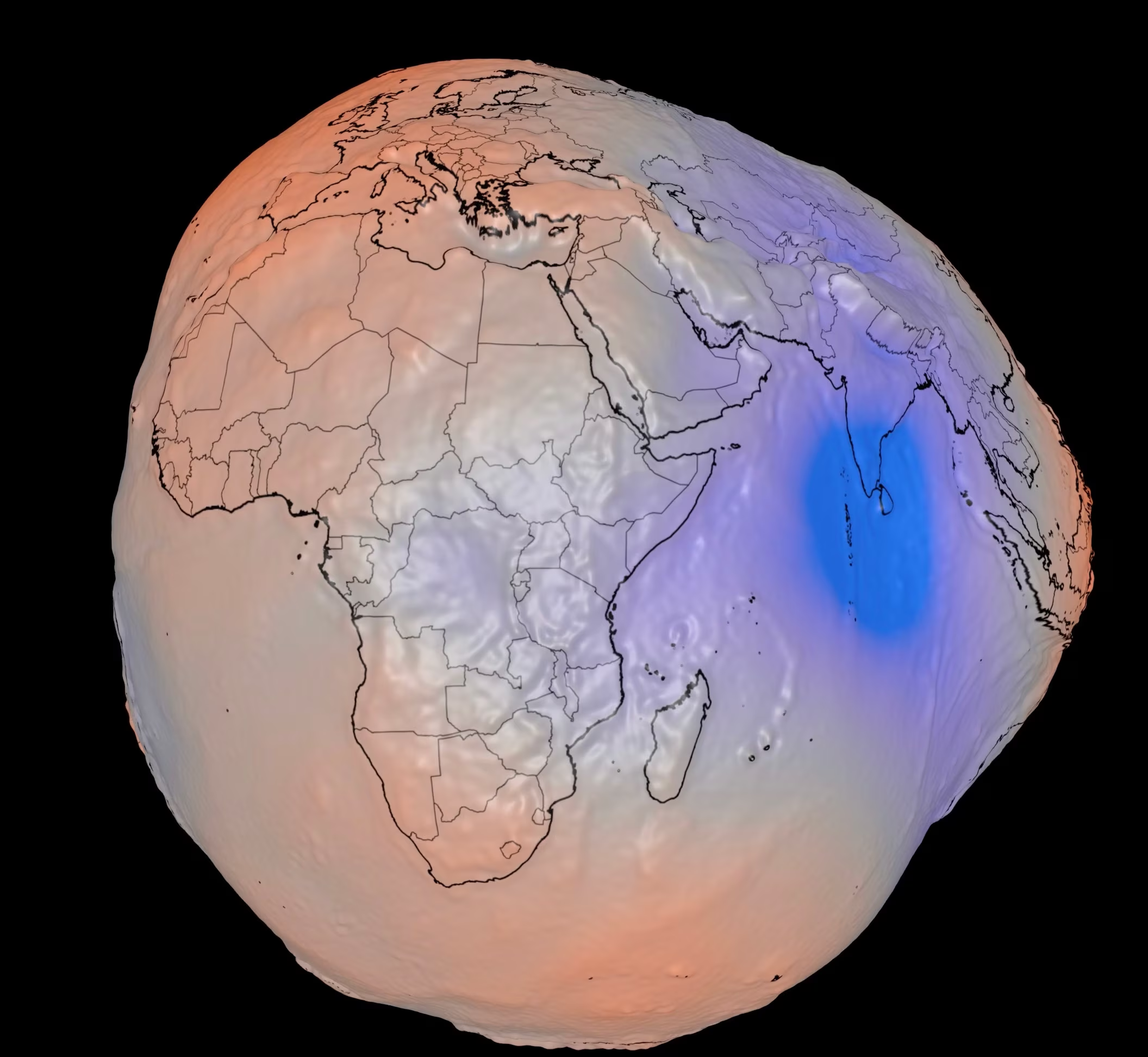
To create this visualization, gravitational field models built with satellite data collected over years were used, including observations from missions such as GRACE, capable of detecting small variations in the planet’s gravity.
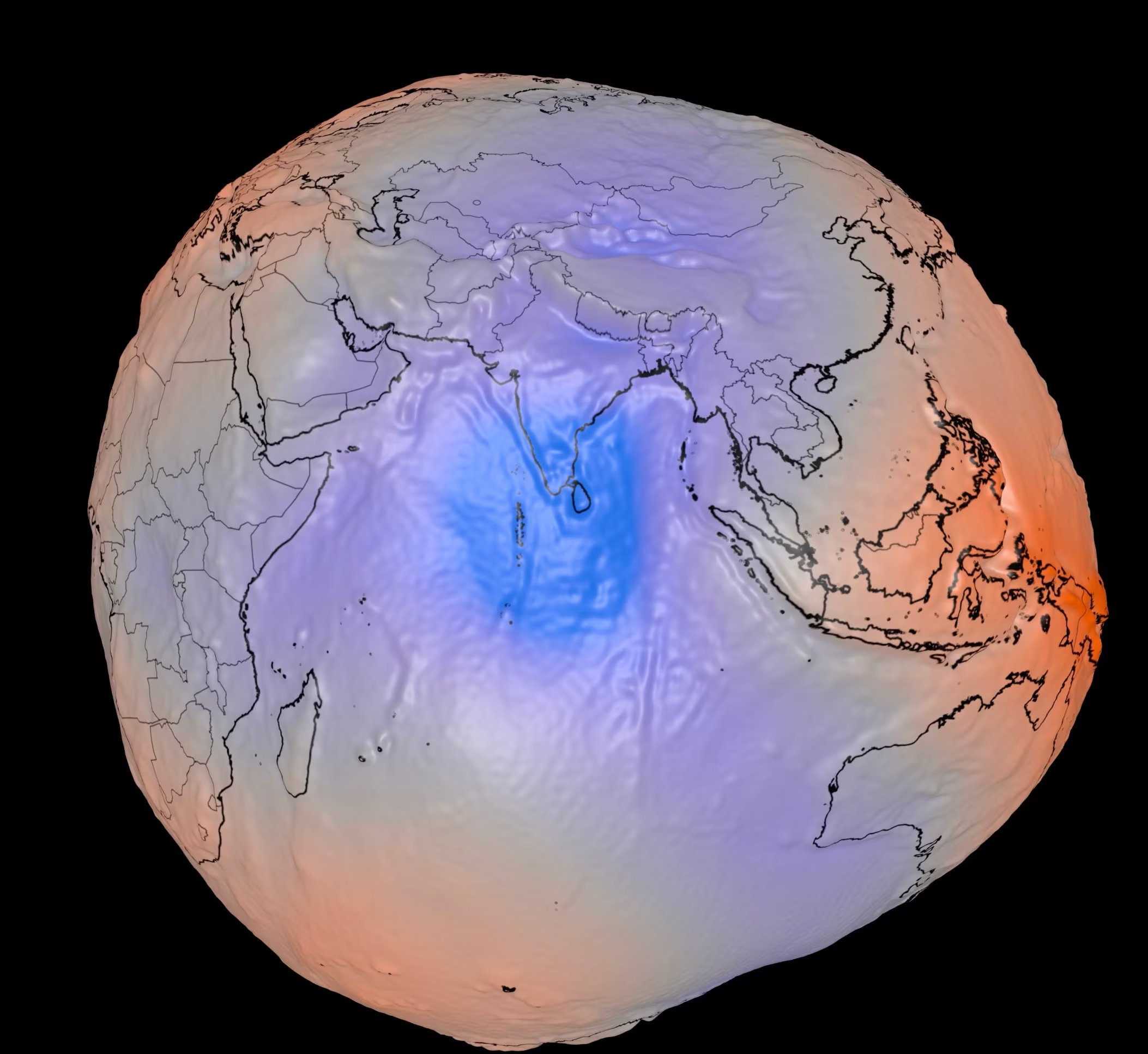
Although the image sparked comments of surprise and even fear on social media, it actually shows something impressive: the Earth we inhabit is much more complex than it appears in a photograph from space.
We do not live on a perfect sphere… but on a planet with a history of millions of years written in its own gravity.
Watch the video here: