
The water shouldn’t be able to divide like this, but in China it does.
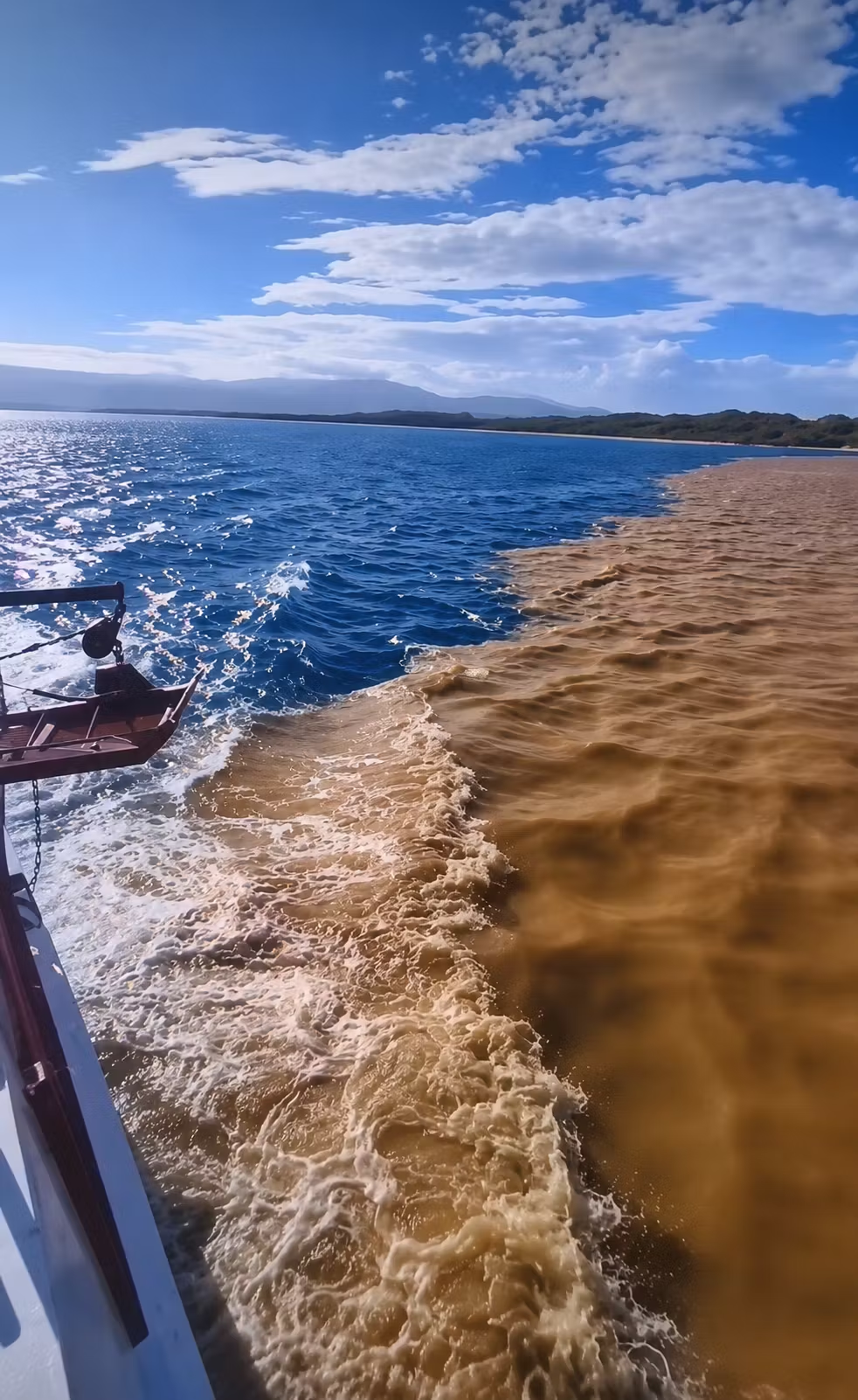
In the estuary where the Yellow River empties into the Bohai Sea, two completely different bodies of water touch without blending. On one side, the river carries tons of yellowish sediment collected during its journey of thousands of kilometers; on the other, the sea retains its deep blue hue, saltier and denser. When both currents meet, the difference in density and salinity acts like an invisible wall that slows the mixing.
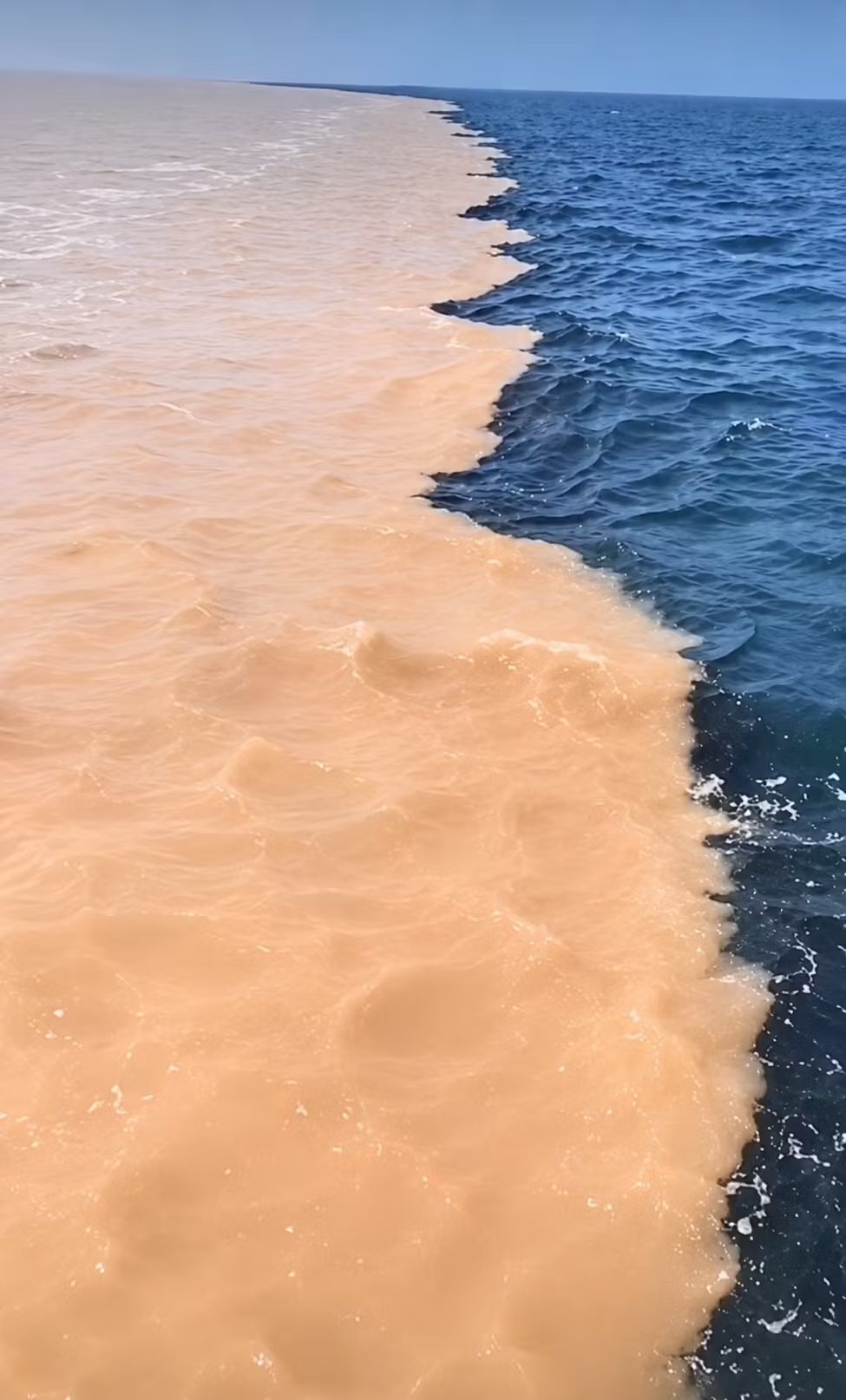
The result is an almost perfect line, visible even from the air, which many mistake for a clash between oceans. It isn’t: it’s pure physics, the same phenomenon that separates fresh water from salt water in dozens of estuaries around the world, but rarely as sharply defined as here. The current, wind, and water temperature determine each day how long that boundary lasts before dissolving.