
39 seconds. That was the time separating two of the most destructive earthquakes Venezuela has suffered in decades. On June 24, 2026, at 18:04, the first struck with a magnitude of 7.2 and an epicenter 28 kilometers from the municipality of San Felipe, in Yaracuy state. Before the ground had finished moving, a second quake of magnitude 7.5, even more powerful, hit from just 23 kilometers from Yumare. The United States Geological Survey (USGS) called the phenomenon a ‘seismic doublet’: two major earthquakes almost simultaneously in the same area, an extraordinarily rare event.
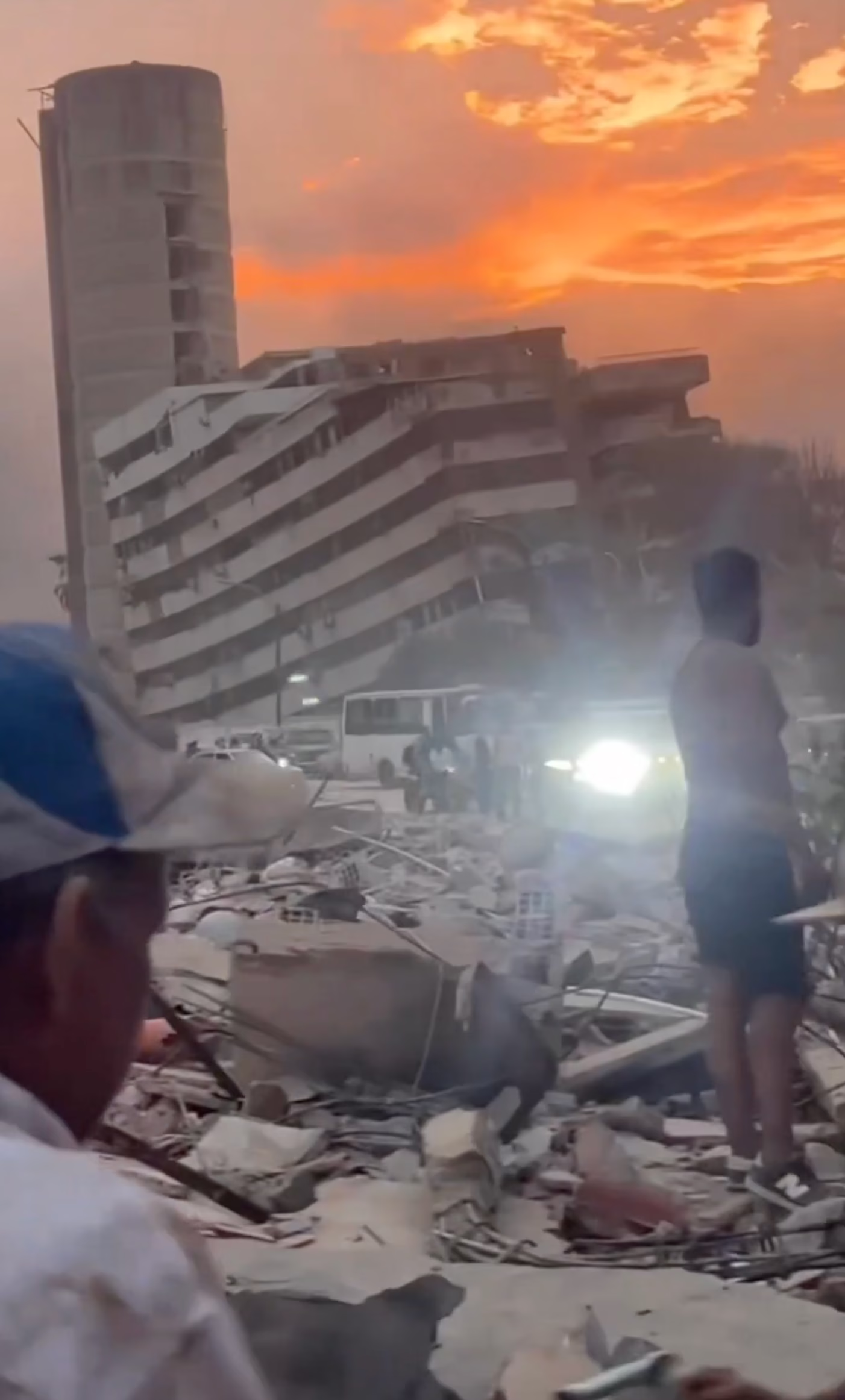
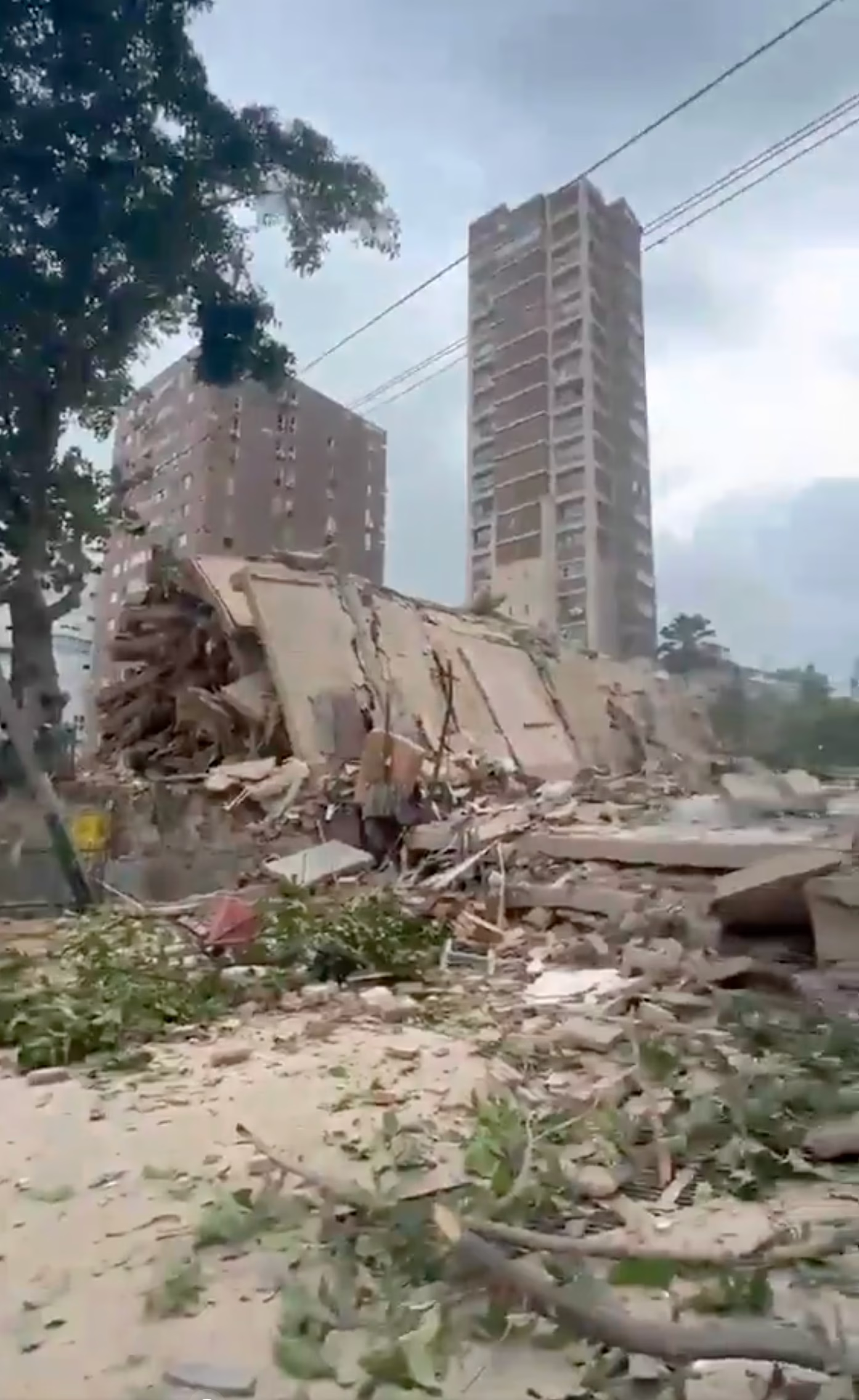
In Caracas, the result was devastating. At least four buildings collapsed in the neighborhoods of Los Palos Grandes, Altamira, and San Bernardino. Maiquetía Simón Bolívar International Airport was closed due to structural damage. Gas service was cut across the entire capital. Power and signal outages in multiple areas. Interim president Delcy Rodríguez confirmed 32 dead and more than 700 injured; 15 people remained missing in the early hours of June 25. The tremors were also felt in Bogotá, Curaçao, and Aruba, and a tsunami warning was issued, and then canceled, for Puerto Rico and the Virgin Islands.
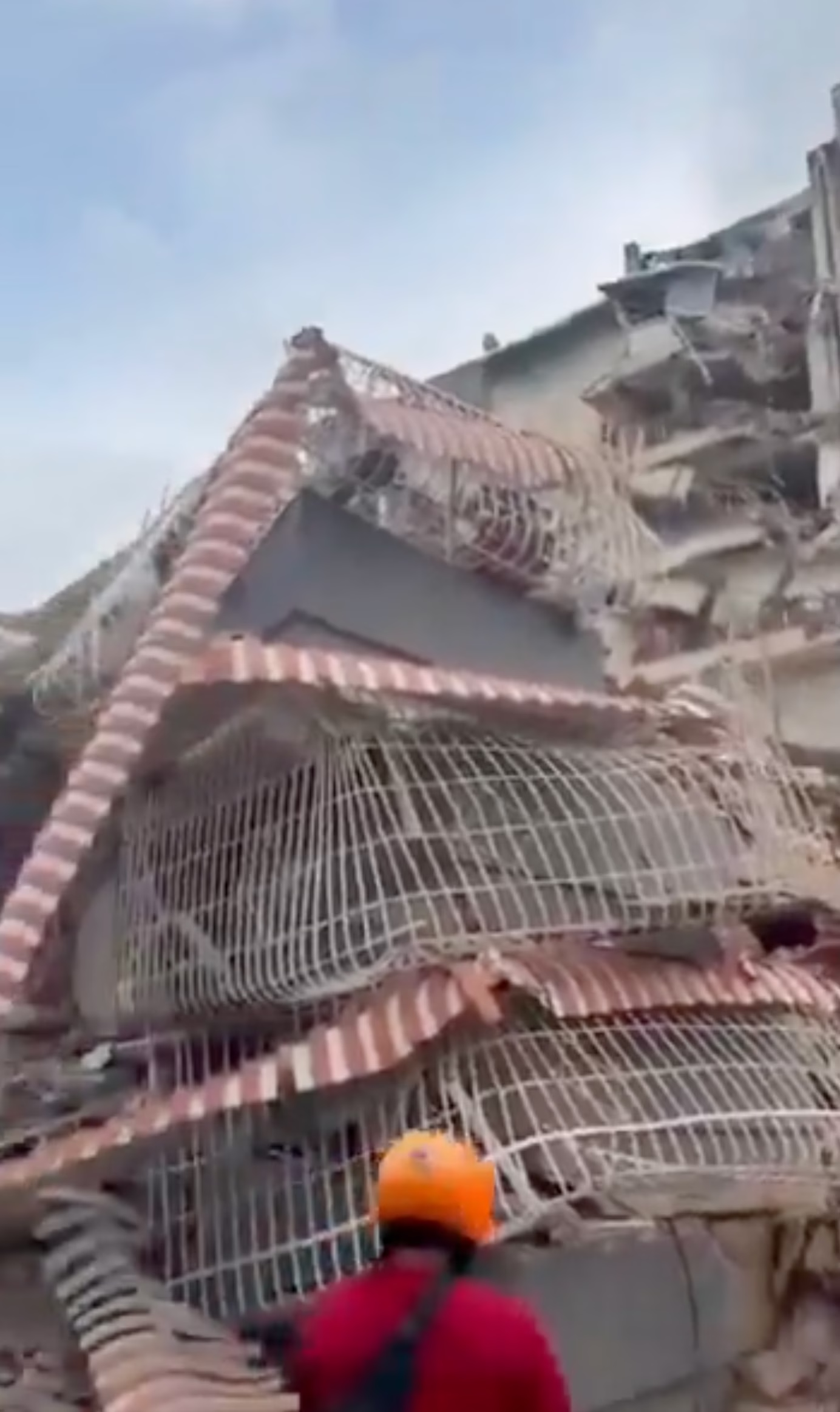

What makes the moment even more disturbing is the context: Venezuela was celebrating that day the holiday for the Battle of Carabobo, the date that commemorates its independence in 1821. Witnesses in different parts of Caracas described scenes they had not seen since the great earthquake of 1967. The comparison seismologists repeat most often, however, is with the 1997 Cariaco earthquake, the last to leave a comparable mark on the country.