
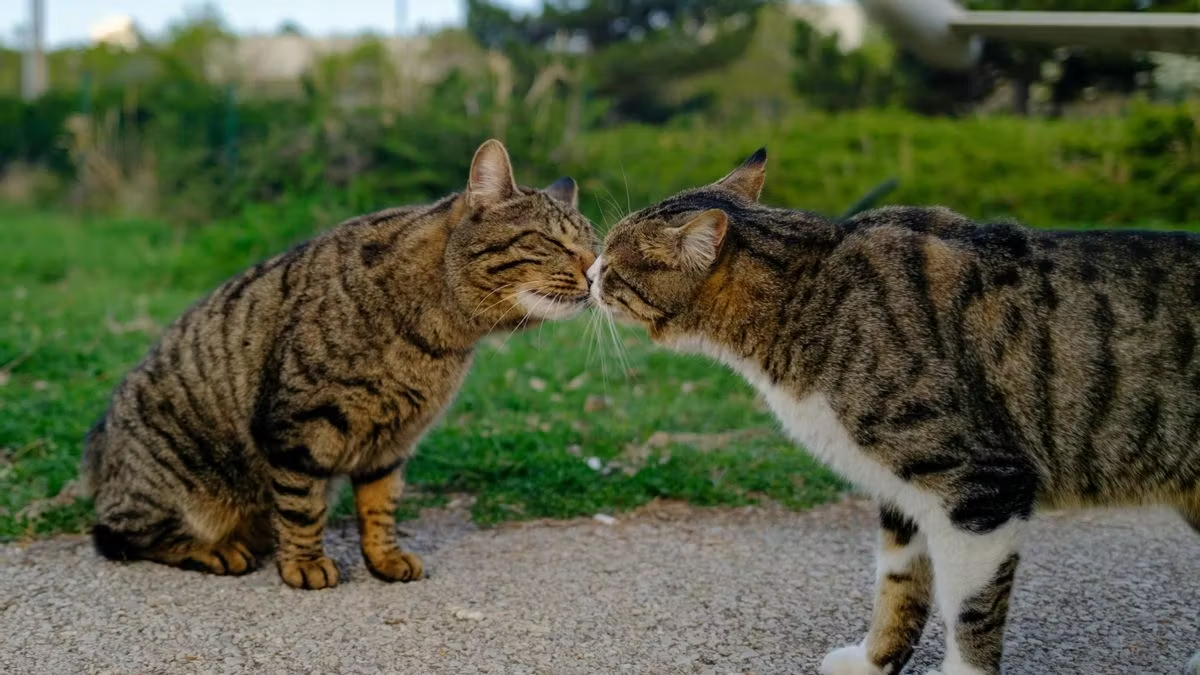
Two animals approach each other, bring their snouts together, and seem to kiss. We’ve seen it a thousand times: in the countryside, in a documentary, even with our pet. We always read it as tenderness. A study by biologist Sophie Lund Rasmussen, from the University of Oxford, published in Evolution and Human Behaviour, has just shown that we were completely wrong.
That gesture is a symphony of molecules. In tenths of a second, animals exchange pheromones and chemical signals that communicate identity, desire, hierarchy, and even comfort. The queen of a naked mole-rat colony, for example, uses nose-to-nose nudges to control which of her subordinates can reproduce. Bats use it as a password to recognize members of their group. And European hedgehogs can be literally paralyzed by the overload of chemical information they receive in that contact. 🦔
What is fascinating, according to Rasmussen, is that scientists still do not know exactly which substances are exchanged. A language they have been speaking for millions of years, and that we are only just beginning to understand.