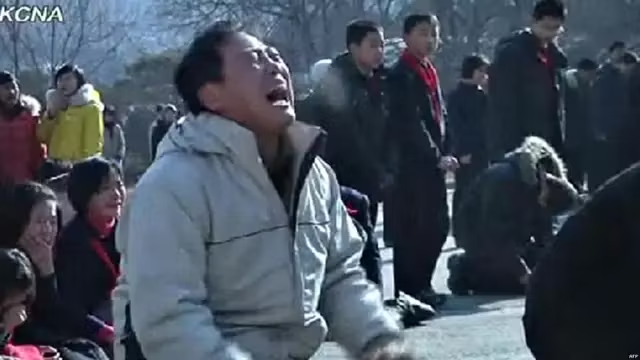
When Kim Jong Il died in December 2011, North Korea decreed 11 days of mandatory mourning. Showing respect was not enough: the entire country had to appear devastated. Millions of people lined up in squares and in front of bronze statues, where state broadcasts showed crowds screaming and crying uncontrollably. During the final funeral procession, attendees were prohibited from wearing gloves, hats, or scarves, so that those monitoring them could easily confirm their tears.
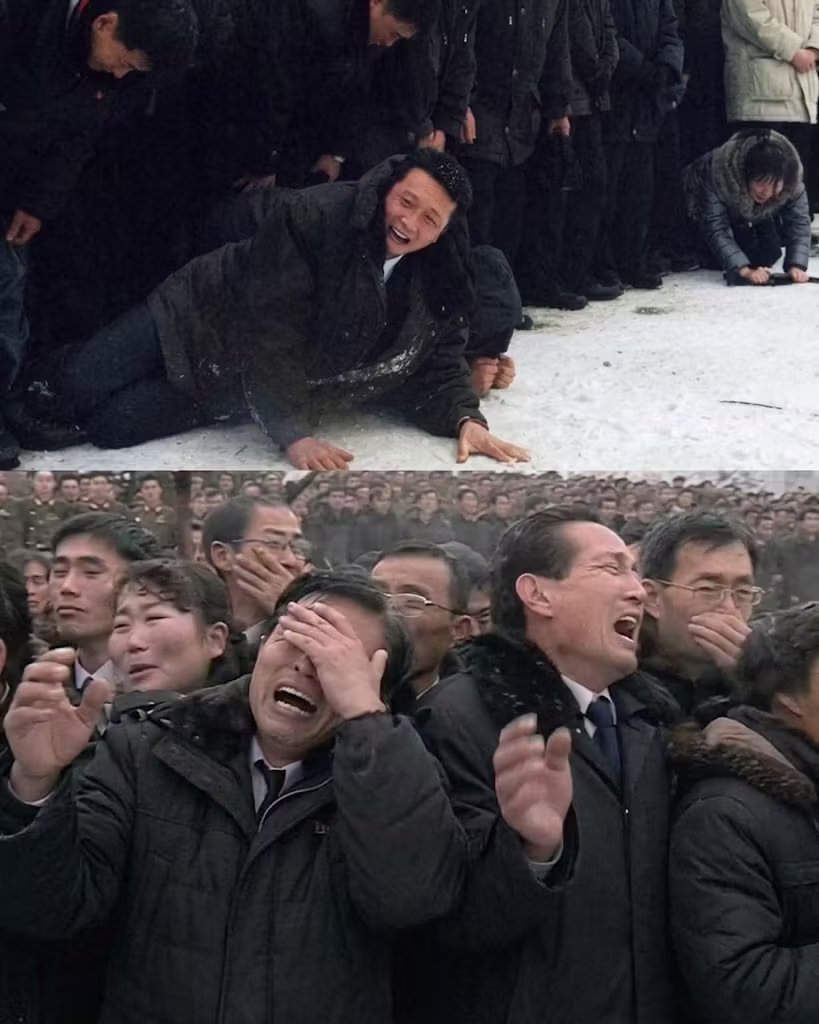
Everything else was suspended: entertainment, alcohol, leisure, and even grocery shopping. And one detail makes it even more disturbing: those who lost a family member during those days could not mourn their own dead out loud.
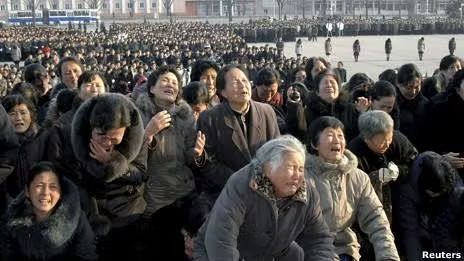
According to reports by Daily NK, showing little grief was treated as a serious political crime. Neighbors and the secret police monitored mourning sessions, and those who were absent or seemed insufficiently grief-stricken risked at least six months in labor camps or a humiliating public self-criticism session. The reports add that openly showing disrespect or breaking the prohibitions could result in execution or the exile of entire families to remote provinces.