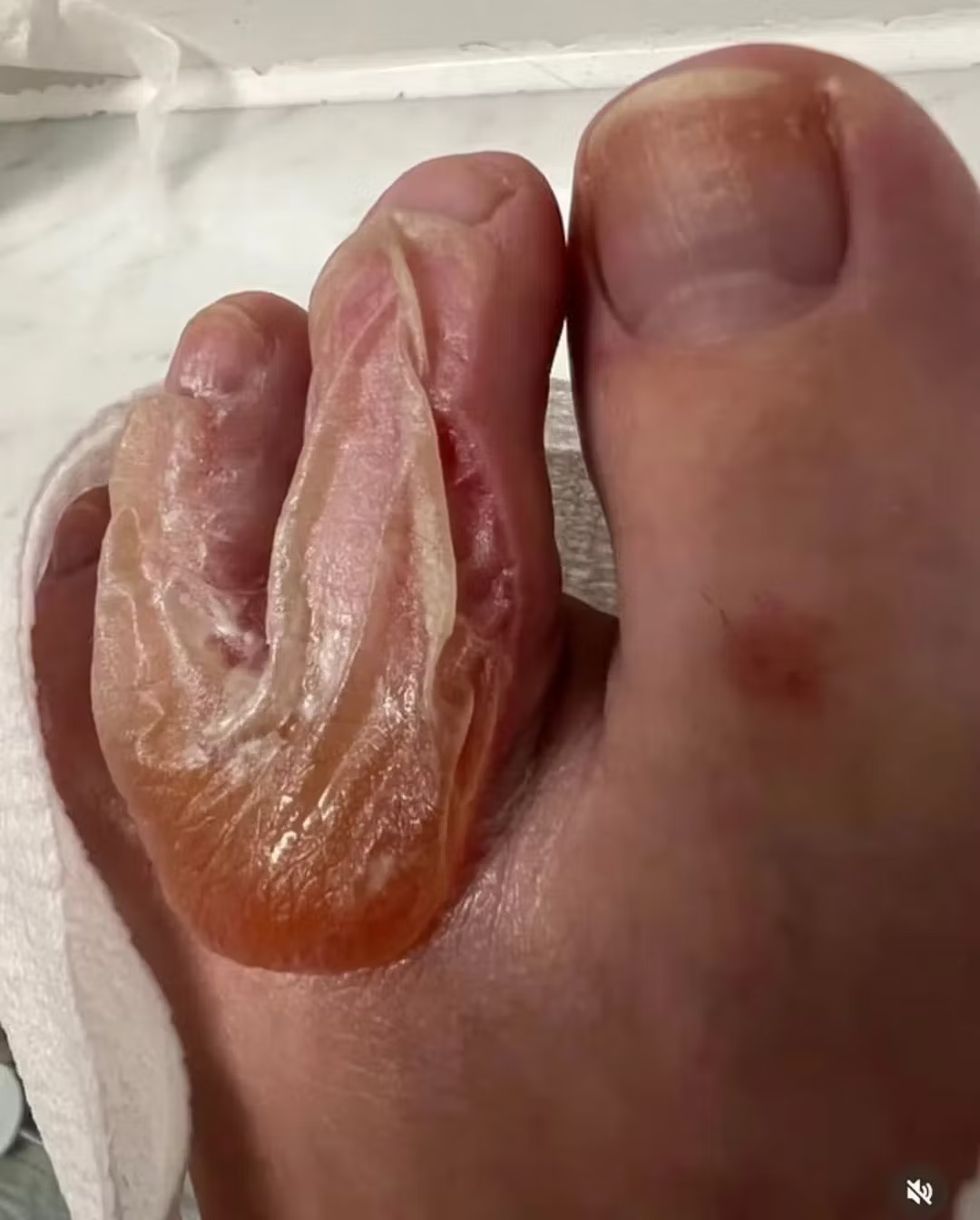
That clear liquid inside the blister is not there by accident. According to dermatologist Shilpi Khetarpal, a blister is literally the bandage your own body makes after an injury: the fluid acts as a shield that protects the deeper layers of skin while they regenerate.
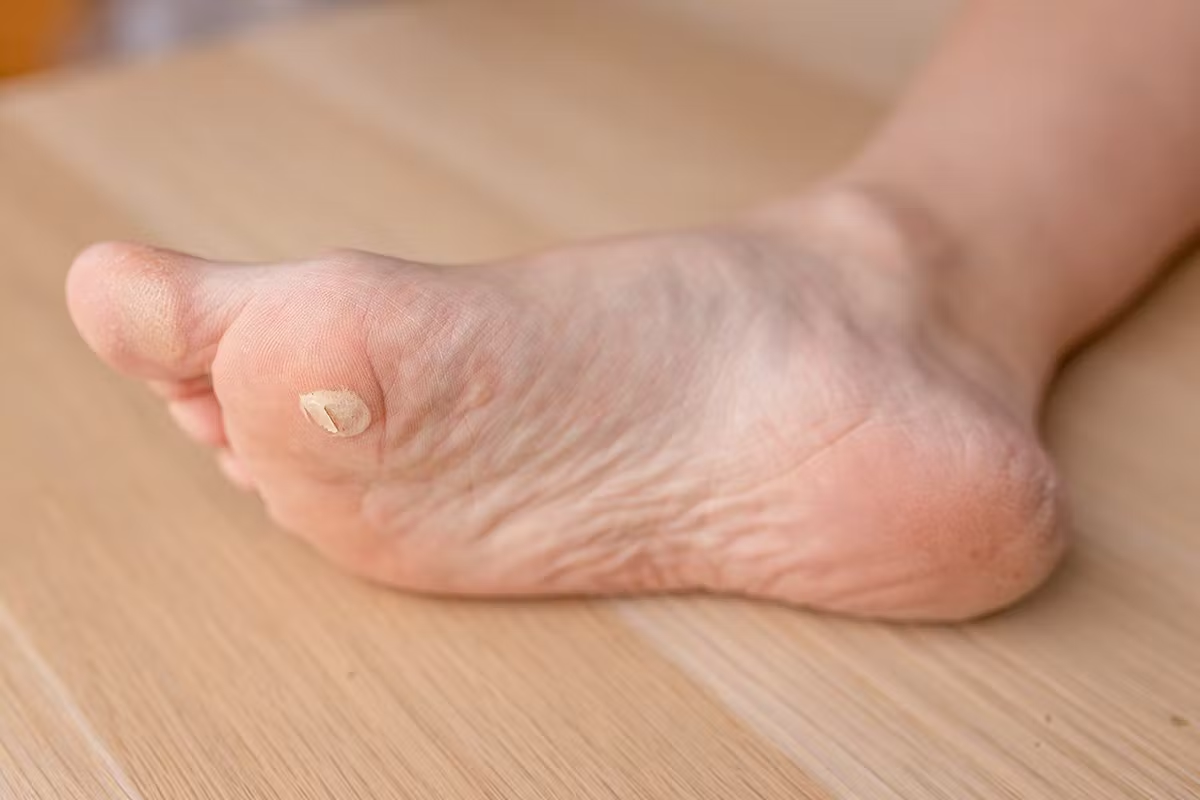
The problem is the urge. Almost no one can look at a large blister without feeling the need to pop it. And if you decide to do it, the procedure matters more than you think: a small needle sterilized with alcohol, puncture at the edge, and most critically, keeping the top layer of skin intact. That membrane is not a minor detail; it is the natural replacement for the bandage you just removed by draining the fluid.
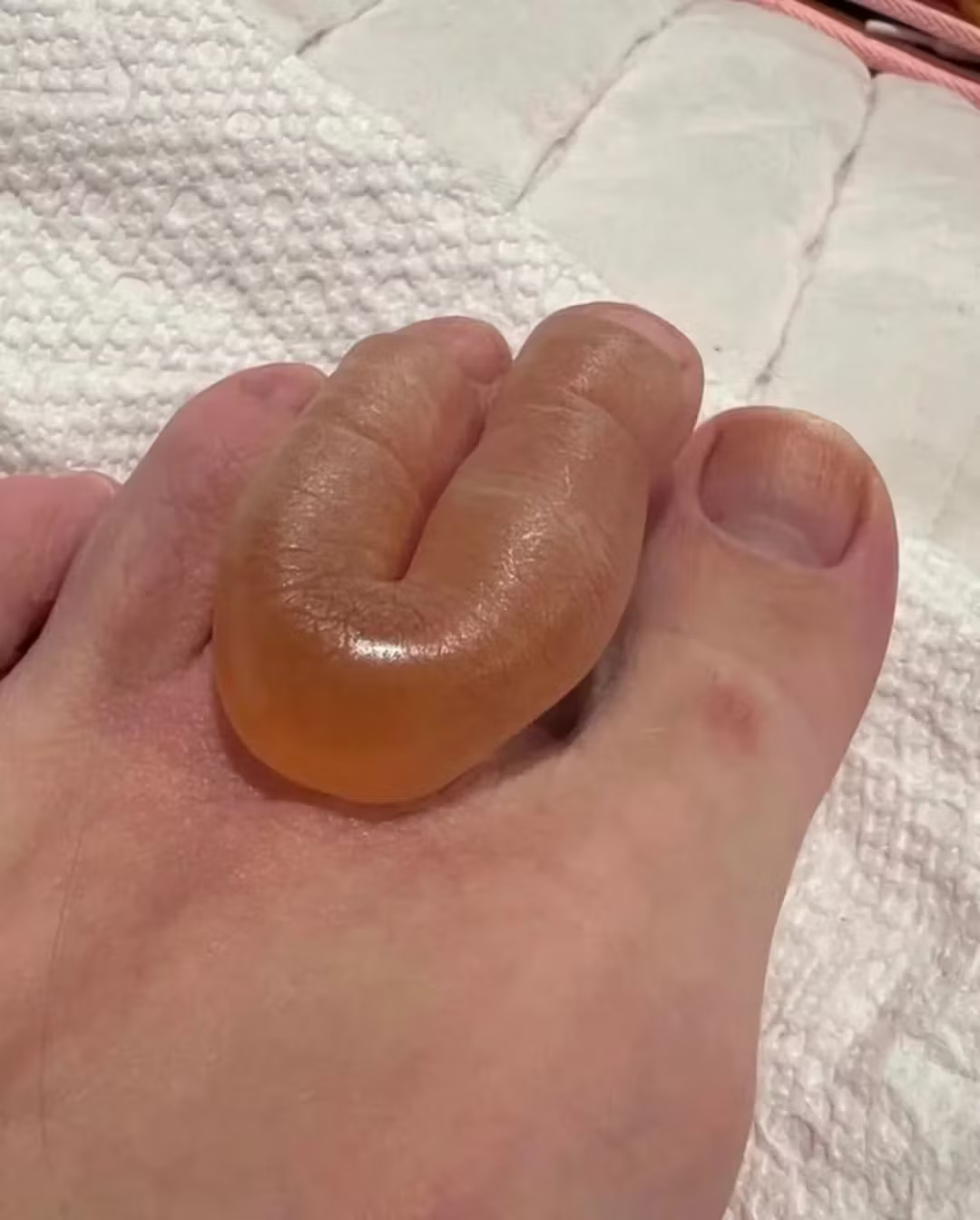
For people with compromised immune systems, including diabetics or patients undergoing cancer treatment, the warning is more severe: a blister drained without the correct conditions can become an entry point for a serious infection. In those cases, the recommendation is not to act on your own and to go directly to a healthcare professional.