
Merced Guimarães only wanted to build a swimming pool in the backyard of her home in the Gamboa neighborhood of Rio de Janeiro. It was in 1996, while the bricklayers were digging the foundations, that the first human jaws appeared beneath the subfloor.
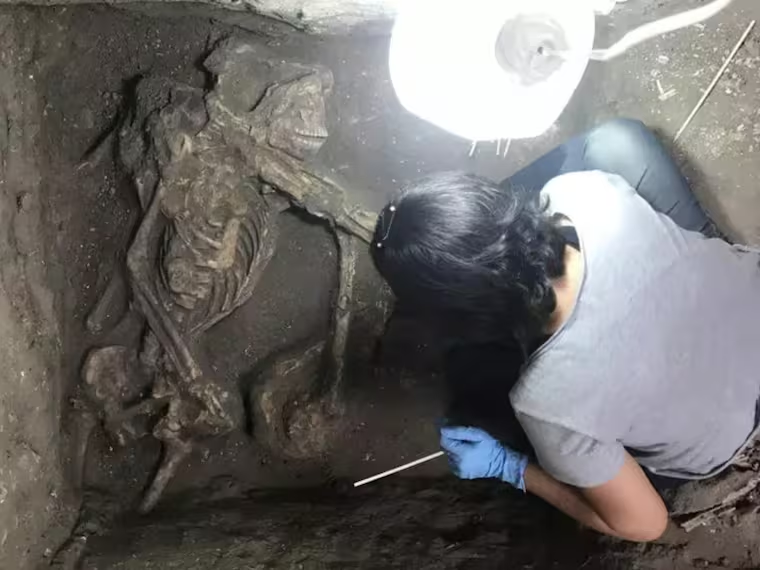
What she found was not an isolated grave. Her home, built in 1866, stood on the main dumping site for enslaved Africans who died of dysentery or smallpox after the Atlantic crossing. “I found the remains of a holocaust”, she herself confessed to the BBC, describing the bodies that had been cremated and crammed into trenches beneath her own floor.
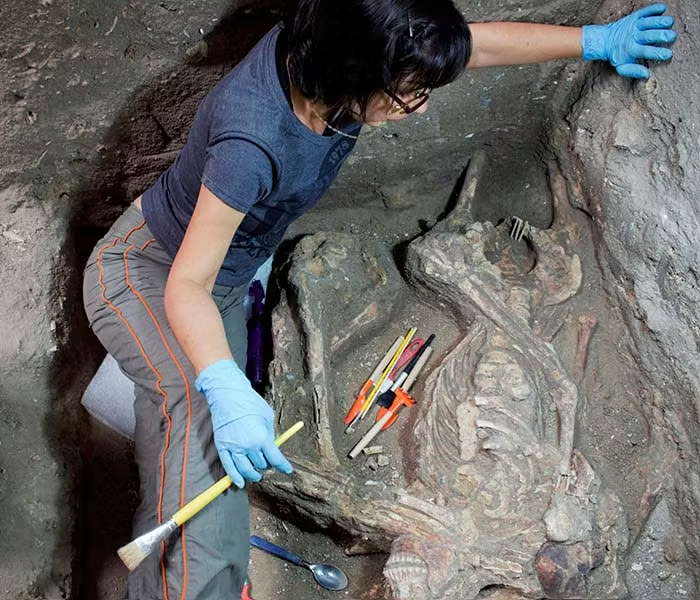
Today, that backyard is the Pretos Novos Institute for Research and Memory, with more than 40,000 human remains and 300,000 visitors a year. 21 years after the discovery, the site remains on the verge of closing due to a lack of state funding in Brazil, the last Western country to abolish slavery.