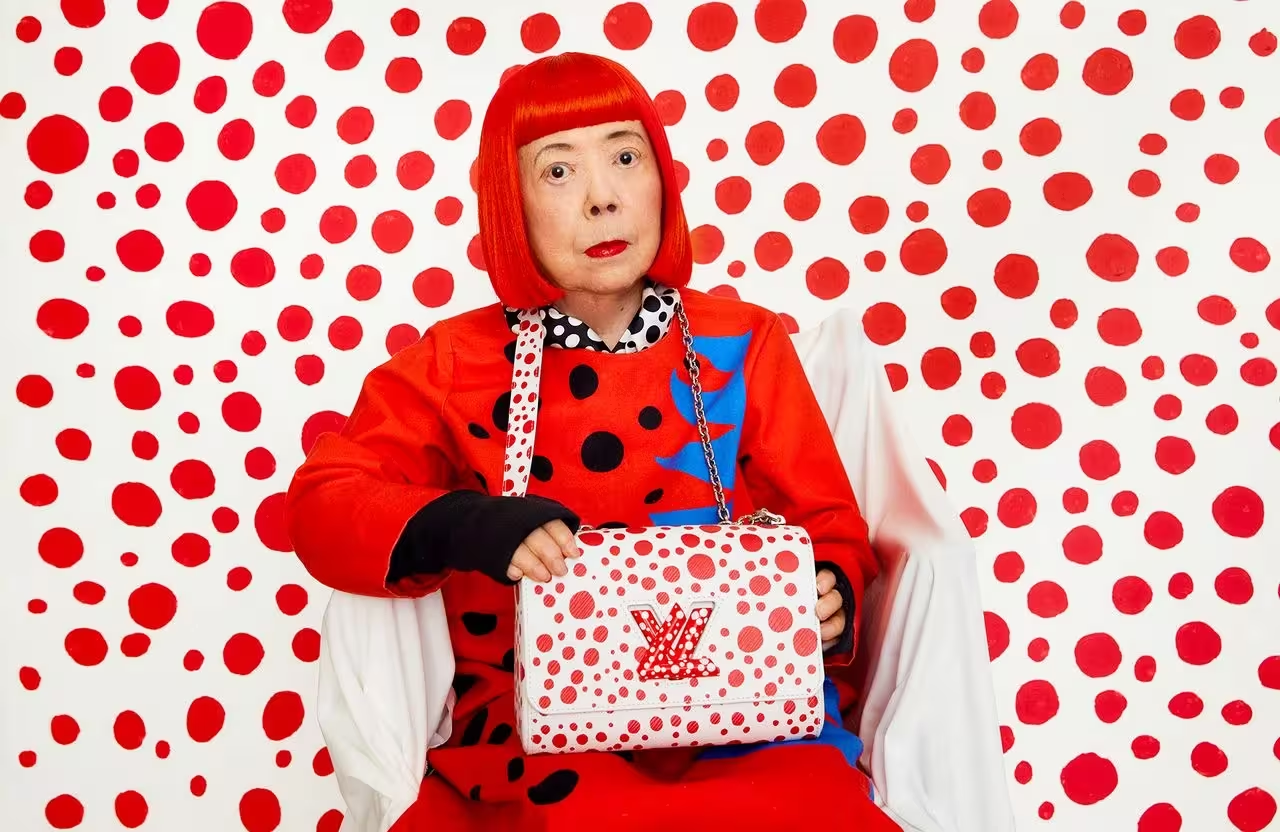
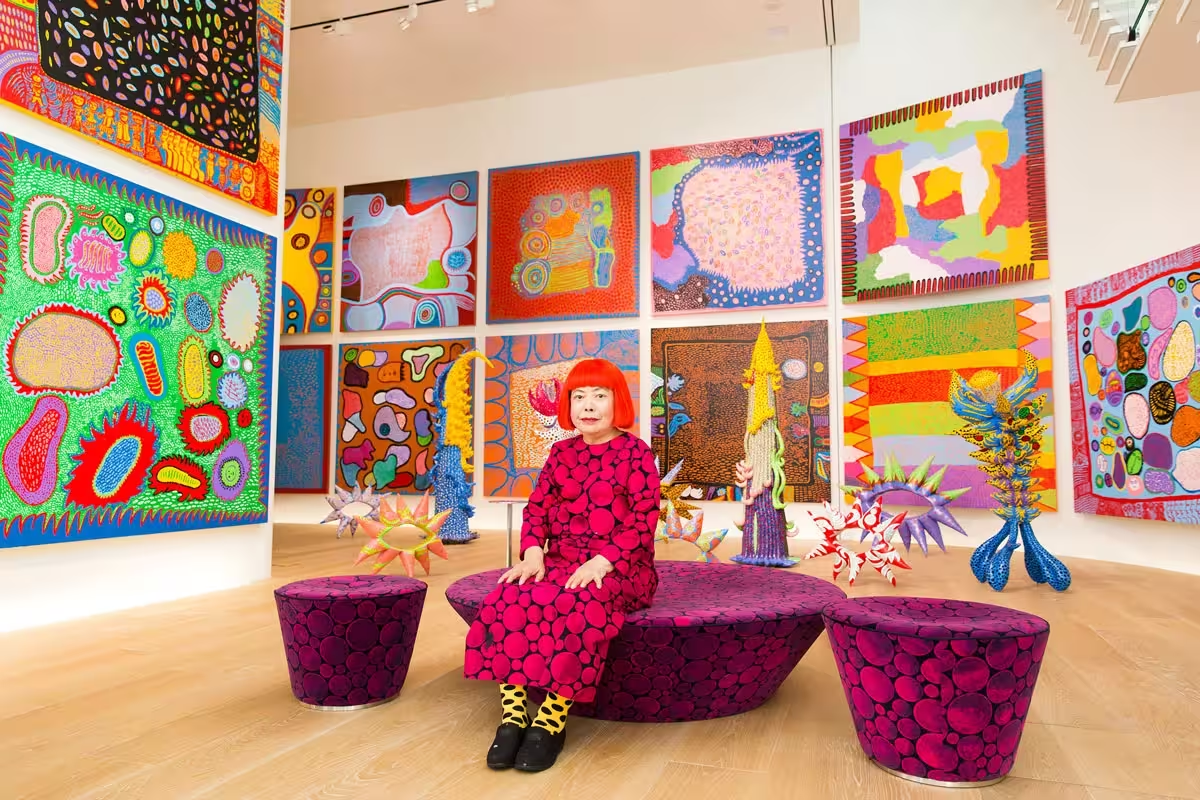
Yayoi Kusama was barely thirty years old when hunger became literal.
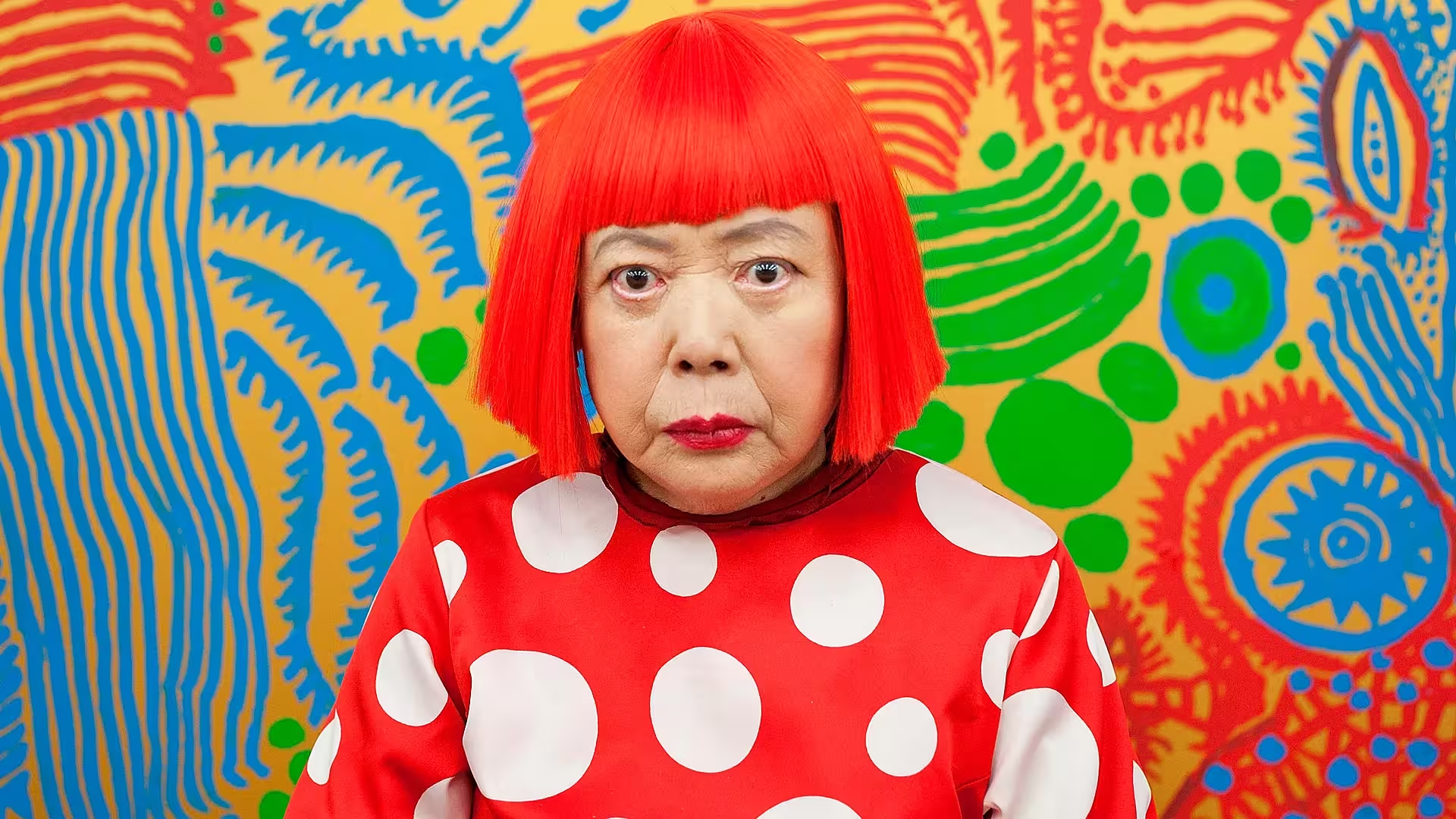
She had arrived in New York alone, without money and without the language, determined to escape a Japan that —in her own words— was “full of contempt for women”. The city she dreamed of conquering gave her nothing at first: she went three days without eating a bite. She later said, once she had become an established artist, that she even ate the crumbs the pigeons dropped on the sidewalk because she couldn’t afford anything more.
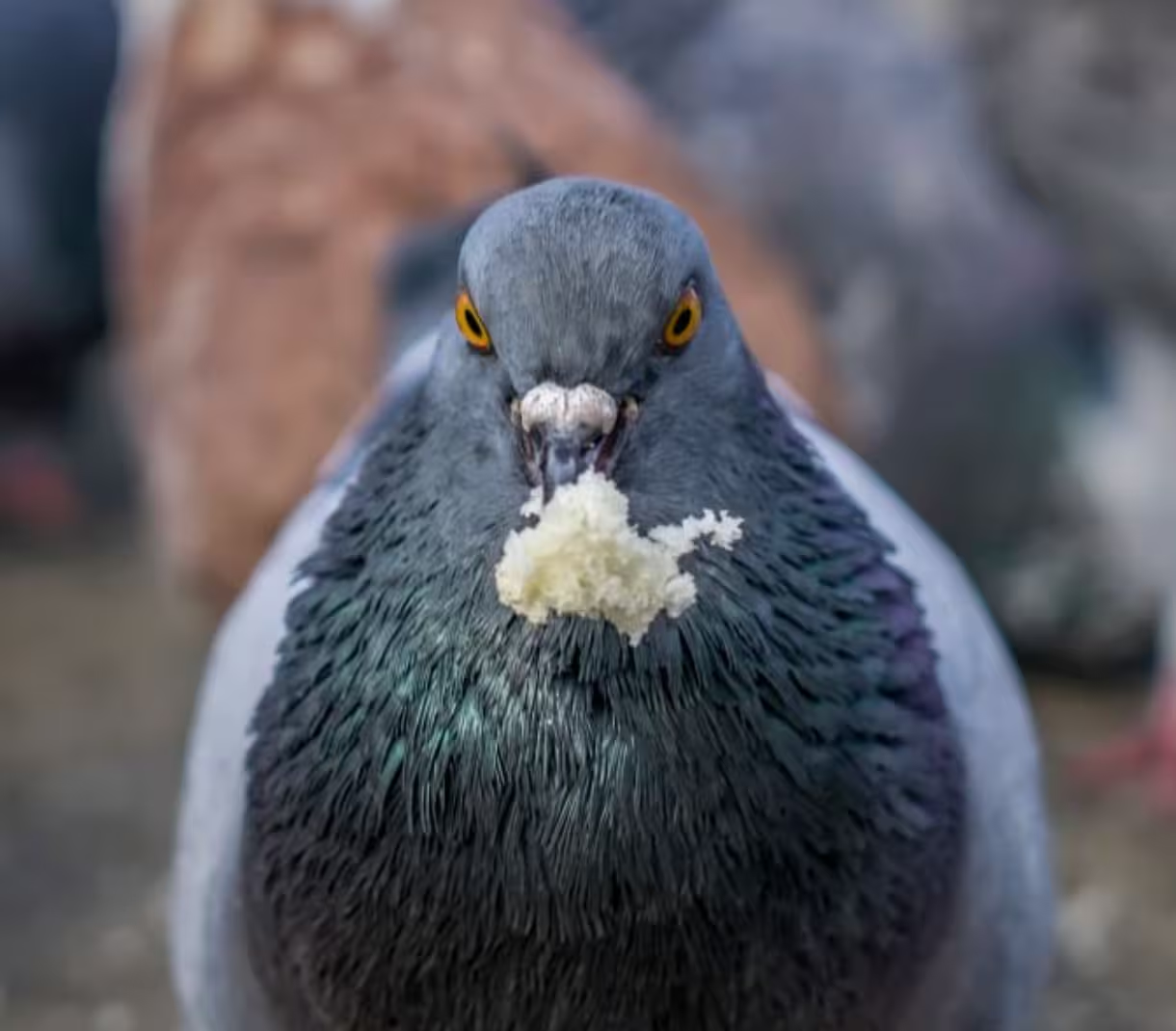
No one could have imagined, seeing her kneeling in a plaza gathering scraps, that decades later her polka-dot pumpkins would fill museums around the world and that a single one of her paintings would sell for nearly 8 million dollars. Kusama died at the age of 97 in Tokyo, but that youthful hunger never disappeared from her story: it was the silent price of an obsession that the whole world would later learn to admire.