
In Rosengard, the toughest neighborhood in Malmo, Sweden, nobody asked how your day had gone. That was Zlatan Ibrahimovic’s reality.
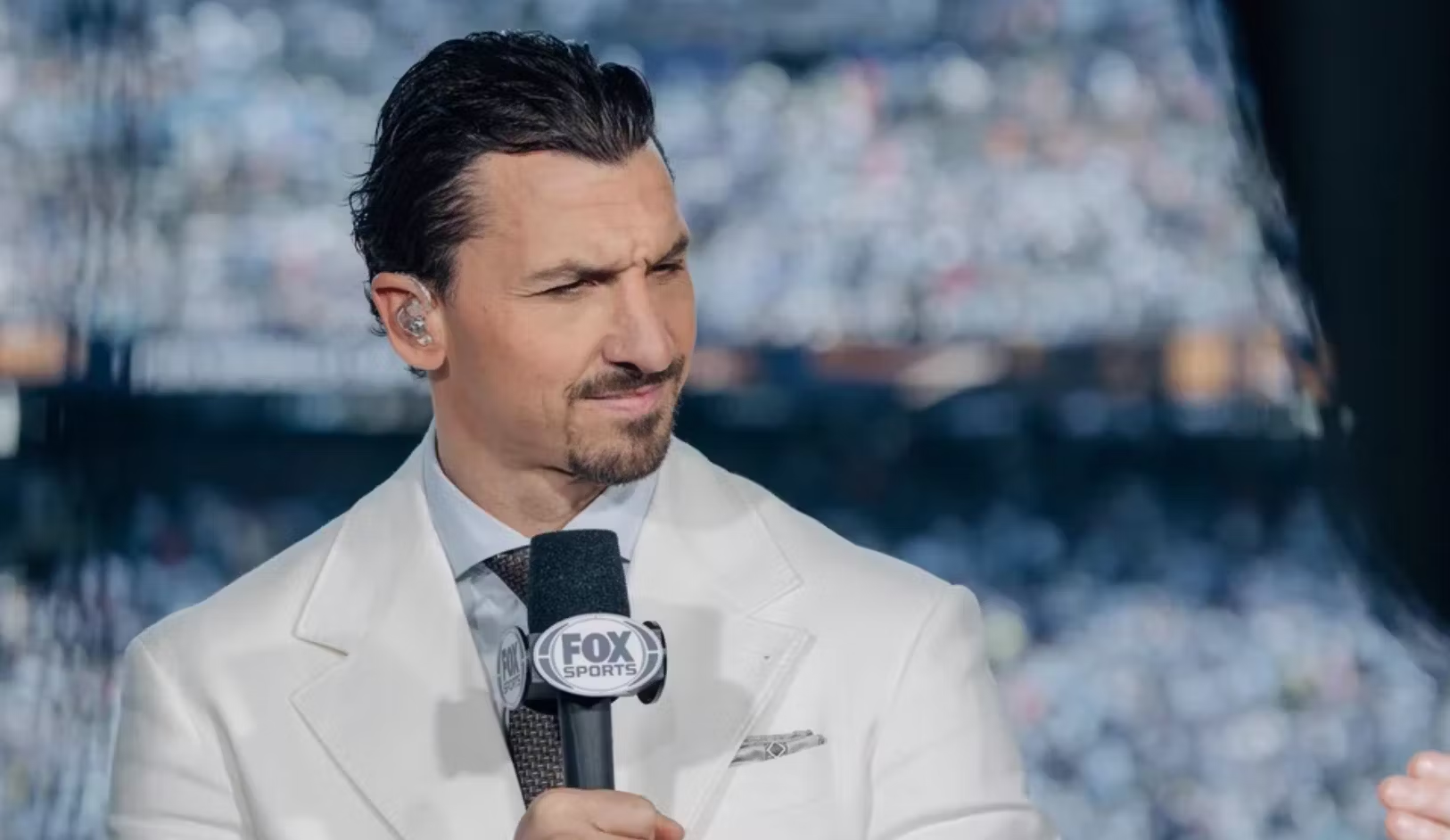
The son of a Bosnian bricklayer who spent his nights watching Balkan boxing, and Jurka, a Croatian cleaner who sometimes took her children to empty other people’s trash cans to scrape together a few coins.
In his autobiography “I Am Zlatan”, he put it bluntly: “In my house, whining wasn’t allowed”, you had to grit your teeth. They ate noodles with ketchup or went to Aunt Hanife’s, in the same building.
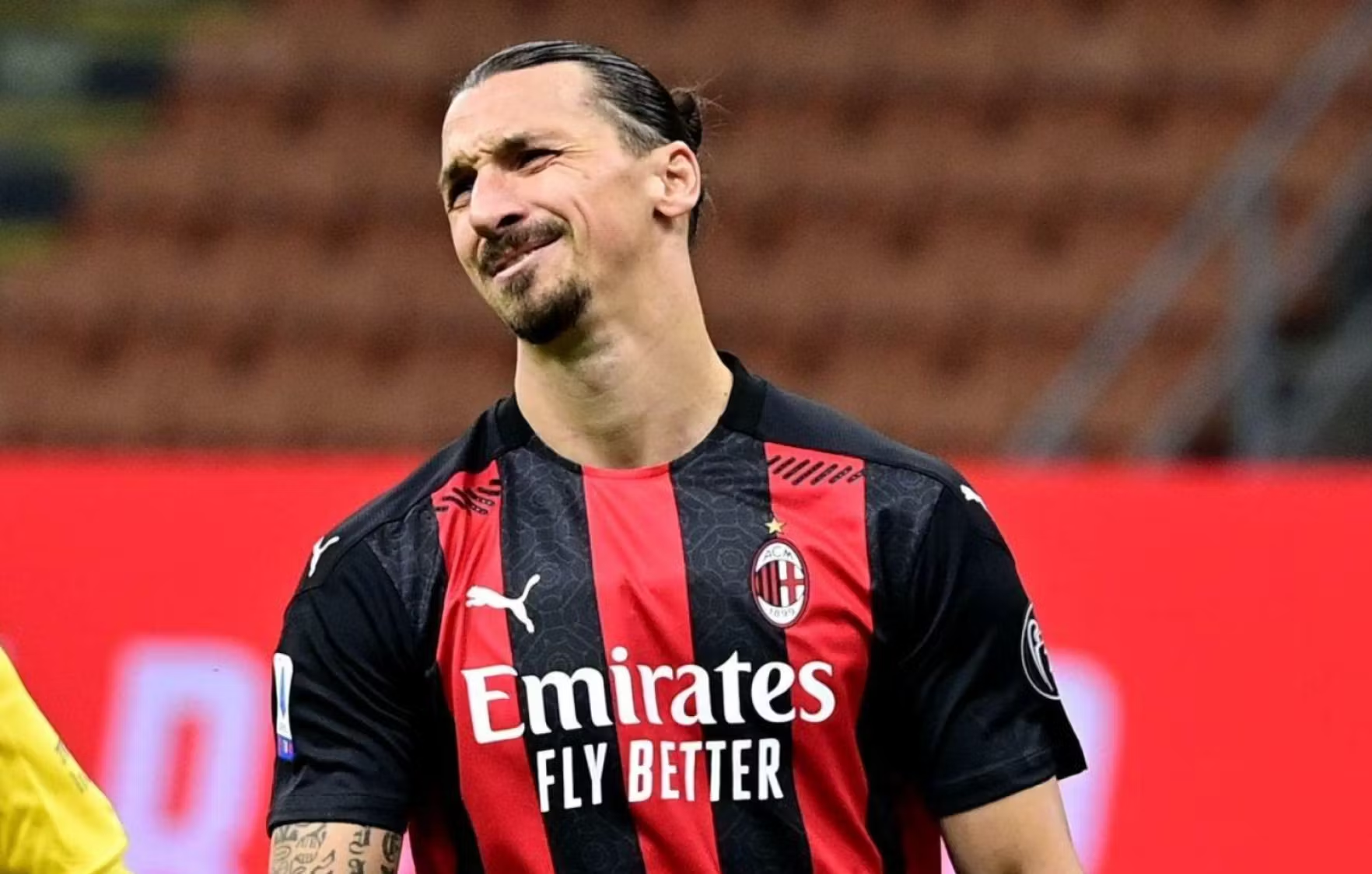
Today, now retired and a multimillionaire, Zlatan remains obsessed with something his wife Helena knows well: making sure the fridge at home is never empty.
Poverty is gone, but the fear that it will return has remained forever.