There is a growing presence of cocaine residues in lakes and rivers around the world. This problem directly affects salmon behavior, according to a study by Griffith University in Australia.

The methodology involved observing 105 salmon over eight weeks in Lake Vättern, Sweden.
The main finding is that benzoylecgonine—the metabolite produced by the body after consuming cocaine—enters waterways through human waste and affects fish even more than cocaine itself.
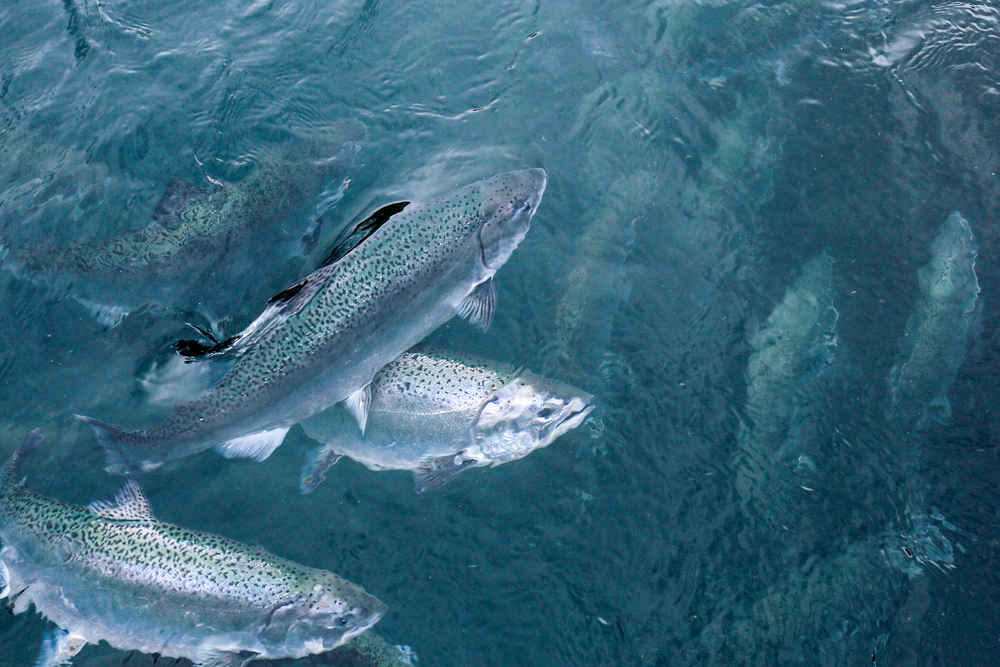
This alteration in fish movement changes how they interact with their environment. Salmon influenced by the metabolite were able to swim up to 12 kilometers farther and moved away from their natural habitat. Additionally, the study argues that environmental assessments overlook the presence of benzoylecgonine in the water and focus only on the pure drug, thereby underestimating the damage it causes.