
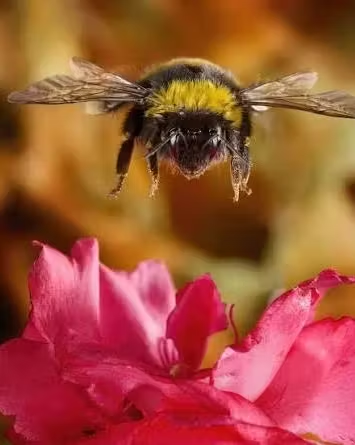
The bumblebee flies with its battery almost always in the red. It beats its wings about 200 times per second and has such a fast metabolism that it needs to feed frequently to maintain its energy reserves. Flying, moreover, is not free: its muscles need to reach a minimum temperature to function and, when night falls or temperatures drop too much, taking off can become an impossible task.
That is why, when night catches them far from the colony, some do something that at first glance seems adorable, but is pure survival strategy: they cling to a flower and remain motionless for hours. Flowers not only offer them a place to hold on; some can also provide them with a small shelter from the cold. Bumblebees can hide inside closed flowers, which act like small thermal tents, or rest alongside other individuals, even among the stamens.
During rest, they reduce their activity and conserve the energy they will need to fly again. Not resting comes at a cost: a bumblebee that is too cold cannot simply spread its wings and leave, because its muscles need to reach a minimum temperature to function. If its energy reserves are also low, it may not have enough fuel to warm up and take off, leaving it exposed to the cold for longer. At dawn, they must warm up their muscles again before taking off, which they achieve by vibrating their bodies and generating heat. And having a flower nearby is no small detail either: when they wake up, they can find right there the nectar they need to regain their strength.
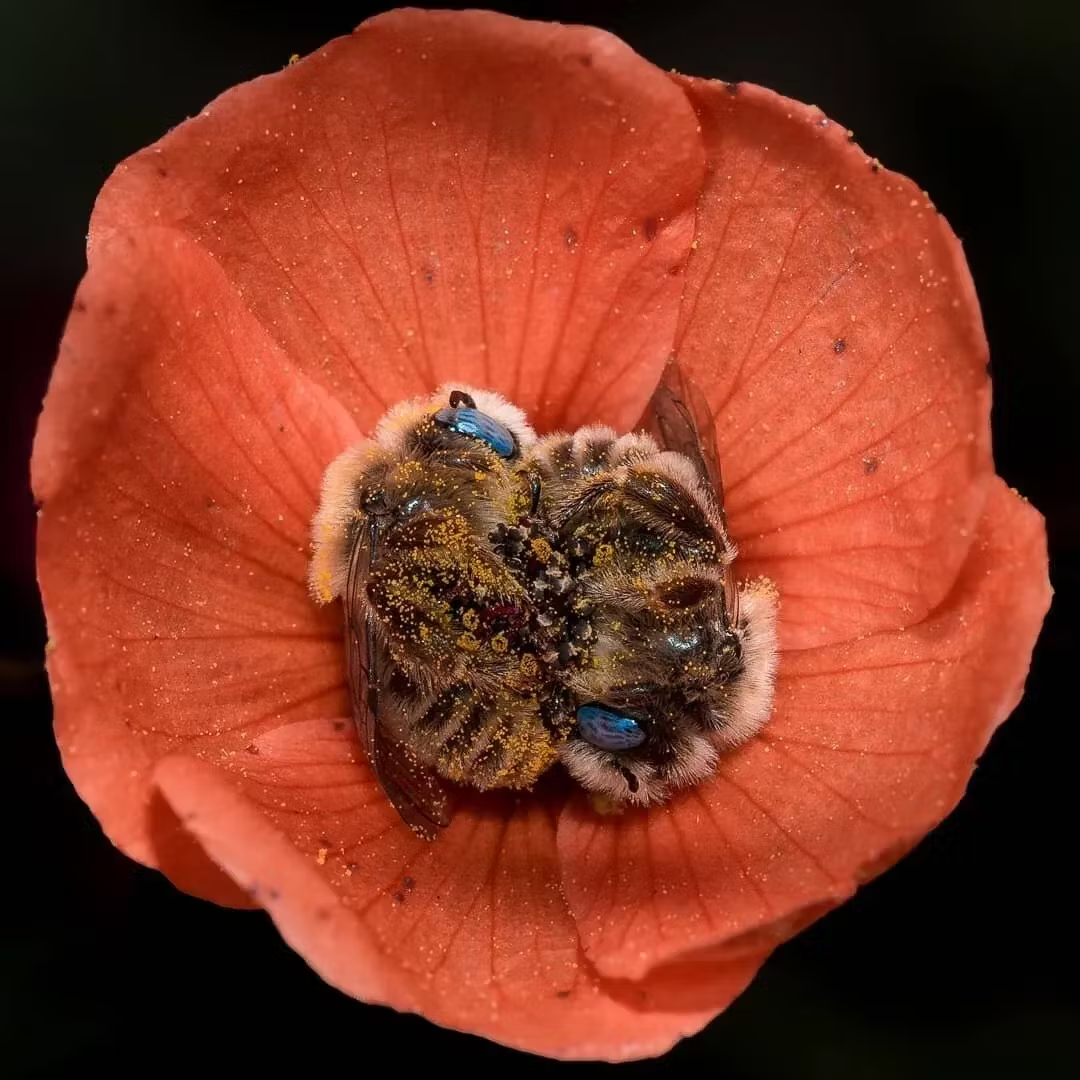
Females usually return to the nest, but they may also be forced to spend the night outside if they are caught by the cold or darkness. Males, on the other hand, can spend the night away from the colony. Thus, what looks like a bumblebee simply “asleep” on a flower is actually a small strategic pause: waiting for the sun so it can fly again.